
Understanding Sciatica and Disc Herniation
Sciatica is a condition that causes pain along the path of the sciatic nerve, which runs from the lower back through the hips and down each leg. The pain can range from mild discomfort to severe, radiating pain that interferes with daily activities.
One of the most common causes of sciatica is a slipped or herniated disc in the spine. This condition, medically known as Lumbar Disc Herniation, occurs when the soft inner portion of a spinal disc protrudes through the outer layer and presses against nearby nerves.
The sciatic nerve is the largest in the human body, and when it becomes compressed or irritated, symptoms may include:
- Sharp pain in the lower back or leg
- numbness or tingling in the leg or foot
- muscle weakness
- difficulty standing or walking for long periods
While modern medicine often focuses on medication or surgery in severe cases, traditional systems like Ayurveda offer holistic approaches that aim to reduce pain, improve mobility, and support spinal health without surgical intervention.
Why Sciatica Is Becoming More Common
Sciatica has become increasingly common due to lifestyle and occupational factors.
Many people spend long hours sitting at desks, using computers, or engaging in activities that place strain on the lower back. Poor posture, lack of physical activity, and obesity also increase the risk of spinal issues.
According to the National Institutes of Health, up to 40% of people may experience sciatica at some point in their lives, making it a widespread musculoskeletal condition.
Research published by the World Health Organization also highlights that lower back pain and related nerve conditions are among the leading causes of disability worldwide.
These statistics emphasize the need for preventive care and effective treatment approaches that address both symptoms and underlying causes.
Ayurvedic View of Sciatica and Nerve Pain
In Ayurvedic literature, sciatica is often associated with a condition called Gridhrasi. This condition is primarily linked to an imbalance in the Vata dosha, which governs movement, nerve impulses, and musculoskeletal function in the body.
When Vata becomes aggravated due to factors such as stress, aging, poor posture, or excessive physical strain, it may affect the nerves and joints.
Role of Vata Dosha
An aggravated Vata dosha may produce symptoms such as:
- sharp or shooting pain
- stiffness in the lower back
- numbness or tingling sensations
- restricted movement
Ayurvedic treatment strategies aim to calm aggravated Vata, improve circulation, and nourish affected tissues.
Ayurvedic Therapies for Non-Surgical Sciatica Management
Ayurveda offers several therapeutic approaches that may support pain relief and improve spinal mobility.
Herbal Oil Massage (Abhyanga)
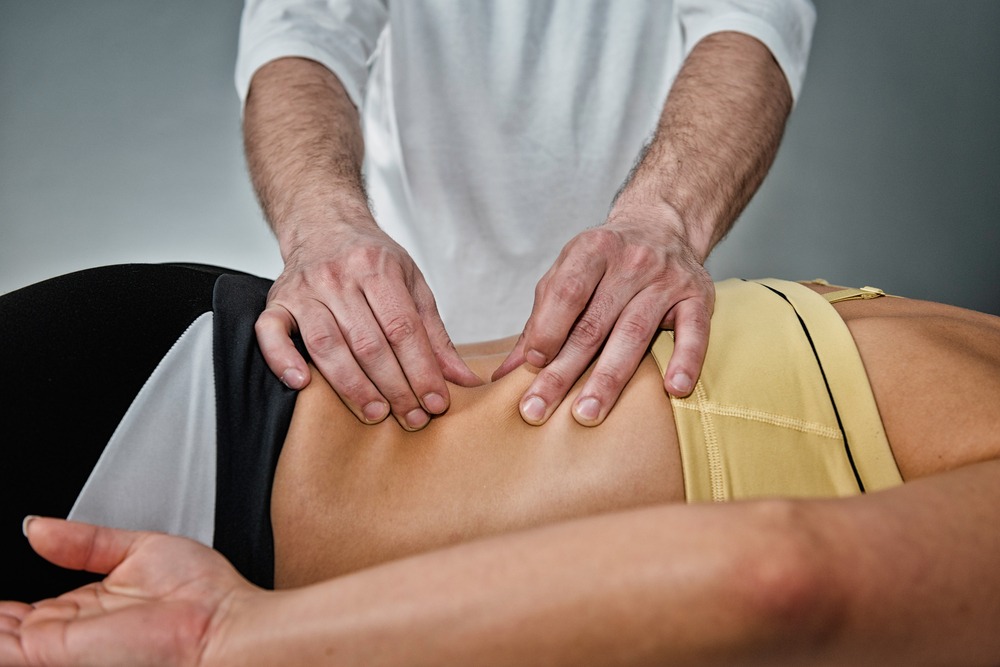
One of the most commonly recommended therapies is Abhyanga, a traditional Ayurvedic oil massage.
Warm medicated oils are applied to the body to improve circulation, reduce stiffness, and relax muscles surrounding the spine.
This therapy may help relieve tension in the lower back and improve nerve function.
Panchakarma Detox Therapies
Some Ayurvedic practitioners recommend detoxification procedures from the traditional therapy system known as Panchakarma.
These therapies aim to remove toxins from the body and restore dosha balance.
Common procedures for spinal conditions may include:
- herbal oil treatments
- medicated steam therapy
- cleansing therapies tailored to individual needs
Herbal Remedies for Nerve Support
Traditional Ayurvedic formulations often include herbs that are believed to support nerve health and reduce inflammation.
Some herbs referenced in Ayurvedic practice include:
- Ashwagandha
- Guggulu
- Shallaki
These herbs are traditionally used to support joint comfort and nerve function.
Therapeutic Yoga and Stretching
Gentle stretching and yoga practices may help improve spinal flexibility and strengthen muscles supporting the lower back.
One commonly recommended sequence is Surya Namaskar when performed under guidance and modified according to individual capability.
Physical movement also helps reduce stiffness and improves blood circulation around the spine.
Benefits of Non-Surgical Ayurvedic Approaches
Many individuals explore Ayurvedic therapies for sciatica due to their holistic nature.
Focus on Root Causes
Ayurvedic treatments aim to address the underlying imbalance rather than only masking symptoms.
Support for Natural Healing
Therapies such as massage, herbal remedies, and lifestyle adjustments support the body’s natural recovery processes.
Improved Mobility
Regular therapies and exercises may help restore flexibility and reduce stiffness in the spine.
Stress Reduction
Many Ayurvedic practices also promote relaxation, which may reduce muscle tension and nerve irritation.
Challenges and Limitations
Although Ayurvedic approaches may support recovery, several factors should be considered.
Severity of Disc Herniation
Severe cases of disc herniation that involve significant nerve compression may require medical or surgical treatment.
Gradual Recovery
Non-surgical treatments often take time and require consistent therapy and lifestyle adjustments.
Professional Guidance Is Important
Ayurvedic therapies should be administered by qualified practitioners to ensure safety and proper treatment.
Lifestyle Habits That Support Spinal Health
In addition to treatments, daily lifestyle habits play a crucial role in managing sciatica.
Maintain Good Posture
Proper posture reduces strain on the spine and helps prevent nerve compression.
Stay Physically Active
Regular movement helps maintain flexibility and strengthens muscles supporting the spine.
Avoid Prolonged Sitting
Taking frequent breaks from sitting helps reduce pressure on the lower back.
Maintain Healthy Body Weight
Excess body weight can place additional stress on spinal discs and joints.
Growing Interest in Integrative Pain Management
Many individuals today are exploring integrative approaches that combine conventional medical treatment with traditional healing practices.
Healthcare providers increasingly recognize the value of lifestyle-based therapies, physical rehabilitation, and complementary treatments for managing chronic pain.
Research continues to investigate how traditional systems like Ayurveda may support musculoskeletal health and pain management.
Conclusion
Sciatica caused by a disc herniation can significantly affect mobility and quality of life. While surgery may be necessary in severe cases, many individuals explore non-surgical approaches to manage symptoms and support recovery.
Ayurvedic therapies focus on restoring balance within the body, particularly by calming aggravated Vata dosha and improving circulation in the affected area.
Through a combination of therapeutic massage, herbal remedies, detox therapies, and supportive lifestyle habits, Ayurveda offers a holistic approach that may help individuals manage sciatica and improve spinal health over time.
With proper diagnosis and professional guidance, natural therapies can complement medical care and support long-term well-being.
FAQs
Sciatica is commonly caused by compression or irritation of the sciatic nerve, often due to disc herniation, spinal stenosis, or muscle tension in the lower back.
Many cases of sciatica improve with non-surgical treatments such as physical therapy, lifestyle changes, and pain management techniques.
Gridhrasi is the Ayurvedic term used to describe sciatica-like symptoms, including pain radiating from the lower back to the legs.
Recovery time varies depending on severity. Mild cases may improve within weeks, while chronic conditions may require longer treatment.
Gentle yoga and stretching exercises may help reduce stiffness, improve flexibility, and strengthen muscles supporting the spine when practiced safely.