
A Holistic Approach to Women’s Wellness
Hormonal balance plays an important role in a woman’s physical health, emotional well-being, menstrual regularity, fertility, metabolism, and overall quality of life. Changes in hormones can occur due to stress, irregular lifestyle habits, nutritional deficiencies, sleep disturbances, age-related changes, and certain health conditions.
Many women experience concerns such as irregular periods, mood fluctuations, unwanted weight changes, acne, fatigue, or symptoms related to conditions like PCOS and menopause. While modern diagnostic methods help identify hormonal concerns, Ayurveda focuses on understanding the deeper connection between the body, mind, digestion, and daily routine.
At Healing Earth Ayurveda Hospital, Bangalore, Ayurvedic principles are used to support women’s health through personalized care approaches that consider each woman’s unique needs and health patterns.
Understanding Hormonal Balance in Women
Hormones act as chemical messengers that regulate several important functions in the body, including:
- Menstrual cycles
- Ovulation and reproductive health
- Energy levels
- Sleep patterns
- Mood regulation
- Metabolism
When hormonal changes occur, women may notice physical or emotional symptoms that affect daily life.
Ayurveda views hormonal health through the balance of the body’s fundamental energies, digestive strength, tissue nourishment, and lifestyle habits. Instead of focusing only on symptoms, Ayurvedic care aims to understand the factors contributing to imbalance.
Common Signs of Hormonal Imbalance in Women
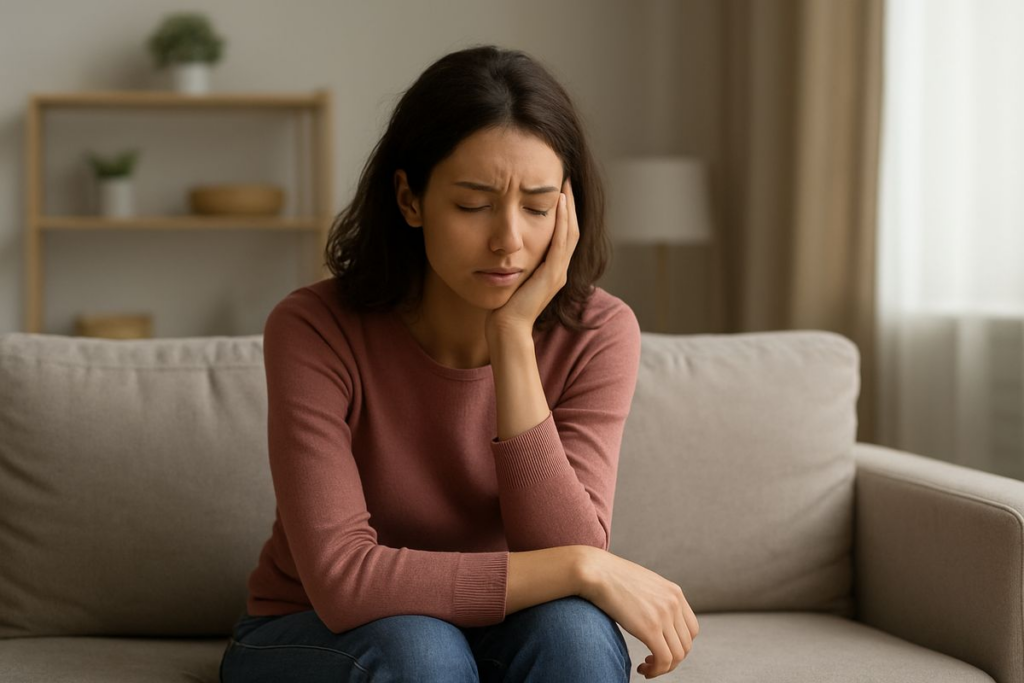
Hormonal changes can present differently from one person to another. Some commonly experienced signs include:
- Irregular or painful menstrual cycles
- Increased stress sensitivity
- Persistent fatigue
- Changes in weight without major lifestyle changes
- Skin concerns such as acne
- Hair thinning or excessive hair fall
- Sleep disturbances
- Mood changes
- Symptoms associated with menopause transition
These signs may have multiple causes, so proper assessment is important before choosing any treatment approach.
How Ayurveda Views Women’s Hormonal Health
Ayurveda considers women’s health as a combination of physical, mental, and emotional balance. Factors such as digestion, daily routine, food choices, stress levels, and sleep quality are considered important contributors.
An Ayurvedic assessment may focus on:
Individual Body Constitution (Prakriti)
Every person has a unique body constitution. Understanding this helps practitioners suggest suitable diet, lifestyle recommendations, and therapies.
Digestive Health (Agni)
Ayurveda emphasizes healthy digestion because proper nourishment of body tissues depends on efficient digestion and metabolism.
Stress and Mind-Body Connection
Chronic stress can influence sleep, energy, and overall wellness. Ayurveda includes practices that support relaxation and mental balance.
Key Points
Ayurvedic Lifestyle Practices That May Support Hormonal Wellness
- Maintain regular meal timings to support digestion
- Include balanced, nourishing foods suitable for individual needs
- Prioritize consistent sleep schedules
- Practice yoga and breathing exercises
- Manage daily stress through mindfulness techniques
- Avoid excessive processed foods and irregular eating habits
- Follow a routine that supports physical and mental stability
When to Take Action
Women should consider consulting a healthcare professional if they experience:
- Menstrual irregularities continuing for several months
- Severe period discomfort affecting daily activities
- Sudden changes in weight or energy levels
- Persistent hormonal-related symptoms
- Difficulty managing symptoms despite lifestyle improvements
A professional evaluation helps understand the underlying causes and provides appropriate guidance.
Women seeking Ayurvedic consultation for hormonal wellness in Bangalore can explore personalized care options at Healing Earth Ayurveda Hospital, HSR Layout.
How It Works
Ayurvedic evaluation generally involves understanding:
- Current health concerns and symptoms
- Menstrual history
- Food habits and lifestyle patterns
- Sleep quality and stress levels
- Digestive health
- Individual body constitution
Based on this assessment, an Ayurvedic practitioner may recommend personalized lifestyle modifications, dietary guidance, therapies, and wellness practices.
Ayurveda does not replace necessary medical diagnosis but can complement overall women’s healthcare when followed under professional guidance.
Treatment
Ayurvedic approaches for supporting women’s hormonal wellness may include:
Personalized Diet Guidance
Food recommendations are customized according to individual health needs. Nutrient-rich foods that support digestion and overall nourishment may be encouraged.
Ayurvedic Therapies
Certain Ayurvedic therapies may be suggested based on individual assessment to support relaxation, stress management, and overall wellness.
Yoga and Breathing Practices
Yoga-based practices can support flexibility, relaxation, and emotional well-being when performed consistently.
Lifestyle Corrections
Small daily changes, such as improving sleep habits, managing stress, and maintaining physical activity, can contribute to better health outcomes.
Case Example (Realistic, not exaggerated)
A 32-year-old woman from Bangalore visited with concerns about irregular menstrual cycles, fatigue, and increased stress due to a demanding work schedule. During consultation, her lifestyle habits, diet patterns, sleep routine, and overall health history were reviewed.
The focus was placed on improving daily routine, supporting digestion, introducing suitable lifestyle practices, and providing personalized Ayurvedic guidance. Over time, she reported better energy levels and improved consistency in following healthy habits.
Every individual responds differently, and Ayurvedic care is planned according to personal health requirements.
What You Can Do Now (Actionable Steps)
- Track your menstrual cycle and note any changes
- Maintain regular sleeping and eating patterns
- Include gentle physical activity in your routine
- Practice stress-relieving activities such as yoga or meditation
- Avoid self-medicating for hormonal concerns
- Consult an experienced healthcare professional for persistent symptoms
Why This Matters
Hormonal health influences many aspects of a woman’s life, from physical comfort to emotional well-being. Ignoring ongoing symptoms may affect overall wellness and quality of life.
A holistic approach that combines proper assessment, healthy lifestyle choices, and personalized care can help women better understand their bodies and make informed health decisions.
FAQs
1. Can Ayurveda help with hormonal imbalance in women?
Ayurveda focuses on supporting overall wellness by addressing lifestyle patterns, digestion, stress, and individual health needs. Ayurvedic care may be used as a supportive approach for women experiencing hormonal concerns.
2. Is Ayurvedic treatment useful for PCOS and menstrual irregularities?
Ayurvedic approaches for PCOS and menstrual health focus on personalized diet, lifestyle changes, and supportive therapies based on individual assessment.
3. How does Ayurveda support women’s reproductive health?
Ayurveda considers nutrition, digestion, stress management, and healthy routines important factors in supporting reproductive wellness.
4. Can Ayurveda help during menopause?
Ayurvedic wellness practices may help women manage lifestyle-related challenges during menopause by focusing on nutrition, relaxation, and personalized care.
5. Where can I consult for Ayurvedic women’s health care in Bangalore?
Women looking for Ayurvedic guidance for hormonal wellness can consult Healing Earth Ayurveda Hospital in HSR Layout, Bangalore, where care plans are personalized based on individual health needs.
Author Bio
Dr. Shabeena Deshmukh
The Ayurveda specialists at Healing Earth Ayurveda Hospital, Bangalore, provide personalized Ayurvedic care focused on women’s wellness, lifestyle balance, and holistic health. With an approach based on traditional Ayurvedic principles and individual assessment, the team supports patients in understanding their health concerns and making sustainable lifestyle improvements.