
Most of us carry stress in the body long after the stressful situation has ended. A difficult meeting finishes, a deadline passes, the phone finally goes quiet, yet the shoulders may remain tense. Add long working hours, constant notifications, screen time, poor sleep and little movement, and it can become difficult to shift from a state of activity into genuine rest.
Somatic yoga offers a gentle way to become more aware of these physical responses. Instead of focusing mainly on how far you can stretch or how perfectly you can hold a pose, it encourages you to notice your breathing, muscle tension, posture and physical sensations as you move.
For people looking for a practical approach to yoga for stress relief, somatic practices can be worth exploring. They combine slow movement, comfortable breathing and body awareness without making intensity or flexibility the goal.
What Is Somatic Yoga?
Somatic yoga combines slow, gentle movement with attention to how the body feels during each movement. Rather than trying to achieve a particular posture, the focus is on developing awareness of physical sensations and movement patterns.
During a somatic practice, you may pay attention to:
- Where muscles feel tight or guarded
- How your breathing changes as you move
- Areas of discomfort or stiffness
- Small changes in posture
- Whether a movement feels easy or effortful
- How your body feels before and after the practice
Because movements are performed slowly, you have more time to notice your body’s response. This makes body awareness exercises an important part of the practice.
Somatic yoga is therefore less about performance and more about mindful movement. You do not need advanced flexibility or previous yoga experience to begin with simple exercises.
How Somatic Yoga May Help With Stress Relief
Stress can affect both the mind and body. When you are under pressure, you may unconsciously tense your shoulders, clench your jaw, change your breathing pattern or hold tension in your back.
If these patterns continue regularly, physical discomfort can become part of your everyday routine.
Many forms of yoga for anxiety and stress use gentle movement, breathing and relaxation. Somatic yoga adds a strong emphasis on noticing physical sensations while moving.
For example, a conventional shoulder stretch may involve reaching and holding a position. A somatic approach may involve moving the shoulders slowly through a comfortable range while paying attention to changes in tension and ease.
This difference may seem small, but it changes the purpose of the exercise. Instead of simply completing a stretch, you are observing how your body responds.
Over time, this type of awareness may help you recognise physical signs of tension earlier and make mindful movement a regular part of your stress management techniques.
Somatic Yoga and Nervous System Support
The phrase nervous system regulation is widely used in wellness discussions, but it can sometimes make relaxation practices sound more powerful than they are.
The autonomic nervous system helps control involuntary functions such as heart rate, breathing and digestion. Stress can influence these functions, while slow breathing, gentle movement and rest may support a calmer physical state.
Somatic yoga brings several of these elements together through:
- Slow and mindful movement
- Comfortable, unforced breathing
- Attention to physical sensations
- Relaxation
- Reduced unnecessary muscular effort
- A gradual transition from activity to rest
This does not mean that a short yoga session can “reset” your nervous system or eliminate stress. Rather, these practices can serve as supportive tools for relaxation and everyday stress management.
What Does Somatic Movement Involve?
Somatic movement does not have to be complicated. Many exercises can be performed slowly and comfortably at home or during a short break from work.
Gentle Spinal Movement
Slowly moving the spine through a comfortable range can help you notice areas of stiffness and movement. The objective is not to force flexibility but to become more aware of how your back feels.
Shoulder Movement
Gentle shoulder rolls and slow arm movements can bring attention to the upper back, neck and shoulders. This can be particularly useful after spending several hours at a desk.
Pelvic Movement
Small pelvic tilts can help develop awareness of posture and movement around the lower back and hips. Keep the movement controlled and comfortable.
Slow Stretching
Instead of pushing into a deep stretch, move gradually and stop before discomfort develops. The emphasis is on sensation rather than reaching a specific range.
Yoga Breathing Exercises
Comfortable, unhurried breathing can help you slow down and focus your attention. Avoid forcing the breath or holding it for long periods unless you have been specifically instructed to do so.
These somatic yoga exercises can be adapted according to your comfort and physical ability.
A Simple Somatic Yoga Routine for Stress Relief
If you are new to somatic practices, begin with just 5 to 10 minutes.
1. Settle Into Comfortable Breathing
Sit or lie down in a comfortable position. Notice your natural breathing pattern for several breaths without trying to change it immediately. Then allow your breathing to become slower and easier if that feels comfortable.
2. Move the Shoulders
Gently lift your shoulders towards your ears and then allow them to relax down. Repeat several times while noticing whether the movement feels different with each repetition.
3. Add Gentle Neck Movement
Slowly turn your head from one side to the other. Stay within a comfortable range and avoid forcing the movement. If you experience pain, stop.
4. Try Slow Spinal Movement
Move between a slightly rounded back and a neutral position at a slow pace. Pay attention to the sensation of movement rather than trying to achieve a particular shape.
5. Finish With Quiet Breathing
Return to a comfortable sitting or lying position. Spend a couple of minutes noticing your breathing and how your body feels compared with how you felt when you started.
This short routine can work as one of your stress relief exercises during a busy workday.
Somatic Yoga for Anxiety and Stress
Stress and anxiety are related but are not the same thing.
Everyday stress is often connected to a specific situation, such as work pressure, financial concerns or an upcoming deadline. Anxiety can involve persistent or excessive worry that continues even when there is no immediate threat.
Gentle yoga, breathing practices and relaxation exercises may help some people manage stress and support relaxation. Somatic movement can be particularly appealing to people who prefer slower practices or find high-intensity exercise uncomfortable.
However, yoga is not a replacement for professional mental health care. If anxiety is persistent, severe or affecting your sleep, relationships, work or everyday activities, speak with a qualified healthcare professional. Appropriate treatment can vary from person to person.
Who Might Benefit From Somatic Yoga?
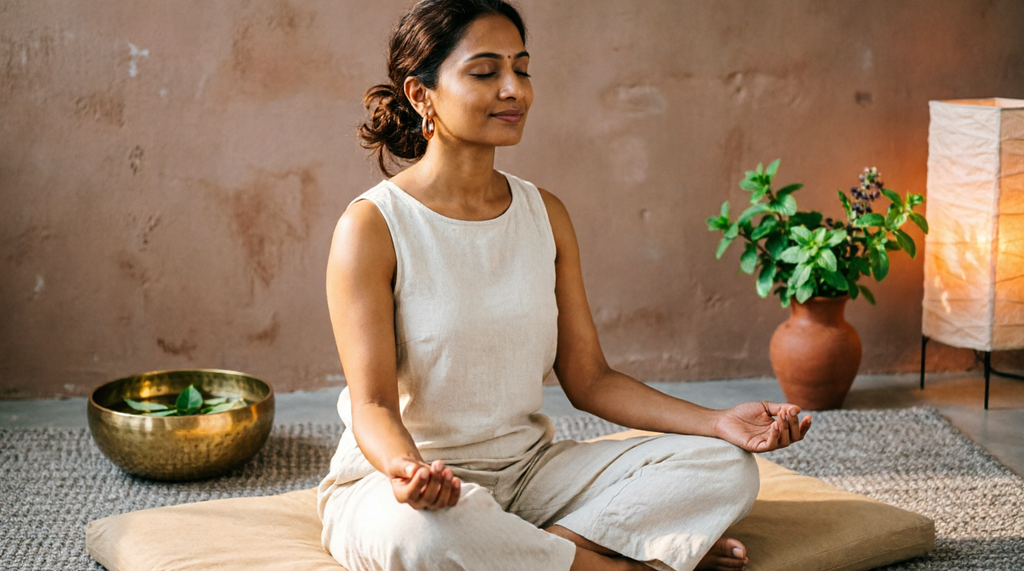
Somatic yoga can be suitable for adults who want gentle movement, relaxation and greater awareness of their physical responses to stress.
It may be particularly appealing if you:
- Spend most of the day sitting at a desk
- Experience regular work-related stress
- Feel physically tense after long periods of screen use
- Prefer low-intensity movement
- Want to develop better body awareness
- Find fast-paced exercise difficult to maintain
- Want simple relaxation exercises that fit into your routine
You do not need to be flexible or experienced in yoga to try basic somatic movements.
Fitting Somatic Yoga Into a Bangalore Work Routine
Busy schedules, long working hours and daily commuting can make it difficult to set aside a full hour for exercise. Short movement sessions can be easier to maintain.
A few minutes of gentle yoga for stress during the workday can provide a break from prolonged sitting. An evening practice may also help create a transition between work and personal time.
For people looking for Yoga and Naturopathy in Bangalore, structured guidance can help them understand how movement, breathing, relaxation and lifestyle habits can fit into their routine.
Those living around HSR Layout may also explore Yoga Therapy in HSR Layout or Yoga and Naturopathy in HSR Layout with appropriately qualified practitioners.
The goal should be consistency rather than trying to complete an intense session every day. Even a short, manageable practice can be easier to sustain over time.
How Often Should You Practise Somatic Yoga?
There is no single schedule that works for everyone.
If you are a beginner, starting with 5 to 10 minutes may be practical. You can gradually increase the duration if the practice feels comfortable and fits your routine.
You could try:
- A short morning practice
- Movement breaks during work
- Gentle yoga in the evening
- Breathing exercises before bedtime
- A longer guided session once or twice a week
Regular short sessions may be easier to maintain than occasional long sessions.
If a movement causes pain, stop rather than trying to push through it. If you have an injury, medical condition or other health concern, seek appropriate professional guidance before starting a new exercise routine.
Somatic Yoga vs Traditional Yoga
Somatic yoga and traditional yoga can overlap, and the exact approach varies considerably between yoga styles and teachers.
| Somatic Yoga | Traditional Yoga |
| Strong emphasis on internal body awareness | May include posture, breathing, meditation and other practices |
| Slow, mindful movement is common | Intensity varies between different styles |
| Focuses strongly on how movement feels | May place greater emphasis on posture, sequence or technique |
| Movements are generally kept within a comfortable range | Some styles can involve physically demanding postures |
| Basic movements can be adapted for beginners | Requirements vary according to the tradition and style |
Neither approach needs to be treated as universally better. A suitable practice depends on your goals, physical condition, experience and personal preferences.
When to Seek Professional Help
Some level of stress is a normal part of life. However, ongoing or severe symptoms deserve attention.
Consider speaking with a qualified healthcare professional if you experience:
- Persistent anxiety or excessive worry
- Significant or ongoing sleep problems
- Physical symptoms that do not improve
- Difficulty functioning at work or home
- Symptoms that are becoming worse
- Emotional distress that is difficult to manage
You should also seek appropriate advice before beginning a new exercise programme if you have an injury, significant medical condition, pregnancy-related concerns or another health limitation.
Frequently Asked Questions
Is Somatic Yoga Good for Stress Relief?
Somatic yoga combines gentle movement, breathing and body awareness, which may support relaxation and everyday stress management. It can be used as one part of a broader healthy lifestyle rather than as a standalone treatment for stress-related conditions.
Can Beginners Do Somatic Yoga?
Yes. Many basic somatic movements are gentle and can be modified according to your comfort level. You do not need advanced flexibility or previous yoga experience to begin.
How Long Should I Practise Somatic Yoga?
Beginners can start with around 5 to 10 minutes and gradually increase the duration if comfortable. A short practice that you can follow consistently may be more practical than an occasional long session.
Is Somatic Yoga the Same as Meditation?
No. Somatic yoga generally combines mindful physical movement with attention to bodily sensations. Meditation may involve stillness and attention to thoughts, sensations or breathing. They can also be practised together.
Can Somatic Yoga Help With Anxiety?
Gentle yoga, breathing and relaxation practices may support relaxation and stress management for some people. However, somatic yoga should not replace professional treatment for an anxiety disorder. Persistent or severe anxiety should be discussed with a qualified mental health or healthcare professional.
Conclusion
Somatic yoga provides a gentle approach to movement, breathing and body awareness. Instead of focusing primarily on flexibility, intensity or performance, it encourages you to slow down and notice how your body feels.
For people dealing with work pressure, prolonged sitting or everyday physical tension, short sessions of mindful movement and breathing can become a practical part of a stress-management routine. Consistency is often more realistic than trying to fit a long session into an already busy schedule.
For those looking for Yoga for Stress Relief in Bangalore, Healing Earth Ayurveda Hospital in HSR Layout offers yoga and naturopathy approaches that can be considered alongside broader lifestyle practices and professional guidance. The aim is to develop sustainable habits that support physical and mental wellbeing.
Medical Disclaimer
This article is intended for general educational purposes only and does not replace professional medical advice, diagnosis or treatment. Yoga and naturopathy practices may not be suitable for everyone. Individuals with existing medical conditions, injuries, pregnancy-related concerns or persistent psychological symptoms should consult an appropriately qualified healthcare professional before beginning a new practice.