
Medically Reviewed by Dr. Farida Khanum, BAMS, MD
Chief Medical Officer, Healing Earth Multi-Specialty Ayurveda Hospital
Head of the Department of Orthopaedic and Neurological Disorders
About Dr. Farida Khanum
Dr. Farida Khanum is the Chief Medical Officer and Head of the Department of Orthopaedic and Neurological Disorders at Healing Earth Multi-Specialty Ayurveda Hospital, Bangalore. She has more than 15 years of experience in Ayurvedic practice.
She completed her Bachelor of Ayurveda Medicine and Surgery (BAMS) from SDM College of Ayurveda, Hassan, followed by her postgraduate studies at Government Ayurveda Medical College, Bangalore.
Her clinical practice includes chronic osteoarthritis, rheumatological conditions, neck and spine disorders, gout, ankylosing spondylitis, avascular necrosis, fibromyalgia, rehabilitation, tendinitis and carpal tunnel syndrome. She also manages neurological conditions including migraine, vertigo, diabetic neuropathy, Parkinson’s disease, dementia, stroke, multiple sclerosis and neuromyelitis optica.
Dr. Farida uses Nadi Pareeksha (pulse assessment) along with clinical evaluation to understand the patient’s condition before developing an individualized Ayurvedic treatment plan.
What Is Panchakarma for Joint Pain?
Panchakarma for joint pain is an individualized Ayurvedic approach that may combine selected Panchakarma procedures, external therapies, medicines, diet and lifestyle guidance. It may be considered for people experiencing chronic joint pain, stiffness and restricted movement after an appropriate assessment.
Panchakarma is not a single treatment. It consists of classical Ayurvedic procedures that are selected according to the individual’s health, symptoms, age, strength and treatment requirements.
People looking for natural relief for joint pain may consider Ayurvedic care when symptoms are persistent. However, the appropriate treatment depends on the underlying condition. A physician should assess the patient before recommending Panchakarma.
How Ayurveda Approaches Joint Pain
Ayurveda considers joint health in relation to factors such as Dosha balance, digestion, lifestyle, diet and tissue health.
Different types of joint disorders may present with different symptoms. Osteoarthritis, rheumatoid arthritis and gout require different approaches, both in modern medicine and in Ayurvedic practice.
Ayurveda traditionally describes certain patterns using terms such as Sandhivata, Aamavata and Vatarakta. These traditional concepts should be understood within the Ayurvedic system of diagnosis and treatment.
Persistent pain, swelling or stiffness should still be medically evaluated to establish an appropriate diagnosis.
Which Joint Conditions May Be Considered for Ayurvedic Treatment?
An Ayurvedic arthritis treatment plan is developed according to the patient’s condition rather than using the same therapy for every type of arthritis.
Osteoarthritis
Osteoarthritis can cause joint pain, stiffness and difficulty with movement, particularly in weight-bearing joints such as the knees.
An osteoarthritis Ayurveda treatment plan may include selected external therapies, Panchakarma procedures, medicines, exercise and lifestyle recommendations following an individual assessment.
Rheumatoid Arthritis
Rheumatoid arthritis is an autoimmune condition that requires appropriate medical monitoring.
In Ayurveda, rheumatoid arthritis is traditionally discussed in relation to Aamavata. Ayurvedic treatment may be considered as supportive care, but it should not replace necessary medical treatment or prescribed medicines.
Gout
Gout can cause sudden episodes of severe joint pain and inflammation and is associated with elevated uric acid levels.
The Ayurvedic term Vatarakta is traditionally associated with certain patterns involving Vata and Rakta. People with gout should continue appropriate medical monitoring while discussing Ayurvedic treatment with a qualified physician.
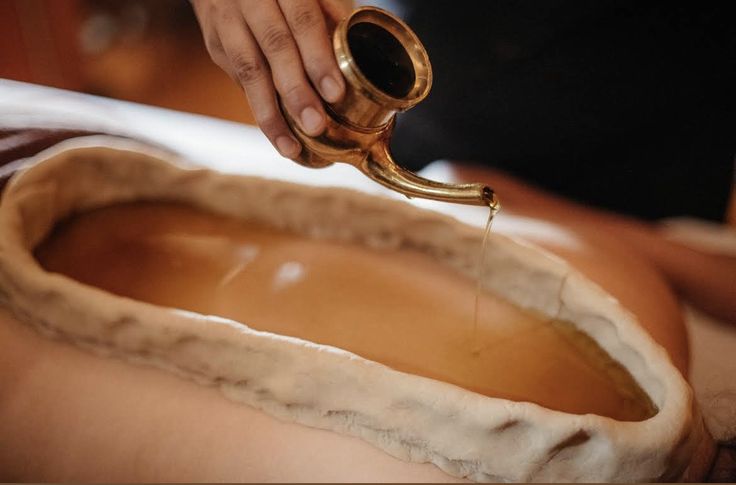
Ayurvedic Therapies Used for Joint Pain
The therapies used during an Ayurvedic treatment programme depend on the patient’s condition and the physician’s assessment.
Sarvanga Dhanyamla Dhara
Sarvanga Dhanyamla Dhara is a traditional Ayurvedic therapy in which a warm herbal liquid is poured over the body in a controlled manner.
It may be included in selected treatment plans for people experiencing stiffness and musculoskeletal discomfort. The procedure, duration and temperature are determined according to the patient’s condition.
Sarvanga Patra Pinda Sweda
Sarvanga Patra Pinda Sweda is a traditional Ayurvedic fomentation therapy using heated herbal boluses.
It may be used as part of an individualized approach for selected joint and muscle conditions. The treatment should be performed by trained therapists under professional supervision.
Vaitharana Basti
Vaitharana Basti is a specialized Ayurvedic Basti procedure using a traditionally prepared medicinal formulation.
Basti therapies are selected according to the individual’s condition, strength, digestive status and other clinical factors. Vaitharana Basti should only be administered under the supervision of a qualified Ayurvedic physician.
Yogavasti
Yogavasti refers to a planned course of Basti therapy involving different types of Basti according to an individualized treatment approach.
The schedule and medicines used are determined by the physician. It is not automatically suitable for everyone experiencing arthritis or joint pain.
What to Expect During Panchakarma
Panchakarma begins with an Ayurvedic consultation rather than immediately starting a procedure.
The physician may review:
- Location and duration of joint pain
- Morning stiffness
- Swelling and tenderness
- Range of movement
- Previous injuries
- Existing health conditions
- Current medicines
- Diet and lifestyle
- Previous treatments
- Relevant medical reports
An Ayurvedic assessment, including Nadi Pareeksha, may also be performed.
Based on this assessment, the physician determines whether Panchakarma is appropriate and which therapies may be included.
During treatment, patients may receive selected external therapies, Basti procedures or other Ayurvedic procedures. Diet, rest and lifestyle recommendations may also form part of the programme.
What Is Morning Stiffness in Joint Pain?
Morning stiffness joint pain can occur in several musculoskeletal conditions.
Some people notice stiffness after waking that gradually improves with movement. Prolonged morning stiffness, particularly when accompanied by swelling or multiple painful joints, may require further medical evaluation.
The duration and pattern of stiffness can provide useful information during a clinical assessment and help the physician understand the patient’s condition.
Is Panchakarma Safe for Elderly Patients?
The question “is Ayurvedic arthritis treatment safe for elderly” patients depends on their individual health.
Older adults may have conditions such as diabetes, hypertension, heart disease or kidney problems and may also take multiple medicines. These factors can influence whether particular Ayurvedic therapies are appropriate.
A physician should assess the patient’s age, physical strength, medical history and current medicines before recommending Panchakarma.
Treatment may be modified or avoided when necessary.
Panchakarma Contraindications and Safety
Panchakarma contraindications vary according to the specific procedure and the patient’s health.
Certain acute illnesses, severe weakness, dehydration and other medical conditions may make some procedures unsuitable.
Pregnancy also requires particular caution. Ayurvedic treatment during pregnancy should only be undertaken with appropriate professional guidance, and Panchakarma procedures should not be started without medical assessment.
Patients should inform their Ayurvedic physician about all prescription medicines, supplements and existing medical conditions before treatment.
How Long Does Panchakarma for Arthritis Take?
There is no fixed duration for Panchakarma for arthritis.
The treatment period may vary depending on the individual’s condition, treatment goals and response. Some programmes may last several days, while selected patients may undergo a 21-day Ayurvedic detox program.
A longer programme is not automatically more effective. The physician should determine the duration based on individual assessment.
Can Panchakarma Replace Arthritis Medicines?
Panchakarma should not automatically be considered a replacement for prescribed arthritis medicines.
Conditions such as rheumatoid arthritis may require ongoing medical treatment to control inflammation and prevent complications. Patients should not stop or change prescribed medicines without consulting their treating doctor.
Ayurvedic treatment may be considered as complementary care when appropriate and when coordinated with necessary medical management.
When Should You See a Doctor for Joint Pain?
Consult a healthcare professional if joint pain:
- Persists for several weeks
- Interferes with daily activities
- Causes significant morning stiffness
- Is associated with recurrent swelling
- Limits joint movement
- Develops after an injury
- Occurs with fever
- Is accompanied by numbness or weakness
- Makes walking difficult
Sudden severe pain, significant injury, sudden weakness or loss of sensation requires prompt medical evaluation.
Why Choose Individualized Ayurvedic Arthritis Treatment?
There is no single Ayurvedic treatment that suits every person with joint pain.
At Healing Earth Multi-Specialty Ayurveda Hospital, Dr. Farida Khanum follows an individualized approach that combines clinical assessment with Ayurvedic evaluation before recommending treatment.
Her experience covers a wide range of orthopaedic conditions, including osteoarthritis, rheumatological disorders, gout, neck and spine conditions, ankylosing spondylitis, avascular necrosis, fibromyalgia, rehabilitation, tendinitis and carpal tunnel syndrome.
This experience is also relevant when musculoskeletal symptoms occur alongside neurological complaints such as numbness, weakness, altered sensation or movement difficulties.
Choosing an Ayurvedic Clinic for Arthritis in Bangalore
If you are searching for the best Ayurvedic clinic for arthritis, consider factors such as physician experience, individual assessment, qualified therapy staff, treatment safety and follow-up care.
Healing Earth Multi-Specialty Ayurveda Hospital provides Ayurvedic consultation and treatment for orthopaedic and neurological conditions in Bangalore.
Patients searching for an Ayurveda clinic HSR Layout can consult the hospital regarding chronic joint pain, arthritis and related musculoskeletal conditions.
The priority should be an appropriate diagnosis and a personalized Ayurveda treatment plan, rather than choosing treatment based only on a fixed therapy package.
Frequently Asked Questions
Is Panchakarma good for arthritis?
Panchakarma may be considered as part of an individualized Ayurvedic treatment plan for selected people with arthritis. The appropriate procedures depend on the person’s condition and overall health.
Which Ayurvedic therapies are used for joint pain?
Depending on the individual assessment, therapies such as Sarvanga Dhanyamla Dhara, Sarvanga Patra Pinda Sweda, Vaitharana Basti and Yogavasti may be considered.
Can Ayurveda provide natural relief for joint pain?
Ayurvedic treatment may support joint comfort and mobility in selected patients. Results vary, and treatment should be based on individual assessment.
Is Panchakarma safe for elderly patients?
Panchakarma may be suitable for some older adults but requires careful assessment because age, existing health conditions and medicines can affect treatment decisions.
Can I undergo Panchakarma during pregnancy?
Panchakarma should not be undertaken during pregnancy without appropriate professional guidance. Some procedures may not be suitable during pregnancy.
How long does Panchakarma treatment take?
The duration varies according to the patient’s condition and treatment plan. Some programmes may extend to several weeks, including selected 21-day programmes.
Book an Ayurvedic Consultation for Joint Pain
Persistent joint pain should be evaluated before starting treatment.
At Healing Earth Multi-Specialty Ayurveda Hospital, Bangalore, Dr. Farida Khanum and the medical team assess each patient before recommending Panchakarma or other Ayurvedic therapies.
If you are looking for Ayurvedic arthritis treatment Bangalore or want to know whether Panchakarma is appropriate for your condition, you can book Ayurvedic consultation with the Ayurvedic medical team.
The goal is to develop a personalized Ayurveda treatment plan based on your symptoms, health status and individual treatment requirements.
Book an Ayurvedic Consultation
Medical Disclaimer
This article is intended for general educational purposes and does not replace professional medical advice, diagnosis or treatment.
Panchakarma and other Ayurvedic therapies should be recommended after an appropriate individual assessment. People with chronic diseases, pregnancy, recent surgery, acute illness or ongoing prescription medicines should inform their healthcare providers before beginning treatment.
Do not stop or change prescribed medicines without consulting your treating doctor.
Healing Earth Multi-Specialty Ayurveda Hospital
Healing Earth (Prithvi Healthcare Pvt. Ltd.)
No. 149, 5th Sector, HSR Layout, HSR Ring Road, Bengaluru 560034, Karnataka, India
Phone: +91 78999 03943
Website: https://healingearth.co.in/
View Healing Earth on Google Business Profile