
Medically reviewed by: Dr. Farida Khanum, BAMS, MD, Chief Medical Officer and Head of Orthopaedic and Neurological Disorders, and Dr. Rijju P K, BAMS, MD (Manasroga), Consultant, Healing Earth Ayurveda Hospital, HSR Layout, Bangalore.
Most people think of Panchakarma as a set of therapies: oil massages, steam, medicated purgation and enemas. Food gets far less attention, yet it decides how well your body responds. A thoughtful Panchakarma diet prepares your digestion for detox, supports the body during treatment and helps you recover gently afterwards.
If you are planning treatment, you may be asking, what should I eat before Panchakarma treatment, and what happens to my diet once it is over? This guide answers that in plain language, based on how Ayurvedic doctors guide patients at Healing Earth, our Ayurveda hospital in HSR Layout, Bangalore.
Why Food Matters So Much in Panchakarma
In Ayurveda, digestion (agni) is the centre of good health. When agni is weak, food is not fully processed and leftover waste, called ama, builds up in the body. Panchakarma is designed to loosen and remove this accumulated waste.
If you start a Panchakarma therapy with a heavy, irregular diet, the body has to deal with fresh waste while trying to clear the old. That is why the Ayurvedic diet around treatment is not a side note. It is part of the therapy itself.
A typical Panchakarma programme has three stages:
- Purvakarma (preparation): oil therapies and light food to loosen toxins.
- Pradhanakarma (main cleansing): procedures such as Vamana, Virechana, Basti, Nasya or Raktamokshana, chosen for your condition.
- Paschatkarma (after-care): a graded diet and lifestyle plan that rebuilds digestion and strength.
Food guidance changes at each stage.
Diet Before Panchakarma Treatment
The aim of the diet before Panchakarma treatment is simple: make digestion light and easy so the body is ready to let go of toxins. Your doctor will usually ask you to follow this for three to seven days before admission, depending on your constitution and the therapy planned.
Foods to eat before Panchakarma
- Warm, freshly cooked meals. Soups, thin dals and well-cooked vegetables are easy on the stomach.
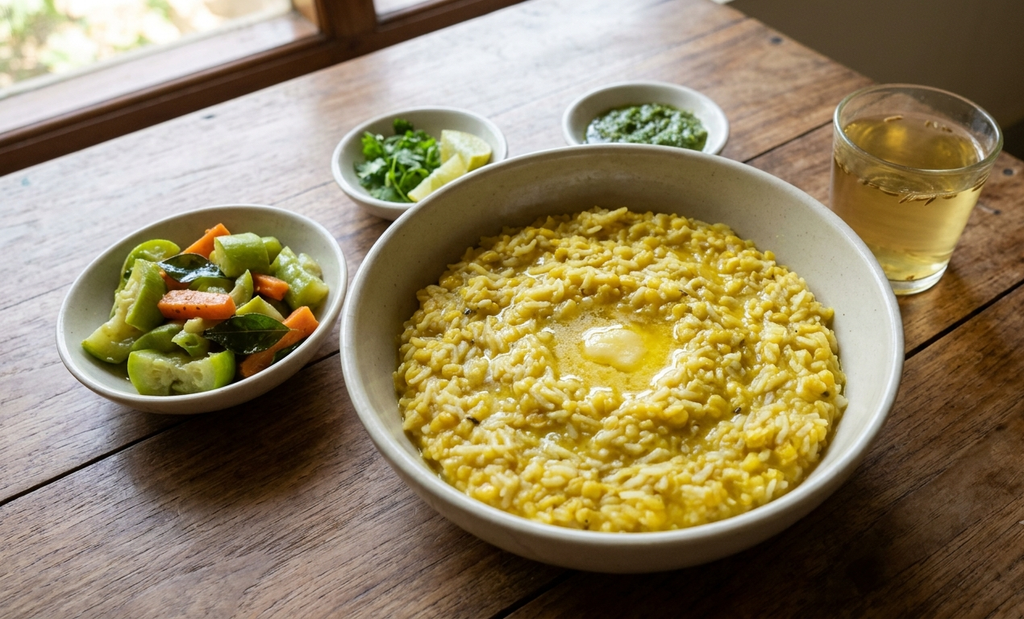
- Rice gruel and kitchari. Moong dal and rice cooked together with a little ghee is the classic light meal.
- Cooked seasonal vegetables. Bottle gourd, ridge gourd, pumpkin, carrot and beetroot work well.
- Warm water or cumin-coriander-fennel water. This keeps digestion active through the day.
- A small amount of good-quality ghee. In many protocols, ghee is taken in gradually increasing doses under medical supervision as part of internal oleation.
What foods should I avoid before Panchakarma?
- Fried, oily and very spicy food
- Cold drinks, ice cream and refrigerated leftovers
- Red meat, fish, eggs and heavy non-vegetarian dishes
- Bakery items, refined flour, packaged snacks and sweets
- Excess curd, cheese and other heavy dairy
- Alcohol and smoking
Can I drink coffee before Panchakarma treatment?
It is best to cut down, and ideally stop, a few days before you begin. Coffee and strong tea are stimulating and can disturb sleep and digestion, which the body needs to be steady before cleansing. If you drink several cups a day, taper slowly rather than stopping abruptly, so you do not get withdrawal headaches. Your doctor can advise you based on your routine.
How to prepare your body for Panchakarma treatment
Beyond food, a few habits help:
- Eat at fixed times and avoid late dinners.
- Sleep early and avoid daytime naps.
- Reduce screen time and stress where you can.
- Share all your medicines and medical history with the doctor during your consultation.
If you are unsure how to start, a short Ayurvedic diet consultation in Bangalore with our doctors can give you a plan that fits your body type and health condition.
What to Eat During Panchakarma Treatment
During the main therapies, your diet is usually very simple and is planned by the doctor and the hospital kitchen. Expect light, warm and freshly prepared meals such as rice gruel, kitchari, moong soup and boiled vegetables. Some procedures, like Virechana and Vamana, involve a short period of fasting or very restricted food on the day of treatment, followed by a gradual return to meals.
What matters most is following the schedule exactly. Eating outside food or adding favourite items on your own can interfere with the therapy and may cause discomfort. If you feel hungry, nauseous or weak at any point, tell your therapist or doctor right away.
During this stage, you will also be advised to drink warm water, avoid cold exposure and rest well. Therapies like Shirodhara and Abhyanga may be part of your plan, and a light stomach makes them far more comfortable.
Diet After Panchakarma Treatment
This stage is where many people slip. After a few days of cleansing, you may feel light and energetic and want to return straight to your usual food. But your digestion is still sensitive, and the right diet after Panchakarma treatment is what protects the benefit of the whole programme.
Ayurveda describes this as samsarjana krama, a step-by-step return to normal food, usually over three to seven days (sometimes longer after Vamana or Virechana).
A simple example of the Panchakarma recovery diet
| Stage | What you eat |
| First 1-2 days | Thin rice gruel (peya), clear moong dal water, warm water |
| Days 3-4 | Thicker gruel, soft rice with moong dal, lightly spiced vegetable soup |
| Days 5-7 | Regular soft meals, cooked vegetables, a little ghee, buttermilk if advised |
| After one week | Gradual return to normal food, keeping meals warm and fresh |
Your doctor will adjust the timeline based on the therapy you had and how your body responds.
Foods to eat after Panchakarma
- Kitchari, soft rice and moong dal
- Cooked seasonal vegetables with mild spices such as cumin, turmeric and ginger
- Warm soups and thin vegetable stews
- A little ghee for digestion and strength
- Warm water through the day
Foods to avoid after Panchakarma
- Cold, raw or leftover food
- Heavy, oily, fried or very spicy dishes
- Junk food, bakery items and sugary desserts
- Excess tea, coffee and carbonated drinks
- Alcohol and smoking
- Late-night meals and overeating
Can I eat fruits after Panchakarma treatment?
Yes, but not straight away and not all kinds. Start with a small portion of soft, ripe, seasonal fruit such as papaya or pomegranate once your digestion has settled, usually after the first few days. Avoid cold fruit, fruit straight from the fridge, and sour or very heavy fruits early on. Eat fruit on its own, away from heavy meals.
Can I eat normal food after Panchakarma?
Yes, but gradually. Jumping to your usual diet on day one can cause bloating, acidity or tiredness and undo the effort of treatment. Follow the recovery plan your doctor gives you and add regular dishes slowly.
How long should I follow a diet after Panchakarma?
The strict phase usually lasts as many days as the cleansing itself, often between one and two weeks. After that, a lighter, regular routine of warm, freshly cooked meals is worth keeping for the next few weeks. Many people continue the habits that helped them, such as eating at fixed times and having a lighter dinner.
Why a Doctor-Guided Panchakarma Diet Plan Works Better
Ayurvedic food advice is never one-size-fits-all. A diet that suits someone with a Vata imbalance may not suit a person with Pitta or Kapha dominance. Conditions such as diabetes, thyroid issues, arthritis or digestive problems also change what is safe to eat and how long to follow each stage.
At Healing Earth, a personalised Panchakarma diet plan is built after a full consultation. Our team of Ayurveda doctors examines your pulse, digestion and medical history before suggesting therapies and meals. For patients who also have conditions that need ongoing medical review, we coordinate with the general and internal medicine department so that treatment stays safe and supported.
If you are looking for Panchakarma treatment in Bangalore, it helps to choose a centre where therapy, diet and follow-up are managed together rather than as separate services. As an Ayurvedic hospital in HSR Layout, Bangalore, we offer Ayurvedic detox treatment in Bangalore with in-house meals, trained therapists and doctor reviews each day, so you do not have to plan your diet alone.
Common Mistakes to Avoid
- Starting a strict diet suddenly without medical advice
- Skipping the preparation phase and going straight to the main therapy
- Eating outside food during treatment
- Returning to heavy, spicy or fried food immediately after the programme
- Ignoring rest, sleep and hydration
- Treating Panchakarma as a one-time fix instead of a lifestyle reset
Final Thoughts
The benefits of Panchakarma do not come only from the therapies. What you eat before, during and after treatment shapes how deeply your body cleanses and how long the results last. A light preparation, a simple diet during therapy and a gentle, step-by-step recovery can make the difference between a routine experience and a truly restorative one.
If you would like personal guidance, our doctors are happy to help. Book a Panchakarma consultation in Bangalore at Healing Earth, HSR Layout and get a diet and therapy plan made for your body.
Learn more about our Panchakarma treatment programme, or Book Consultation with our doctors at Healing Earth, HSR Layout, Bangalore.
For general background on traditional systems of medicine, you can also read about Ayurveda on the Ministry of Ayush website and the World Health Organization’s page on traditional, complementary and integrative medicine.
About the Author
Dr. Preethikanth C S, BAMS, MD (Kayachikitsa) is a Kayachikitsa (Ayurvedic internal medicine) consultant at Healing Earth Ayurveda Hospital, HSR Layout, Bangalore. Kayachikitsa focuses on finding the root cause of a health concern, including digestion, metabolism and lifestyle factors, which helps when planning Panchakarma and the diet and aftercare that go with it. Dr. Preethikanth works with the therapy team to guide patients through the preparatory, main and post-treatment phases of Panchakarma.
Medical Disclaimer: This article is for general information only and is not a substitute for medical advice. Please consult a qualified Ayurvedic doctor before starting Panchakarma or changing your diet, especially if you have a medical condition or take regular medication.