
Introduction
Living with Polycystic Ovary Syndrome (PCOS) can be challenging. Irregular periods, unexplained weight gain, acne, excessive hair growth, mood swings, and fertility concerns often affect both physical and emotional well-being. While conventional treatments focus on symptom management, Ayurveda takes a deeper approach by identifying and addressing the root cause of hormonal imbalance.
At Healing Earth, we believe in holistic healing that restores balance naturally. Through personalized Ayurvedic medicine, dietary modifications, Panchakarma therapies, and lifestyle management, women can support hormonal health and improve their overall quality of life. Ayurveda views PCOS not merely as a reproductive disorder but as an imbalance affecting the entire body system.
What is PCOS?
Polycystic Ovary Syndrome (PCOS) is a common hormonal disorder affecting women of reproductive age. It occurs when the ovaries produce excess androgens (male hormones), disrupting normal ovulation and menstrual cycles.
Common Symptoms of PCOS
- Irregular or absent menstrual periods
- Weight gain, especially around the abdomen
- Acne and oily skin
- Excess facial or body hair growth (Hirsutism)
- Hair thinning or hair loss
- Difficulty conceiving
- Insulin resistance
- Fatigue and mood fluctuations
If left unmanaged, PCOS may increase the risk of diabetes, metabolic disorders, and fertility complications.
Ayurvedic Understanding of PCOS
Ayurveda does not describe PCOS as a single disease but interprets it through imbalances in the body’s Doshas—Vata, Pitta, and Kapha.
Kapha Imbalance
Excess Kapha may lead to:
- Weight gain
- Sluggish metabolism
- Formation of ovarian cysts
- Insulin resistance
Vata Imbalance
Disturbed Vata can cause:
- Irregular ovulation
- Menstrual irregularities
- Fertility challenges
Pitta Imbalance
Elevated Pitta often contributes to:
- Acne
- Inflammation
- Excessive body heat
- Hormonal disturbances
According to Ayurvedic principles, restoring doshic balance helps improve reproductive health and hormonal regulation naturally.
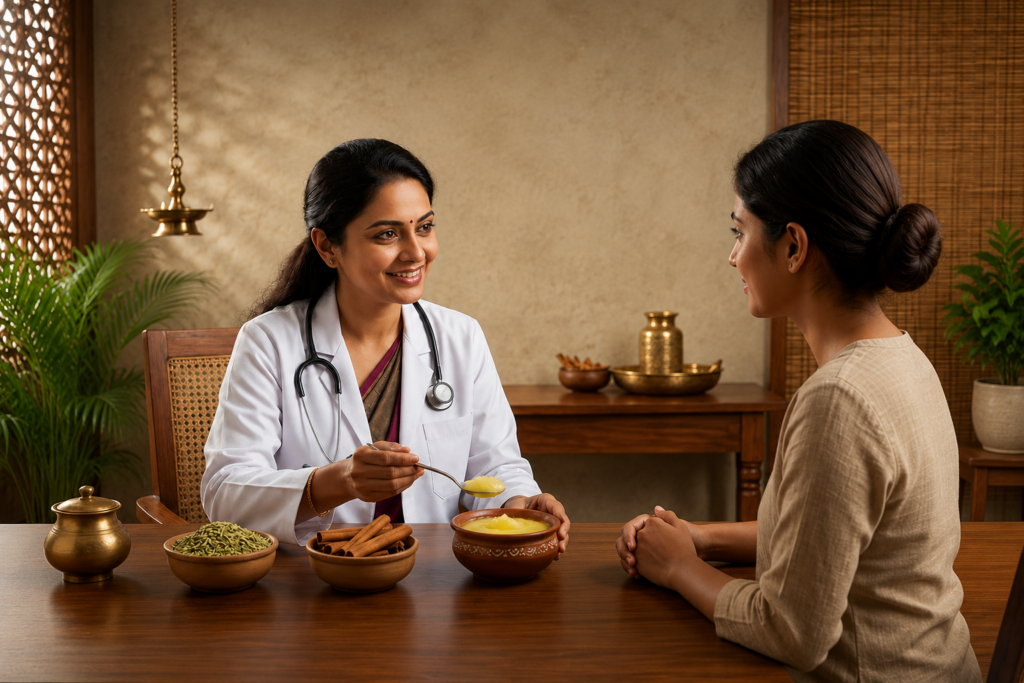
Shatavari: The Queen of Herbs for Women’s Health
Among Ayurvedic herbs, Shatavari is highly valued for supporting female reproductive wellness and hormonal balance.
Benefits of Shatavari for PCOS
Supports Hormonal Balance
Shatavari is traditionally used to nourish the female reproductive system and help maintain healthy hormone levels.
Promotes Regular Menstrual Cycles
By supporting endocrine function, Shatavari may help improve menstrual regularity.
Fertility Support
The herb is known for enhancing reproductive health and supporting women who are planning conception.
Reduces Stress
Chronic stress can worsen hormonal imbalances. Shatavari possesses adaptogenic properties that help the body cope with stress more effectively.
Supports Overall Women’s Wellness
It helps nourish tissues, improve vitality, and support long-term reproductive health.
Important: Shatavari should always be taken under the guidance of a qualified Ayurvedic physician to ensure proper dosage and suitability.
Ayurvedic Diet for PCOS
Diet plays a central role in Ayurvedic treatment for PCOS. Proper nutrition supports digestion, metabolism, hormone balance, and weight management.
Foods to Include
Fresh Vegetables
- Bitter gourd
- Bottle gourd
- Leafy greens
- Cucumber
- Carrot
- Beetroot
Whole Grains
- Millet
- Barley
- Brown rice
- Quinoa
Healthy Proteins
- Moong dal
- Lentils
- Chickpeas
- Sprouts
Healthy Fats
- Nuts
- Seeds
- Small quantities of ghee
Ayurvedic Spices
- Turmeric
- Cinnamon
- Fenugreek
- Cumin
- Ginger
These foods help improve metabolism and support healthy insulin response.
Foods to Avoid
- Refined sugar
- White flour products
- Deep-fried foods
- Processed snacks
- Sugary beverages
- Excess dairy products
- Packaged and preserved foods
Reducing these foods may help manage insulin resistance and prevent aggravation of Kapha imbalance.
Panchakarma for PCOS: Detoxification and Rejuvenation
Panchakarma is Ayurveda’s classical detoxification and cleansing therapy. It aims to remove accumulated toxins (Ama), improve metabolic function, and restore doshic balance.
How Panchakarma Helps in PCOS
Detoxification
Removes metabolic toxins that may contribute to hormonal dysfunction.
Improves Digestion and Metabolism
A healthy digestive system is considered essential for hormone regulation in Ayurveda.
Supports Weight Management
Certain Panchakarma therapies help improve metabolic efficiency and reduce excess Kapha.
Enhances Reproductive Health
Detoxification and tissue nourishment support ovarian and uterine health.
Common Panchakarma Therapies Used
- Abhyanga (Therapeutic Oil Massage)
- Swedana (Herbal Steam Therapy)
- Virechana (Therapeutic Purgation)
- Basti (Medicated Enema Therapy)
- Uttar Basti (Specialized Reproductive Health Therapy)
The choice of therapy depends on an individual’s constitution and clinical assessment by an Ayurvedic physician.
Lifestyle Management for PCOS
Ayurveda emphasizes that lasting healing requires sustainable lifestyle changes.
Practice Yoga Regularly
Certain yoga postures may help support reproductive and hormonal health:
- Baddha Konasana (Butterfly Pose)
- Bhujangasana (Cobra Pose)
- Setu Bandhasana (Bridge Pose)
- Surya Namaskar (Sun Salutation)
Manage Stress
Stress is a significant contributor to hormonal imbalance.
Helpful practices include:
- Meditation
- Deep breathing exercises
- Mindfulness techniques
- Adequate sleep
Maintain Daily Routine
Following a consistent routine for meals, sleep, and physical activity helps balance Vata and supports overall wellness.
Why Choose a Holistic Treatment Approach for PCOS?
Many conventional treatments focus primarily on managing symptoms. Ayurveda aims to address underlying imbalances that contribute to the condition.
Benefits of Holistic PCOS Treatment
✔ Addresses root causes rather than symptoms alone
✔ Supports hormonal balance naturally
✔ Improves menstrual regularity
✔ Enhances fertility potential
✔ Promotes healthy weight management
✔ Supports emotional well-being
✔ Encourages sustainable lifestyle habits
A holistic approach considers the interconnected nature of physical, mental, and reproductive health.
What Does Research Say?
Emerging research suggests that Ayurvedic interventions, including herbal formulations, dietary modifications, yoga, and lifestyle management, may positively influence hormonal balance, insulin sensitivity, and metabolic health in women with PCOS. However, more large-scale clinical studies are needed to establish standardized treatment protocols.
Ayurveda works best when integrated into a personalized treatment plan supervised by experienced practitioners.
When to Consult an Ayurvedic Practitioner
Every woman experiences PCOS differently. Factors such as age, body constitution, symptom severity, fertility goals, and metabolic health influence treatment recommendations.
Consulting a qualified Ayurvedic doctor helps ensure:
- Accurate dosha assessment
- Personalized herbal prescriptions
- Appropriate Panchakarma recommendations
- Safe integration with ongoing medical treatments
- Long-term monitoring and support
Conclusion
PCOS is more than a hormonal disorder—it reflects deeper imbalances in metabolism, digestion, stress response, and reproductive health. Ayurveda offers a comprehensive path toward healing through individualized treatment, herbal support like Shatavari, therapeutic detoxification with Panchakarma, balanced nutrition, and mindful lifestyle practices.
By addressing the root causes rather than merely suppressing symptoms, Ayurvedic treatment for PCOS empowers women to achieve better hormonal balance, improved fertility, healthier menstrual cycles, and enhanced overall well-being.
Begin Your Healing Journey with Ayurveda
At Healing Earth, our experienced Ayurvedic physicians provide personalized PCOS management programs designed to restore harmony, support reproductive health, and help you achieve lasting wellness.
Book your consultation today and take the first step toward natural hormonal balance.
FAQs
Can Ayurveda cure PCOS permanently?
Ayurveda focuses on managing the root causes of PCOS and improving hormonal balance. Results vary based on individual health conditions, lifestyle, and treatment adherence.
Is Shatavari good for PCOS?
Shatavari is widely used in Ayurveda to support hormonal balance, reproductive health, and menstrual wellness in women.
Which Panchakarma treatment is best for PCOS?
The most suitable Panchakarma therapy depends on your dosha imbalance and overall health. A qualified Ayurvedic physician can recommend the appropriate treatment.
What foods should be avoided in PCOS according to Ayurveda?
Refined sugar, processed foods, deep-fried items, sugary drinks, and excessive dairy are generally discouraged.
How long does Ayurvedic treatment for PCOS take?
Treatment duration varies based on symptom severity, hormonal imbalance, lifestyle factors, and individual response to therapy. Regular follow-ups are recommended.