
Diabetic foot care is essential because diabetes can reduce blood circulation and damage nerves, making even minor foot injuries difficult to notice and slow to heal. Regular foot checks, proper footwear, blood sugar management, and timely professional care can help prevent complications and support long-term foot health.
Introduction
Many people living with diabetes focus on controlling blood sugar but pay less attention to their feet. Unfortunately, the feet are often among the first areas affected by long-term diabetes.
Reduced sensation, slower healing, and poor circulation can turn a small cut, blister, or crack into a more serious problem if left untreated. Understanding diabetic foot care helps identify early warning signs before complications develop.
At Healing Earth in HSR Layout, Bangalore, diabetic foot care is approached with a combination of careful assessment, Ayurvedic principles, and evidence-informed wound management to support healthy feet while addressing the individual’s overall well-being.
Understanding Why Diabetes Affects the Feet
Diabetes can affect the body in several ways that increase the risk of foot problems.
Nerve Damage (Peripheral Neuropathy)
High blood sugar over time may damage the nerves, reducing the ability to feel pain, heat, or pressure. As a result, injuries may go unnoticed.
Reduced Blood Flow
Diabetes may narrow or damage blood vessels, limiting circulation to the feet. Less blood flow means slower healing and an increased risk of infection.
Increased Risk of Infection
Even a small injury can become infected more easily when diabetes is not well controlled, making prompt care especially important.
Early Signs That Need Attention
Recognizing symptoms early can prevent more complex problems later.
Watch for:
- Tingling or burning sensations
- Numbness in the feet or toes
- Dry, cracked skin
- Swelling around the foot or ankle
- Redness that does not improve
- Blisters from footwear
- Corns or calluses becoming painful
- Changes in skin colour
- Thickened or discoloured nails
- Cuts that are slow to heal
These symptoms should never be ignored, particularly if they continue for several days.
Everyday Habits That Protect Your Feet
Daily foot care plays an important role in reducing complications.
Inspect Your Feet Every Day
Look carefully for cuts, blisters, cracks, swelling, or colour changes. If needed, use a mirror to check the soles.
Wash and Dry Carefully
Clean your feet using lukewarm water and mild soap. Dry thoroughly, especially between the toes.
Moisturize Dry Skin
Apply moisturizer to prevent cracking, but avoid applying it between the toes where excess moisture may encourage fungal growth.
Choose Proper Footwear
Wear comfortable, well-fitting shoes with adequate cushioning. Avoid walking barefoot, even indoors.
Trim Nails Carefully
Cut toenails straight across and avoid trimming them too short to reduce the risk of ingrown nails.
How Ayurveda Looks at Diabetic Foot Care
Ayurveda considers diabetes (Madhumeha) as a condition that may gradually affect tissues, circulation, and healing capacity. Rather than focusing only on the affected foot, Ayurvedic management aims to improve overall balance while supporting local tissue health.
An Ayurvedic care plan may include:
Personalized Assessment
Each individual is assessed based on symptoms, circulation, skin condition, and overall health rather than using a one-size-fits-all approach.
Local Foot Therapies
Depending on the condition, therapies may focus on cleansing, nourishing tissues, improving local circulation, and supporting natural healing.
Herbal Formulations
Selected Ayurvedic herbs may be recommended to support metabolic balance, skin health, and tissue repair under professional supervision.
Lifestyle Guidance
Diet, physical activity, sleep, stress management, and regular monitoring are integrated into the overall care plan.
Key Points for Effective Diabetic Foot Care
- Check your feet every day.
- Keep blood sugar under control.
- Never ignore cuts or blisters.
- Wear properly fitting footwear.
- Maintain skin hydration.
- Avoid walking barefoot.
- Attend regular foot examinations.
- Seek professional care for wounds that do not improve.
When to Take Action
Consult a healthcare professional promptly if you notice:
- A wound that has not improved within a few days
- Increasing redness or swelling
- Pus or unusual discharge
- Blackened skin
- Persistent foot pain
- Fever associated with a foot wound
- Sudden loss of sensation
- Difficulty walking because of foot discomfort
Early intervention often helps prevent more serious complications.
How Diabetic Foot Assessment Works
A comprehensive diabetic foot evaluation may include:
Medical History
Reviewing diabetes duration, medications, previous ulcers, and overall health.
Foot Examination
Checking skin integrity, nail condition, deformities, pressure points, and circulation.
Sensation Testing
Assessing nerve function using simple clinical tools to identify reduced sensation.
Risk Classification
Based on findings, an individualized prevention and care plan is developed.
Ayurvedic Diabetic Foot Care: Practical Solutions
Management depends on the individual’s condition and overall health.
Possible approaches include:
- Regular wound assessment
- Professional foot cleaning where appropriate
- Ayurvedic external therapies for suitable patients
- Dietary recommendations supporting metabolic balance
- Guidance on footwear and pressure relief
- Ongoing monitoring to reduce recurrence
Treatment plans should always be personalized rather than self-prescribed.
Case Example
A 61-year-old man with type 2 diabetes noticed a small blister after wearing new shoes. Because he had reduced sensation in his feet, he ignored it for several days.
During evaluation, the blister showed early signs of delayed healing but no severe infection. After receiving appropriate wound care, footwear advice, blood sugar management support, and individualized Ayurvedic care alongside regular monitoring, the wound gradually healed over the following weeks without progressing into a major complication.
This example highlights the value of acting early rather than waiting for symptoms to worsen.
What You Can Do Now
- Examine your feet every evening.
- Keep your diabetes well managed.
- Replace worn-out footwear.
- Stay physically active as advised by your physician.
- Avoid home remedies on open wounds.
- Schedule routine diabetic foot assessments.
- Seek professional evaluation for any persistent foot changes.
If you are in HSR Layout, Bangalore, consulting an experienced diabetic foot care team early can help identify risks before they become serious.
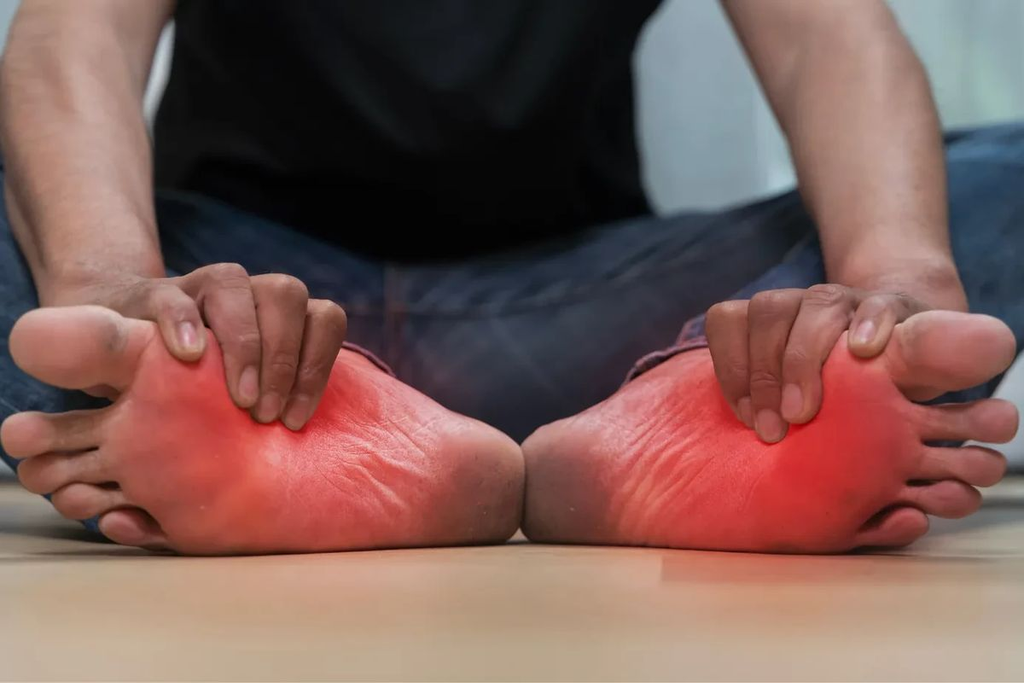
Why This Matters
Many diabetic foot complications develop gradually and often without pain because of reduced sensation. Fortunately, most serious problems begin as small, manageable changes that can be addressed through regular monitoring, healthy daily habits, and timely medical attention.
Combining evidence-based diabetic care with individualized Ayurvedic support may help improve comfort, support tissue health, and encourage better long-term foot care as part of a comprehensive diabetes management plan.
FAQs
1. Why is diabetic foot care important?
Diabetes can damage nerves and reduce blood circulation, increasing the risk of unnoticed injuries, delayed healing, and infections. Regular diabetic foot care helps identify problems early.
2. How often should people with diabetes inspect their feet?
Daily foot inspection is recommended to identify cuts, blisters, swelling, or skin changes before they become serious.
3. Can Ayurveda help in diabetic foot care?
Ayurveda may support diabetic foot care through personalized therapies, lifestyle guidance, and external treatments alongside appropriate medical management. It should complement, not replace, necessary medical care.
4. What footwear is best for diabetic feet?
Comfortable, properly fitted shoes with adequate cushioning and protection help reduce pressure points and minimize the risk of injury.
5. When should I seek medical attention for a diabetic foot wound?
Seek professional care if a wound shows redness, swelling, discharge, increasing pain, blackened skin, or fails to heal within a few days.
Author Bio
Dr. Sreelakshmi G., BAMS, MS (Ayurveda Surgery)
Ayurveda Surgery Specialist at Healing Earth, HSR Layout, Bangalore.
Dr. Sreelakshmi focuses on integrative Ayurvedic surgical care with an emphasis on chronic wound management, diabetic foot care, and preventive health. She believes that early assessment, personalized treatment, and patient education are key to preserving foot health and improving quality of life for individuals living with diabetes.