
If you often wake up with a blocked nose, struggle with sinus headaches, or feel mentally foggy by afternoon, nasya therapy may be worth a closer look. Nasya is one of the oldest cleansing practices in Ayurveda, and it works through a simple idea: the nose is the doorway to the head. In this guide, we explain what nasya therapy is, how nasya treatment is done, which conditions it supports, what it costs, and who should avoid it.
What Is Nasya Therapy in Ayurveda?
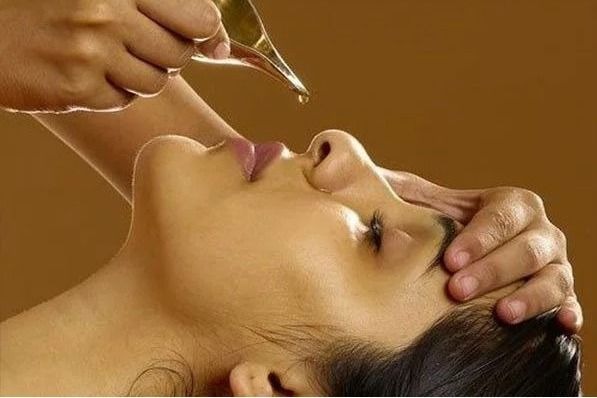
Nasya in Ayurveda is the practice of placing medicated oil, ghee, herbal powder or herbal juice into the nostrils under the guidance of an Ayurvedic doctor. The word nasya comes from the Sanskrit word for nose. Classical Ayurvedic texts describe it as a treatment for disorders of the head and neck, including the nose, eyes, ears and throat.
Nasya is one of the five cleansing procedures of Panchakarma treatment, which is why it is often called Nasya Panchakarma. The other traditional Panchakarma procedures include Vamana, Virechana, Vasti and Raktamokshana. Nasya is also used outside Panchakarma as a gentle daily routine, known as dinacharya, to keep the nasal passages comfortable. Daily use should be guided by a qualified Ayurvedic doctor.
Benefits of Nasya Therapy
People usually choose nasya treatment for relief from congestion and head-related complaints. Many patients report that regular sessions help with:
- Clearer nasal passages and easier breathing
- Less sinus pressure and fewer sinus headaches
- Relief from nasal dryness, especially in air-conditioned rooms or dry weather
- Better mental clarity, focus and relaxation
- Traditional support for the eyes, ears and throat
- General wellness support during seasonal changes
These are traditional uses, and individual results vary. Scientific evidence for many of these benefits remains limited. Your doctor will explain what is realistic for your condition after a proper consultation.
Conditions Where Nasya Treatment Is Commonly Advised
Sinusitis and allergies. Ayurvedic physicians may recommend nasya for chronic sinus symptoms, allergic rhinitis and nasal congestion. Treatment should be selected according to the cause and severity of your symptoms. At Healing Earth, you can consult the ENT and Ophthalmology department for an appropriate assessment and advice on suitable treatment options.
Migraine and tension headache. Nasya is a traditional Ayurvedic option for recurring headaches and migraines. It may be included in a broader treatment plan alongside other therapies, depending on the patient’s needs. Explore the Orthopaedic Neurology department for information about care for neurological and musculoskeletal concerns. Recurring or severe headaches require proper medical evaluation.
Stress, anxiety and insomnia. Some Ayurvedic practitioners include nasya in personalised wellness plans for stress and sleep concerns. Other therapies, such as Shiro Ksheera Dhara and Shiro Pichu, may also be considered when appropriate. You can consult the Psychiatry and Mental Health department if stress, anxiety or sleep problems persist.
Hair fall and early greying. Ayurveda may include nasya or other head-care therapies in selected treatment plans for hair and scalp concerns. The choice depends on the underlying cause, and evidence that nasya directly treats hair loss is limited. You can explore the Skin and Hair Care department for an assessment of hair fall and scalp problems. Shiro Abhyangam may be considered as part of an appropriate Ayurvedic care plan.
Types of Nasya
Nasya is classified according to its purpose and the materials used. The main types include:
Virechana or Shodhana Nasya (cleansing): Traditionally used to clear excess mucus and address certain head-related complaints.
Brimhana Nasya (nourishing): Uses preparations such as medicated oils or ghee and is traditionally intended to nourish tissues.
Shamana Nasya (soothing): Uses selected preparations to help address specific symptoms.
Marsha Nasya: A therapeutic form involving a prescribed quantity of medicated oil under professional supervision.
Pratimarsha Nasya: Uses a smaller quantity of preparation and may be recommended as part of a daily routine for selected individuals.
The type of nasya depends on your health, age, symptoms, season and the Ayurvedic doctor’s assessment. Nasya is not a one-size-fits-all treatment.
How Is Nasya Treatment Done? Step-by-Step Procedure
At an Ayurveda hospital, nasya should follow a supervised process based on the patient’s condition.
Assessment: The doctor reviews your symptoms, medical history and current medicines to determine whether nasya is appropriate.
Preparation: When indicated, the therapist may perform a gentle Abhyanga oil massage of the face, head, neck and shoulders. Mild herbal steam, known as Bashpa Sweda, may also be used when suitable.
Positioning: You are positioned comfortably, usually lying on your back with your head supported at an appropriate angle.
Administration: The prescribed medicated oil or other preparation is placed into each nostril in the quantity selected by the practitioner.
Gentle massage: The nose, forehead and surrounding areas may be massaged lightly according to the treatment protocol.
Rest: You rest for a short period, and any nasal discharge is cleared gently as instructed.
Aftercare: The practitioner explains which activities to avoid temporarily and how to care for your nasal passages after treatment.
A session’s duration varies according to the type of nasya and the accompanying therapies. Some treatment plans involve several consecutive days, while others follow a different schedule. Your doctor will determine the appropriate course.
Oils Commonly Used in Nasya
The choice of preparation depends on your symptoms and treatment plan. Commonly used Ayurvedic preparations include Anu Taila, Shadbindu Taila, Brahmi-based oils and Ksheerabala Taila.
These preparations are not interchangeable, and their suitability depends on the individual. Do not put essential oils, herbal juices or medicated oils into your nose without professional advice. Incorrect products or doses may cause irritation or other complications.
Nasya Treatment Cost in Bangalore
The cost of nasya therapy in Bangalore depends on your condition, the number of sessions required and whether it is combined with other treatments, such as Abhyanga or Swedana. A short outpatient treatment plan may cost less than a longer Panchakarma programme.
For current treatment options and pricing information, visit Healing Earth’s Ayurvedic treatments page. You can also explore the Panchakarma treatment page for information about the programme. Contact the hospital to confirm current charges, session duration and any package inclusions before booking.
Who Should Avoid Nasya? Side Effects and Precautions
Nasya may not be suitable for everyone. Depending on the preparation and procedure, a doctor may advise postponing or avoiding treatment in situations such as:
- Pregnancy, unless specifically assessed and approved by a qualified clinician
- Acute fever or an active respiratory infection
- Recent nasal surgery or nasal injury
- Immediately after eating
- Certain uncontrolled medical conditions or situations in which the procedure may pose additional risks
Mild side effects, such as sneezing, nasal irritation or temporary discomfort, may occur. Stop treatment and seek medical advice if you experience significant pain, bleeding, breathing difficulty or other concerning symptoms.
Always inform your doctor about your medical history and medicines before starting nasya. Persistent sinus symptoms, severe headaches or breathing difficulties should not be managed with Ayurvedic treatment alone without appropriate medical assessment.
Why Choose Healing Earth for Nasya Treatment in Bangalore?
Healing Earth is a multi-speciality Ayurveda hospital in HSR Layout, Bangalore. Patients considering nasya can consult the hospital’s Ayurvedic team to understand whether the therapy is appropriate for their needs.
Individual assessment: Consultation with an Ayurvedic doctor before treatment begins.
Personalised treatment planning: Recommendations based on symptoms, medical history and individual needs.
Supervised therapies: Treatment delivered by trained practitioners according to the prescribed plan.
Related treatment options: Access to other Ayurvedic treatments when clinically appropriate.
Diet and aftercare guidance: Practical instructions to support safe treatment and follow-up.
Frequently Asked Questions
How often should nasya be done?
The frequency depends on the purpose of treatment. Pratimarsha Nasya may be recommended in selected cases as a small-dose daily practice, while therapeutic nasya follows a schedule determined by the doctor.
Is nasya good for sinusitis?
Nasya is traditionally used for certain sinus-related symptoms, but strong clinical evidence supporting its effectiveness remains limited. Consult a doctor to identify the cause of your symptoms and determine suitable treatment.
Can nasya help with migraines?
Nasya is used traditionally in Ayurveda for recurring headaches and migraines. However, evidence of its effectiveness is limited, and it should not replace a medical assessment or prescribed migraine treatment.
Is nasya safe during pregnancy?
Nasya should not be started during pregnancy without advice from a qualified clinician. The suitability of treatment depends on the preparation, dose and individual circumstances.
Can I do Nasya at home?
Some people may be advised to use a suitable preparation in a small quantity as part of a daily routine. However, therapeutic nasya should be performed under professional guidance. Do not self-prescribe medicated oils or herbal preparations.
Book a Nasya Consultation at Healing Earth, HSR Layout
If you experience recurring nasal congestion, sinus symptoms, headaches or nasal dryness, a consultation can help determine the cause and whether nasya is appropriate for you. Contact Healing Earth Multi-Speciality Ayurveda Hospital in HSR Layout, Bangalore, to discuss your symptoms, treatment options and current pricing.
Explore the hospital’s Ayurvedic treatments or learn more about Panchakarma treatment before planning your visit.
This article is for general information and does not replace medical advice. Consult a qualified healthcare professional before starting any treatment.