
Featured Snippet Answer
Panchakarma Nasya is an Ayurvedic therapy in which medicated herbal oils or herbal preparations are gently administered through the nostrils. This treatment is traditionally used to support the health of the head, neck, sinuses, and respiratory passages while promoting mental clarity and overall well-being when performed under professional supervision.
Introduction
Many people struggle with recurring sinus congestion, headaches, nasal dryness, allergies, or a feeling of heaviness around the forehead. While temporary remedies may provide short-term relief, they often do not address the underlying imbalance that contributes to these recurring problems.
Panchakarma Nasya treatment is one of Ayurveda’s specialized cleansing therapies that focuses on the nasal passages and the region above the shoulders. Rather than simply managing symptoms, this therapy aims to support natural cleansing, improve the function of the nasal passages, and promote overall wellness. At Healing Earth Ayurveda Hospital in HSR Layout, Bangalore, Nasya is recommended only after a detailed Ayurvedic consultation to determine whether it is appropriate for an individual’s condition.
Understanding Panchakarma Nasya Treatment
Nasya is one of the five principal Panchakarma therapies described in classical Ayurvedic texts. Since the nose is considered an important gateway to the head, Ayurvedic practitioners use carefully selected herbal oils or medicines through the nostrils to support the health of the nasal passages, sinuses, throat, and surrounding structures.
The treatment is personalized according to an individual’s body constitution (Prakriti), current imbalance (Vikriti), age, season, and overall health.
How Panchakarma Nasya Differs from Everyday Nasal Care
Many people confuse Nasya with saline nasal rinses or steam inhalation. Although all three involve the nasal passages, they serve different purposes.
Steam Inhalation
Steam helps temporarily loosen mucus and relieve congestion.
Saline Rinse
Saline solutions help clean dust, allergens, and mucus from the nose.
Panchakarma Nasya
Nasya is a structured Ayurvedic therapy performed using medicated herbal preparations selected according to an individual’s condition. It is typically carried out as part of a broader Panchakarma treatment plan and includes preparation, administration, and post-treatment care.
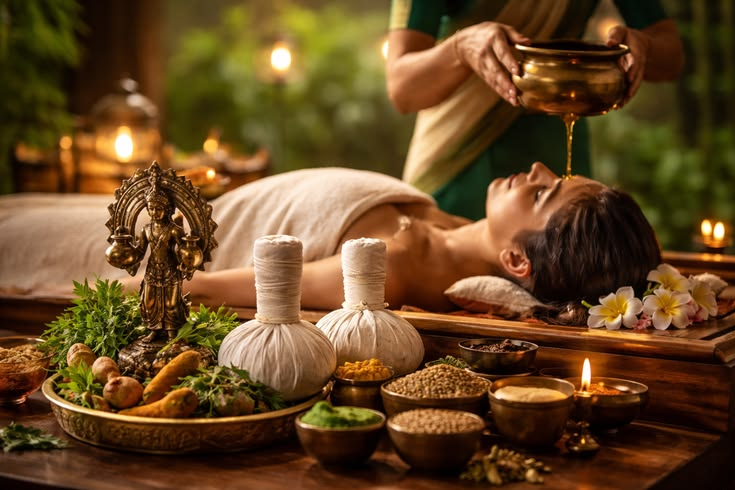
Who May Benefit from Panchakarma Nasya?
An Ayurvedic physician may recommend Nasya for individuals experiencing:
- Frequent sinus congestion
- Seasonal allergies
- Recurrent headaches
- Nasal dryness
- Stiffness in the neck and jaw
- Hoarseness of voice
- Chronic sneezing
- Mild respiratory discomfort
- Mental fatigue
- Difficulty concentrating due to chronic sinus issues
Not every person with these symptoms is a suitable candidate. Proper assessment is essential before beginning treatment.
The Three Stages of Panchakarma Nasya
1. Preparation (Purva Karma)
The face, shoulders, and neck are gently massaged with herbal oils followed by mild steam. This helps prepare the tissues for the therapy.
2. Administration (Pradhana Karma)
A measured quantity of medicated herbal oil or herbal preparation is gently instilled into each nostril while the patient lies in a comfortable position.
3. Post-Treatment Care (Paschat Karma)
The patient is guided to spit out excess secretions, rest for a short period, and follow dietary and lifestyle advice that supports the benefits of the therapy.
Key Points
- Panchakarma Nasya is one of Ayurveda’s five classical detoxification therapies.
- The therapy focuses on the health of the head and neck region.
- It is individualized after Ayurvedic assessment.
- Proper preparation is an important part of treatment.
- The procedure should always be performed by trained Ayurvedic professionals.
- Lifestyle guidance plays a significant role in long-term results.
When to Take Action
Consider consulting an Ayurvedic physician if you experience:
- Sinus congestion that frequently returns
- Persistent nasal blockage
- Recurrent headaches associated with sinus discomfort
- Seasonal allergy symptoms affecting daily life
- Ongoing nasal dryness despite home care
- Repeated respiratory irritation
People with fever, acute infections, significant nasal bleeding, or certain medical conditions may need to postpone or avoid Nasya. A professional evaluation helps determine the safest approach.
How Panchakarma Nasya Works
Ayurveda explains that imbalances affecting the head region can contribute to discomfort involving the nose, sinuses, throat, ears, and mind.
Nasya combines herbal medicines, therapeutic massage, and localized steam to support natural cleansing of the nasal passages while helping maintain healthy circulation and lubrication in the surrounding tissues.
The exact herbs, oils, frequency, and duration depend on the individual’s Ayurvedic diagnosis rather than following a standard protocol for everyone.
Treatment
Your Ayurvedic physician may recommend:
Personalized Herbal Oils
Different herbal oils are selected depending on the individual’s imbalance.
Dietary Guidance
Warm, freshly prepared meals and adequate hydration may complement therapy.
Lifestyle Changes
Reducing exposure to dust, smoke, and environmental irritants can support recovery.
Follow-up Sessions
Some individuals may benefit from multiple sessions as part of a comprehensive Panchakarma program.
Case Example
A 41-year-old software professional from Bangalore experienced repeated sinus congestion, morning nasal blockage, and forehead heaviness, especially during seasonal weather changes. After an Ayurvedic consultation, a customized treatment plan that included Panchakarma Nasya, dietary modifications, and lifestyle recommendations was advised.
Over the following weeks, the individual reported easier nasal breathing, reduced episodes of congestion, and improved comfort. As with all Ayurvedic care, outcomes varied based on the person’s health condition, adherence to recommendations, and ongoing medical evaluation.
What You Can Do Now
- Schedule an Ayurvedic consultation instead of self-administering medicated nasal oils.
- Stay well hydrated.
- Avoid excessive exposure to dust and smoke.
- Follow a balanced daily routine.
- Discuss recurring sinus or respiratory symptoms with a qualified healthcare professional.
- Seek personalized guidance before considering Panchakarma therapies.
Why This Matters
Recurring sinus discomfort can affect sleep, concentration, productivity, and overall quality of life. Panchakarma Nasya offers a traditional Ayurvedic approach that focuses on supporting the health of the nasal passages and surrounding structures through individualized care. When performed by experienced practitioners and combined with appropriate lifestyle measures, it can become part of a comprehensive wellness plan.
If you are looking for personalized Ayurvedic guidance in HSR Layout, Bangalore, consulting an experienced Panchakarma physician can help determine whether Nasya is suitable for your health needs.
FAQs
1. What is Panchakarma Nasya treatment?
Panchakarma Nasya is an Ayurvedic therapy that involves administering medicated herbal preparations through the nostrils to support the health of the head, sinuses, and respiratory passages under professional supervision.
2. Is Panchakarma Nasya only for sinus problems?
No. Depending on the Ayurvedic assessment, Nasya may also be recommended for selected conditions involving the head, neck, nasal passages, and overall respiratory wellness.
3. How many Nasya sessions are usually required?
The number of sessions varies according to the individual’s condition, Ayurvedic diagnosis, and treatment goals.
4. Can I perform Nasya treatment at home?
Classical Panchakarma Nasya should not be performed without professional guidance. An Ayurvedic physician will determine the appropriate medicines and technique.
5. Where can I get Panchakarma Nasya treatment in Bangalore?
If you are considering Panchakarma Nasya treatment, consult experienced Ayurvedic physicians at a reputed Panchakarma centre in HSR Layout, Bangalore, for a personalized evaluation and treatment plan.