
Introduction
Panchakarma Treatment is one of the most recognized therapeutic approaches in Ayurveda. It is often described as an Ayurvedic detox, but traditional Panchakarma involves much more than simply “cleansing” the body.
It follows a structured process that may include preparation, specific Ayurvedic therapies, dietary guidance, rest, and post-treatment care. The treatment is usually planned according to an individual’s health condition, digestion, lifestyle, age, strength, and Ayurvedic assessment.
If you are considering Panchakarma, understanding the treatment process can help you know what to expect and whether it may be appropriate for you.
What Is Panchakarma Treatment?
The word Panchakarma refers to five classical therapeutic procedures described in Ayurveda. These include:
- Vamana – therapeutic emesis
- Virechana – therapeutic purgation
- Basti – therapeutic administration through the rectal route
- Nasya – administration of medicines through the nasal passages
- Raktamokshana – traditional bloodletting
An important point is that not everyone needs all five procedures. A qualified Ayurvedic practitioner assesses the individual before recommending a suitable treatment plan.
This makes Ayurvedic Panchakarma different from a standard wellness package where everyone follows the same routine.
How Does Panchakarma Treatment Work?
Traditional Panchakarma generally involves three important stages.
1. Preparation
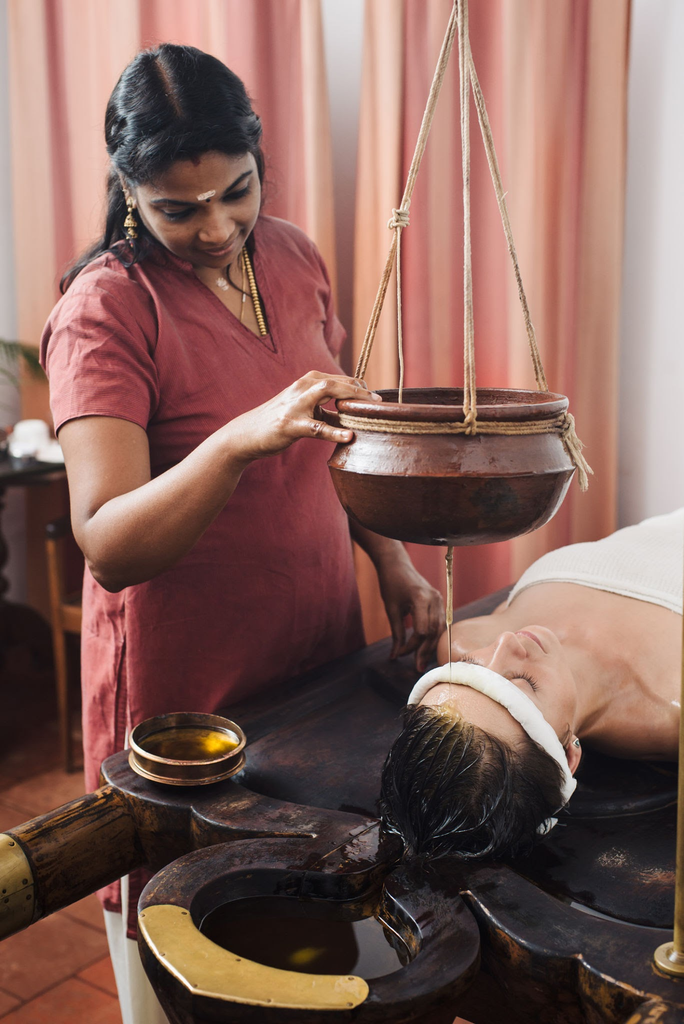
Before the main treatment, the body may be prepared through therapies such as Abhyanga, oleation, sweating therapies, dietary adjustments, or other practitioner-directed measures.
The preparation depends on the person’s condition and the procedure being considered.
2. Main Panchakarma Therapy
The selected Panchakarma Procedures are then carried out under professional supervision.
The treatment can vary significantly between individuals. One person may be recommended a particular therapy, while another may require a different approach based on their assessment.
3. Recovery and Aftercare
After the main procedure, adequate rest and appropriate food may be recommended.
The practitioner may also suggest gradual changes to your regular diet, physical activity, sleep, and daily routine.
This recovery stage is an important part of traditional Panchakarma Therapy.
What Are the Benefits of Panchakarma Treatment?
People often search for Panchakarma Benefits because they want to understand what they can expect from the treatment.
Traditionally, Panchakarma may be used to support:
- Digestive health
- Regular bowel function
- General wellbeing
- Relaxation
- Healthy lifestyle practices
- Ayurvedic dosha management
- Individualized wellness goals
The potential Panchakarma Treatment Benefits can differ from person to person. Panchakarma should not be presented as a guaranteed cure or as a replacement for appropriate medical treatment.
The purpose and expected outcomes should be discussed with a qualified practitioner before starting therapy.
Panchakarma and Digestive Health
Digestion is an important concept in traditional Ayurveda. Factors such as appetite, food habits, bowel patterns, meal timings, and lifestyle may be considered during an Ayurvedic assessment.
Depending on the individual’s needs, Panchakarma may be included as part of a broader Ayurvedic approach to digestive wellness.
However, persistent abdominal pain, unexplained weight loss, blood in stool, repeated vomiting, or significant changes in bowel habits should be medically evaluated rather than automatically attributed to an Ayurvedic imbalance.
What to Expect During Panchakarma Treatment
If you are planning Panchakarma Treatment, the process usually begins with a consultation.
Your practitioner may ask about:
- Current health concerns
- Previous medical conditions
- Digestion and appetite
- Sleep patterns
- Diet and eating habits
- Daily routine
- Medications and supplements
- Physical strength
- Lifestyle factors
This information helps the practitioner determine whether Panchakarma is appropriate and which therapies may be suitable.
You may then receive preparation instructions before the main treatment and aftercare recommendations once the therapy is completed.
The 3 Stages of True Panchakarma
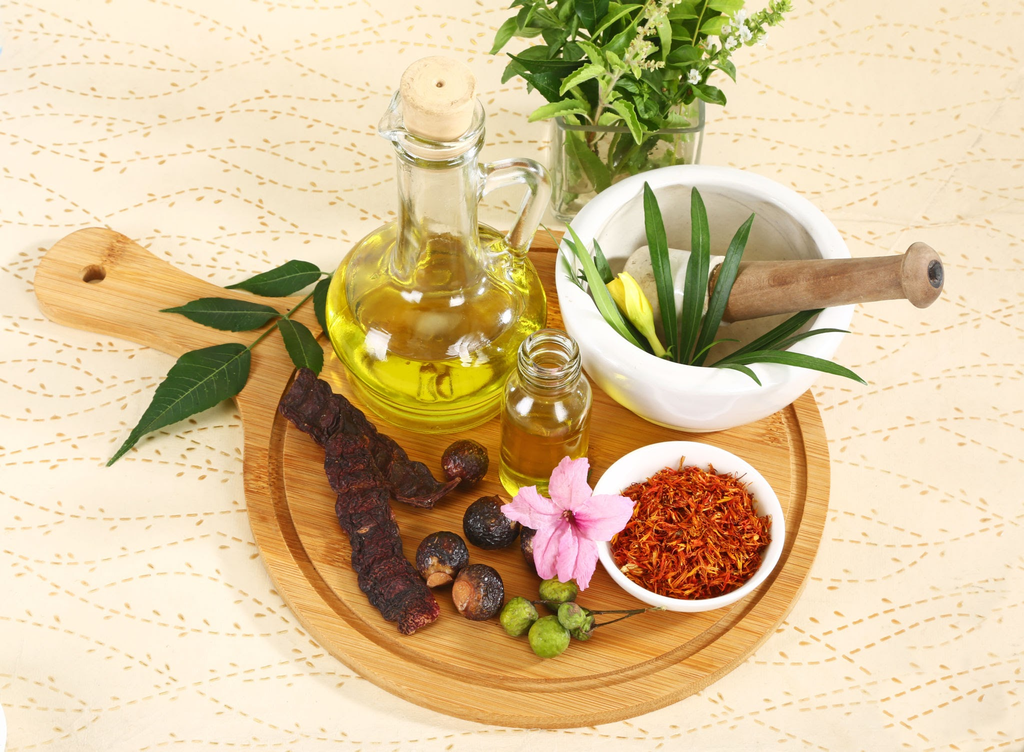
A generic wellness package treats everyone the same, but a traditional Panchakarma protocol follows three distinct, highly personalized phases:
- Preparation (Purvakarma): You cannot undergo deep clinical therapies without preparing the body first. This phase involves Abhyanga (warm oil massages), sweating therapies, and dietary adjustments to loosen impurities and move them toward the digestive tract.
- Main Therapy (Pradhana Karma): The selected classical procedures (like Basti or Virechana) are administered under strict professional supervision to flush out the mobilized imbalances.
- Recovery & Aftercare (Paschat Karma): This is arguably the most crucial phase. You will be guided through a specific post-treatment diet—gradually moving from easily digestible liquids to solid foods—along with lifestyle and sleep adjustments to rebuild your digestive fire.
How Long Does Panchakarma Treatment Take?
One of the most common questions is “How long does Panchakarma Treatment take?”
There is no single duration that applies to everyone.
The treatment period can depend on:
- Your health condition
- The therapies selected
- Preparation requirements
- Your physical strength
- Recovery needs
- Practitioner recommendations
Some programs may last several days, while others may require a longer period. The duration should be decided after professional assessment rather than choosing a treatment only because it promises faster results.
What Should You Eat During Panchakarma?
Diet can be an important part of traditional Panchakarma care.
Depending on the treatment stage, the practitioner may recommend simple and easily digestible foods. These may include warm cooked meals, suitable grains, cooked vegetables, light preparations, and adequate fluids.
Your diet may also be gradually adjusted during the recovery stage.
There is no single Panchakarma diet that works for everyone. Food recommendations should be based on your individual condition and the treatment being provided.
How to Prepare for Panchakarma Treatment
Before beginning treatment, inform your Ayurvedic practitioner about any existing medical conditions, medications, allergies, previous surgeries, pregnancy, or recent illness.
You should also avoid starting restrictive fasting plans, strong herbal preparations, or cleansing methods on your own.
Proper preparation can help make the treatment process safer and more comfortable.
Real Benefits: What to Expect
People seek out Panchakarma to restore their general wellbeing, but it is essential to approach it with realistic expectations. When guided by a professional, the benefits often include:
- Restored Digestive Health: Improved appetite, regular bowel function, and stabilized digestion.
- Nervous System Reset: Deep physical and mental relaxation.
- Dosha Balance: Targeted management of your unique Vata, Pitta, and Kapha energies.
- Sustainable Habits: A tailored blueprint for long-term diet, sleep, and daily routines.
Is Panchakarma Suitable for Everyone?
Panchakarma is not automatically suitable for everyone.
Additional assessment may be necessary for children, older adults, pregnant women, people who are physically weak, people recovering from significant illness, or those taking certain medications.
Some procedures also require specific clinical precautions.
For this reason, Panchakarma Detox Treatment should not be attempted at home based on social media videos or generic online instructions.
Panchakarma Is More Than an Ayurvedic Detox
The term “detox” is frequently used to describe Panchakarma, but traditional Panchakarma is more structured than a general detox program.
It combines assessment, preparation, selected therapies, and aftercare. It should therefore be approached as an individualized therapeutic process rather than a quick cleansing routine.
A professional consultation is important before deciding whether Panchakarma is appropriate for you.
Why Choose a Personalized Ayurvedic Approach?
Every person’s health, lifestyle, digestion, and treatment requirements are different. A therapy that may be suitable for one individual may not be appropriate for another.
At Healing Earth Ayurveda, you can discuss your health concerns and explore Ayurvedic treatment options based on your individual needs.
If you are considering Panchakarma, you can book an Ayurvedic consultation to understand which approach may be suitable for you.
Is Panchakarma Right for You?
Panchakarma is powerful, which means it is not automatically suitable for everyone.
Children, pregnant women, the elderly, those who are physically depleted, or individuals recovering from major illnesses require specialized assessments. Because of the clinical nature of these therapies, never attempt a Panchakarma detox at home using generic online instructions.
Start With a Personalized Approach
At Healing Earth Ayurveda, we believe your treatment should be as unique as your health profile. If you are considering Panchakarma, the safest and most effective journey begins with a comprehensive consultation—not a one-size-fits-all package.
Frequently Asked Questions
What is Panchakarma Treatment?
Panchakarma Treatment is a traditional Ayurvedic therapeutic approach involving selected procedures, preparation, dietary guidance, and post-treatment care.
What are the benefits of Panchakarma Treatment?
Traditional Panchakarma Therapy Benefits may include support for digestive health, relaxation, general wellbeing, and healthy lifestyle practices. Individual experiences can vary.
What are the different Panchakarma procedures?
The five classical procedures are Vamana, Virechana, Basti, Nasya, and Raktamokshana. A person does not necessarily require all five procedures.
What should I expect during Panchakarma Treatment?
You can generally expect an initial consultation, preparation, selected therapies, dietary guidance, rest, and aftercare recommendations.
How does Panchakarma Treatment work?
Panchakarma traditionally follows a structured process of preparation, selected therapeutic procedures, and recovery. The treatment is customized according to individual needs.
How long does Panchakarma Treatment take?
The duration varies depending on the individual’s health condition, selected procedures, preparation, and recovery requirements.