
Featured Snippet Answer
Peripheral neuropathy is a condition that occurs when the nerves outside the brain and spinal cord become damaged, affecting sensation, movement, or organ function. Early diagnosis combined with appropriate medical care, physiotherapy, and supportive holistic therapies can help manage symptoms and improve daily quality of life.
Introduction
A tingling sensation in your feet, occasional numbness in your hands, or unexplained burning pain may seem like minor issues at first. However, these symptoms can sometimes indicate peripheral neuropathy, a condition affecting the peripheral nervous system. Because symptoms often develop gradually, many people ignore them until daily activities become difficult.
Understanding the early warning signs and seeking timely evaluation can help prevent further nerve damage. This article explains peripheral neuropathy, its causes, diagnosis, and how holistic supportive care can complement conventional treatment.
What Is Peripheral Neuropathy?
Peripheral neuropathy refers to damage involving the peripheral nerves that connect the brain and spinal cord to the rest of the body. These nerves control movement, sensation, and several automatic body functions.
Depending on the nerves involved, peripheral neuropathy may affect:
- Sensory nerves that carry touch, pain, and temperature signals
- Motor nerves responsible for muscle movement
- Autonomic nerves that regulate blood pressure, digestion, sweating, and bladder function
Some individuals experience damage to only one type of nerve, while others may have a combination of symptoms.
Common Early Symptoms of Peripheral Neuropathy
Symptoms usually begin gradually and may worsen over time if the underlying cause is not addressed.
Tingling or Pins-and-Needles Sensation
Many patients first notice tingling in the toes or fingertips that slowly spreads upward.
Numbness
Reduced sensation may make it difficult to feel heat, cold, or injuries.
Burning or Sharp Pain
Some individuals experience burning discomfort, electric shock-like sensations, or stabbing pain, especially during the night.
Muscle Weakness
Weakness in the feet, hands, or legs can affect walking, climbing stairs, or gripping objects.
Poor Balance
Reduced sensation in the feet increases the risk of falls, particularly in older adults.
Increased Sensitivity
Even light touch or clothing may cause discomfort in certain patients.
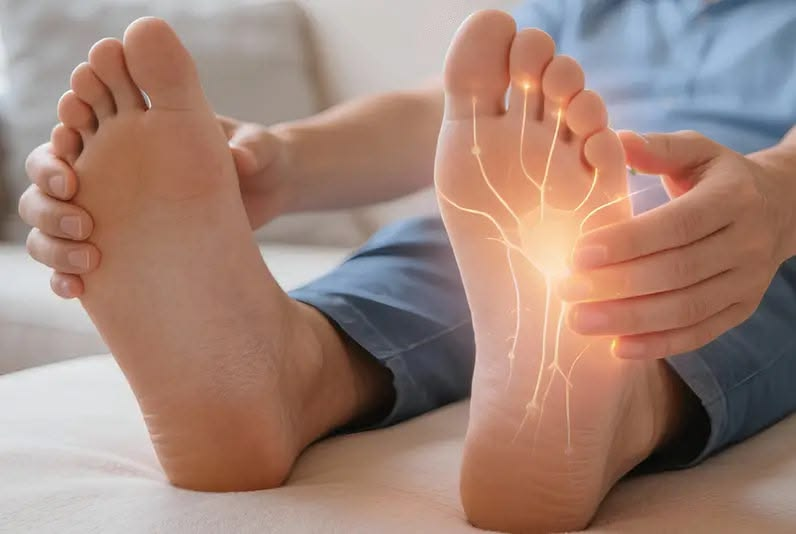
What Causes Peripheral Neuropathy?
Peripheral neuropathy has many possible causes. Identifying the underlying condition is an essential part of treatment.
Common causes include:
- Diabetes
- Vitamin B12 deficiency
- Thyroid disorders
- Kidney disease
- Autoimmune conditions
- Certain infections
- Alcohol misuse
- Side effects of some medications
- Repetitive nerve compression
- Physical injury
- Inherited nerve disorders
In some individuals, no definite cause is identified despite thorough evaluation.
Who Is More Likely to Develop Peripheral Neuropathy?
The condition is more common in people who:
- Have diabetes
- Are above 50 years of age
- Consume excessive alcohol
- Have nutritional deficiencies
- Experience long-term nerve compression
- Have autoimmune disorders
- Receive certain chemotherapy medications
Recognizing risk factors allows earlier evaluation and management.
How Peripheral Neuropathy Is Diagnosed
A comprehensive evaluation helps determine both the presence of nerve damage and its cause.
Your healthcare provider may recommend:
Clinical Examination
Assessment of muscle strength, sensation, balance, and reflexes.
Blood Tests
To identify diabetes, vitamin deficiencies, thyroid disorders, infections, or inflammatory conditions.
Nerve Conduction Studies
These tests evaluate how efficiently electrical signals travel through the nerves.
Electromyography (EMG)
EMG assesses muscle activity and helps determine whether symptoms arise from nerve or muscle disorders.
Imaging
MRI or ultrasound may be recommended when nerve compression is suspected.
Can Holistic Therapies Support Nerve Health?
Holistic care is not a replacement for medical diagnosis or prescribed treatment. However, when integrated with conventional care, certain supportive therapies may improve comfort, mobility, and overall well-being.
Supportive approaches may include:
Therapeutic Physiotherapy
Targeted exercises improve muscle strength, coordination, flexibility, and balance.
Yoga-Based Rehabilitation
Gentle stretching and guided movement may improve posture, circulation, flexibility, and body awareness.
Stress Management
Chronic stress may increase pain perception. Relaxation practices, breathing exercises, and mindfulness may support overall recovery.
Nutritional Guidance
Adequate intake of vitamins, minerals, and balanced nutrition supports healthy nerve function.
Lifestyle Modification
Managing blood sugar, maintaining healthy weight, staying physically active, and avoiding smoking contribute to long-term nerve health.
Key Points
- Peripheral neuropathy affects nerves outside the brain and spinal cord.
- Tingling, numbness, burning pain, and weakness are common early symptoms.
- Diabetes is one of the leading causes.
- Early diagnosis may help slow progression.
- Physiotherapy and lifestyle modifications play an important role in rehabilitation.
- Holistic supportive care can complement conventional treatment under professional guidance.
- Regular follow-up helps monitor improvement and prevent complications.
When to Take Action
Consult a healthcare professional if you experience:
- Persistent tingling lasting several weeks
- Progressive numbness
- Burning pain interfering with sleep
- Muscle weakness
- Frequent falls or balance problems
- Sudden loss of sensation
- Difficulty walking
- Symptoms that worsen rapidly
If symptoms appear suddenly or are accompanied by severe weakness or loss of bladder or bowel control, immediate medical attention is necessary.
Individuals in HSR Layout, Bangalore, or nearby areas experiencing persistent nerve-related symptoms should consider a comprehensive neurological and orthopaedic evaluation for an accurate diagnosis and personalized treatment plan.
How Peripheral Neuropathy Affects Daily Life
Healthy nerves continuously transmit signals between the brain and the body. When these signals become disrupted:
- Sensation becomes reduced or abnormal.
- Muscles may weaken due to poor nerve communication.
- Balance becomes less stable.
- Pain signals may become exaggerated even without injury.
Early intervention focuses on identifying reversible causes, reducing further nerve damage, and improving physical function.
Treatment and Practical Advice
Treatment depends on the underlying cause and severity of symptoms.
A personalized care plan may include:
- Managing diabetes or other medical conditions
- Correcting vitamin deficiencies
- Medications for nerve pain when appropriate
- Physiotherapy for strength and mobility
- Balance training
- Ergonomic advice
- Foot care education for patients with reduced sensation
- Supportive yoga and rehabilitation exercises under professional supervision
- Regular follow-up to monitor recovery
Treatment plans should always be individualized after a complete medical evaluation.
Case Example
A 57-year-old office professional from Bangalore developed tingling in both feet after several years of poorly controlled diabetes. Initially, he ignored the symptoms, assuming they were related to fatigue. Following a neurological assessment, he began blood sugar management, physiotherapy, and a supervised rehabilitation program focused on balance, mobility, and gentle exercises. Over the following months, his walking confidence improved, nighttime discomfort reduced, and he was able to return to his regular daily routine with better symptom control.
What You Can Do Now
- Do not ignore persistent tingling or numbness.
- Maintain healthy blood sugar levels if you have diabetes.
- Eat a balanced diet rich in essential nutrients.
- Stay physically active within your doctor’s recommendations.
- Protect your feet from injuries if sensation is reduced.
- Schedule an evaluation if symptoms continue or worsen.
- Follow prescribed rehabilitation exercises consistently.
- Seek guidance from qualified orthopaedic and neurology professionals for individualized care.
Why This Matters
Peripheral neuropathy often progresses slowly, making early symptoms easy to overlook. Timely diagnosis helps identify treatable causes before significant nerve damage occurs. Combining evidence-based medical care with physiotherapy, healthy lifestyle habits, and appropriate holistic supportive therapies can help many individuals maintain independence, improve mobility, and enhance their overall quality of life.
FAQs
1. What are the first symptoms of peripheral neuropathy?
Early symptoms commonly include tingling, numbness, burning sensations, reduced feeling in the hands or feet, and occasional muscle weakness.
2. Can peripheral neuropathy be reversed?
Some cases improve when the underlying cause, such as vitamin deficiency or diabetes, is treated early. Recovery depends on the severity and duration of nerve damage.
3. Is walking good for peripheral neuropathy?
Gentle walking and supervised exercise programs may improve circulation, muscle strength, and balance. Activities should be tailored to individual abilities and medical advice.
4. Can physiotherapy help peripheral neuropathy?
Yes. Physiotherapy can improve strength, coordination, flexibility, balance, and confidence during movement, making it an important part of rehabilitation for many patients.
5. Where can I seek holistic peripheral neuropathy care in Bangalore?
Individuals seeking integrated orthopaedic and neurology care can consult experienced healthcare professionals in HSR Layout, Bangalore, for comprehensive assessment, evidence-based treatment, physiotherapy, and supportive holistic rehabilitation tailored to their condition.
Author Bio
Dr. Anuradha K K – Integrative Orthopaedic & Neurology Care Team
Dr. Anuradha K K believes that effective nerve care begins with accurate diagnosis, patient education, and individualized rehabilitation. By combining evidence-based medical evaluation with physiotherapy, lifestyle guidance, and supportive holistic therapies where appropriate, she focuses on helping patients improve mobility, reduce discomfort, and maintain long-term functional independence through compassionate, patient-centered care.