
Featured Snippet Answer
Vasti is one of the most important Panchakarma therapies in Ayurveda, using medicated herbal oils or decoctions administered through the rectal route to balance Vata dosha. It is traditionally recommended to support digestive health, improve mobility, nourish tissues, and promote overall well-being under expert supervision.
Introduction
Many health concerns begin with subtle imbalances rather than sudden illness. Persistent constipation, dry joints, lower back discomfort, bloating, stiffness, and fatigue often have one common factor in Ayurveda an aggravated Vata dosha.
Vasti therapy is considered one of Ayurveda’s most comprehensive treatments for restoring this balance. Unlike ordinary enemas that mainly cleanse the bowel, Ayurvedic Vasti uses carefully selected herbal formulations designed to nourish, lubricate, and support the body’s natural healing processes. At Healing Earth in HSR Layout, Bangalore, Vasti therapy is planned after a detailed Ayurvedic assessment to suit each individual’s constitution and health condition.
Why Is Vasti Considered the Prime Therapy for Vata?
According to Ayurveda, Vata governs movement throughout the body, including digestion, circulation, nerve impulses, breathing, and joint function.
When Vata becomes imbalanced, people may experience:
- Chronic constipation
- Dryness in the body
- Gas and bloating
- Joint stiffness
- Lower back discomfort
- Reduced flexibility
- Irregular digestion
- Disturbed sleep
Since the large intestine is regarded as the primary seat of Vata, Vasti therapy works by addressing the imbalance at its source.
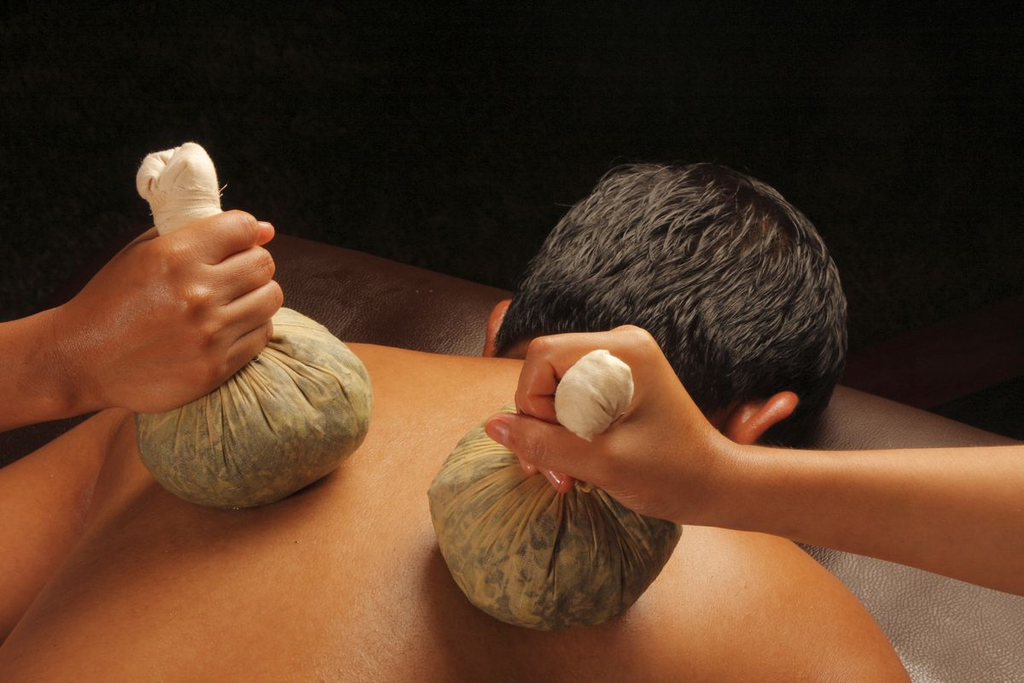
Types of Vasti Therapy
Anuvasana Vasti (Oil-Based Therapy)
This therapy uses medicated herbal oils that help lubricate tissues and support healthy Vata balance. It is commonly chosen when dryness, stiffness, or tissue depletion is present.
Niruha Vasti (Herbal Decoction Therapy)
This form uses herbal decoctions blended with specific Ayurvedic ingredients. It focuses on cleansing accumulated doshas while maintaining the body’s natural balance.
Matra Vasti
A smaller quantity of medicated oil is administered, making it suitable in selected situations where gentle nourishment is preferred. The treatment plan is always individualized by the Ayurvedic physician.
Conditions Where Vasti May Be Recommended
An Ayurvedic doctor may consider Vasti therapy as part of a personalized treatment plan for:
- Chronic constipation
- Lower back discomfort
- Knee stiffness
- Neck rigidity
- Sciatica
- Osteoarthritis
- Rheumatoid arthritis (supportive Ayurvedic management)
- Dry skin associated with Vata imbalance
- Certain neurological conditions
- Muscle weakness
- Digestive irregularities
The exact recommendation depends on the patient’s overall health, Ayurvedic diagnosis, and suitability for Panchakarma.
How Vasti Therapy Is Performed
Before beginning treatment, the physician evaluates:
- Body constitution (Prakriti)
- Current dosha imbalance
- Digestive strength (Agni)
- Medical history
- Lifestyle factors
The therapy usually includes:
Step 1: Preparation
The body may first be prepared using therapies such as Abhyanga (herbal oil massage) and Swedana (therapeutic steam) to enhance relaxation and support the treatment process.
Step 2: Administration
The prescribed medicated oil or herbal decoction is administered carefully through the rectal route using sterile Ayurvedic techniques under professional supervision.
Step 3: Rest and Observation
Patients are observed after the procedure, and personalized dietary and lifestyle recommendations are provided to support recovery.
The duration and number of sessions vary depending on the individual’s condition and treatment goals.
Benefits of Vasti Therapy
When appropriately prescribed, Vasti therapy may help:
- Support healthy bowel movements
- Promote better digestive function
- Improve flexibility
- Reduce dryness in tissues
- Support joint comfort
- Nourish muscles and nerves
- Enhance mobility
- Encourage balanced Vata
- Promote overall wellness
Results differ from person to person, and the therapy should always be performed by qualified Ayurvedic professionals.
Key Points
- Vasti is considered the primary Panchakarma therapy for balancing Vata.
- It uses medicated herbal oils or decoctions—not plain water.
- Treatment is individualized after Ayurvedic assessment.
- It supports digestive, joint, muscular, and nervous system health.
- Preparation and aftercare are important parts of successful therapy.
- Self-administering Ayurvedic Vasti without medical guidance is not recommended.
When to Take Action / See a Professional
Consult a qualified Ayurvedic physician if you experience:
- Constipation lasting several weeks
- Frequent bloating despite dietary changes
- Persistent joint stiffness
- Recurrent lower back discomfort
- Difficulty with mobility
- Long-term Vata-related symptoms affecting daily life
If you are in or around HSR Layout, Bangalore, an Ayurvedic consultation can help determine whether Vasti therapy is appropriate for your specific condition.
How Vasti Works in Ayurveda
Ayurveda explains that balanced digestion, healthy tissues, and proper elimination are interconnected.
Vasti works through multiple mechanisms:
- Helps normalize Vata in the colon
- Supports natural elimination
- Nourishes body tissues with medicated oils
- Assists in maintaining digestive balance
- Supports circulation according to Ayurvedic principles
- Complements broader Panchakarma detoxification protocols
Rather than focusing on a single symptom, the therapy aims to restore systemic balance.
Treatment and Practical Advice
The effectiveness of Vasti therapy depends not only on the procedure but also on following supportive measures.
Patients are generally advised to:
- Eat freshly prepared, easy-to-digest meals
- Drink adequate warm fluids
- Avoid excessively cold and processed foods
- Follow prescribed herbal medications, if advised
- Maintain regular sleep habits
- Avoid strenuous physical activity immediately after treatment
- Attend follow-up consultations as recommended
Case Example
A 52-year-old office professional visited with complaints of long-standing constipation, morning stiffness, and lower back discomfort that affected daily activities. After a detailed Ayurvedic evaluation, a personalized Panchakarma program including Vasti therapy, dietary guidance, and lifestyle modifications was recommended. Over the following weeks, the patient reported improved bowel regularity, greater ease of movement, and better overall comfort. Individual outcomes vary, and treatment plans are always personalized.
What You Can Do Now
- Observe recurring digestive and joint symptoms.
- Avoid delaying evaluation for chronic constipation or stiffness.
- Maintain regular meal timings.
- Stay physically active within your comfort level.
- Seek an Ayurvedic consultation before considering Panchakarma therapies.
- Follow only physician-supervised Vasti treatments.
Why This Matters
Many people treat constipation or joint discomfort as isolated problems. Ayurveda views these symptoms as interconnected signs of imbalance that deserve comprehensive evaluation.
When appropriately prescribed, Vasti therapy forms an important part of Panchakarma by supporting digestive health, mobility, and overall balance rather than simply addressing individual symptoms. Early consultation with experienced Ayurvedic physicians can help determine the most suitable treatment approach based on your unique constitution.
FAQs
1. What is Vasti therapy in Ayurveda?
Vasti is a Panchakarma treatment that uses medicated herbal oils or decoctions administered through the rectal route to help balance Vata dosha and support digestive and musculoskeletal health.
2. Is Vasti only used for constipation?
No. While it is commonly recommended for constipation, Ayurvedic physicians may also include Vasti therapy in personalized treatment plans for joint stiffness, lower back discomfort, nerve-related concerns, and other Vata-related imbalances.
3. Is Vasti therapy painful?
When performed correctly by trained Ayurvedic professionals, Vasti therapy is generally well tolerated. The procedure is customized according to the individual’s health condition.
4. How many Vasti sessions are usually required?
The number of sessions depends on the person’s health condition, dosha imbalance, age, and overall Panchakarma treatment plan determined by the Ayurvedic physician.
5. Can I undergo Vasti therapy at home?
No. Classical Ayurvedic Vasti should only be performed under the supervision of qualified Ayurvedic practitioners to ensure safety, proper formulation selection, and appropriate monitoring.