
Featured Snippet Answer
Yoga may help reduce the frequency and intensity of migraine attacks by lowering stress, improving posture, enhancing blood circulation, and promoting better sleep. When combined with a healthy lifestyle and professional guidance, yoga can become an effective part of a long-term migraine management plan.
Introduction
Migraines are more than just headaches. They can disrupt work, family life, and daily activities with symptoms such as throbbing pain, nausea, sensitivity to light, and sound. While medications remain an important part of treatment for many people, they may not address every trigger that contributes to recurring migraine episodes.
Yoga for migraine relief is increasingly being explored as a complementary approach that supports the body’s natural ability to manage stress, muscle tension, and nervous system balance. At Healing Earth in HSR Layout, Bangalore, yoga and naturopathy are integrated with personalized wellness guidance to help individuals build healthier habits that may reduce migraine frequency over time.
Understanding Migraine Beyond Head Pain
A migraine is a neurological condition involving complex changes in the brain and nervous system. It often develops due to a combination of genetic, environmental, hormonal, and lifestyle factors.
Unlike ordinary headaches, migraines may last from several hours to a few days and can significantly affect quality of life.
Common symptoms include:
- Moderate to severe throbbing headache
- Pain on one or both sides of the head
- Nausea or vomiting
- Sensitivity to light, noise, or strong smells
- Difficulty concentrating
- Visual disturbances (aura) in some individuals
Because triggers vary from person to person, identifying patterns is an important step in long-term management.
Why Do Migraines Keep Returning?
Many people focus only on treating the pain when a migraine begins. However, recurring attacks are often linked to everyday habits that repeatedly trigger the nervous system.
Some common migraine triggers include:
- Emotional stress
- Poor sleep quality
- Long hours of screen exposure
- Skipping meals
- Dehydration
- Hormonal fluctuations
- Neck and shoulder muscle tension
- Poor posture
- Certain foods or beverages
Yoga primarily works by addressing several of these contributing factors instead of simply masking symptoms.
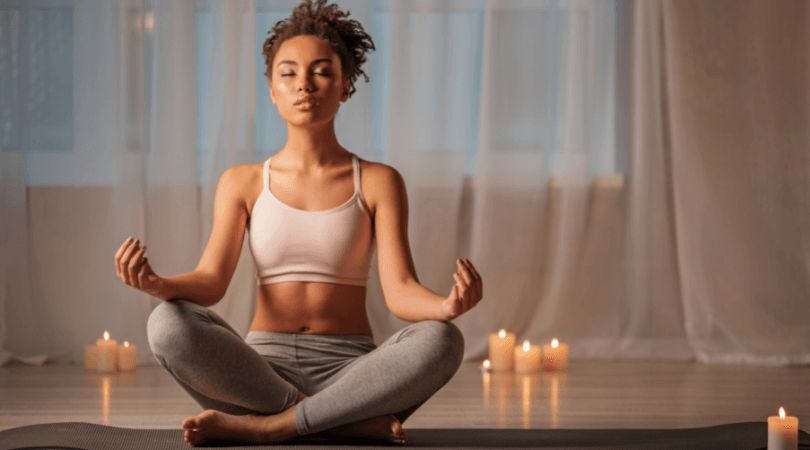
How Yoga May Help Reduce Migraine Frequency
Yoga combines physical movement, breathing techniques, and relaxation practices that influence both physical and mental well-being.
Reduces Stress Response
Stress is among the most common migraine triggers. Gentle yoga helps activate the parasympathetic nervous system, encouraging relaxation and reducing excessive stress responses.
Regular practice may help individuals respond more calmly to daily pressures.
Improves Neck and Shoulder Mobility
People who spend long hours working at computers often develop stiffness around the neck and shoulders.
Certain yoga postures gently stretch these muscles, reducing mechanical tension that may contribute to headaches.
Encourages Better Breathing
Shallow breathing can increase muscle tension and stress.
Pranayama techniques encourage slower, deeper breathing, helping improve oxygen delivery while promoting relaxation.
Supports Better Sleep
Sleep disturbances are closely linked to migraine frequency.
Practicing calming yoga in the evening may improve sleep quality, which is an important factor in migraine prevention.
Improves Posture
Forward head posture and prolonged sitting may place unnecessary strain on muscles surrounding the neck.
Yoga strengthens postural muscles, helping maintain healthier spinal alignment during daily activities.
Yoga Practices Often Recommended for Migraine Wellness
Not every yoga practice is suitable during an active migraine attack. Gentle, restorative practices are generally preferred.
Some commonly recommended practices include:
Gentle Stretching
Simple stretches help release muscle tightness without placing unnecessary strain on the body.
Restorative Yoga
Supported postures encourage deep relaxation and nervous system recovery.
Breathing Exercises (Pranayama)
Techniques such as diaphragmatic breathing may help reduce stress and encourage mental calmness.
Guided Relaxation
Yoga Nidra and mindful relaxation practices allow both the body and mind to recover from accumulated stress.
Each program should be adapted according to an individual’s medical condition and migraine pattern.
The Role of Naturopathy in Migraine Management
Yoga becomes even more effective when combined with healthy lifestyle practices.
Naturopathy focuses on identifying factors that may contribute to recurring headaches rather than addressing only the symptoms.
Depending on individual needs, recommendations may include:
- Hydration guidance
- Balanced meal timing
- Stress management techniques
- Sleep hygiene education
- Lifestyle counselling
- Natural relaxation therapies
- Personalized wellness planning
These approaches aim to improve overall health while supporting migraine prevention.
Lifestyle Habits That Complement Yoga
Small daily habits often make a significant difference.
Helpful practices include:
- Drink enough water throughout the day.
- Avoid skipping meals.
- Maintain regular sleeping hours.
- Limit prolonged screen exposure.
- Take short movement breaks during work.
- Identify personal migraine triggers.
- Practice relaxation daily.
- Engage in moderate physical activity.
Consistency often produces better results than occasional intensive efforts.
Key Points
- Yoga may help reduce migraine frequency by lowering stress.
- Gentle stretching can ease neck and shoulder tension.
- Breathing exercises support relaxation.
- Better sleep contributes to migraine prevention.
- Healthy posture may reduce physical strain.
- Naturopathy focuses on identifying lifestyle triggers.
- Individualized care provides better long-term outcomes.
- Yoga should complement—not replace—medical advice when required.
When to Take Action
Consult a healthcare professional if:
- Headaches become more frequent.
- Pain suddenly becomes severe.
- Migraines interfere with daily activities.
- Over-the-counter medicines are used frequently.
- Vision changes or neurological symptoms appear.
- Headaches begin after an injury.
- You experience fever, confusion, or persistent vomiting.
Individuals experiencing recurring migraines may also benefit from a holistic assessment at Healing Earth in HSR Layout, Bangalore, where yoga and naturopathy programs are tailored to individual health needs.
How It Works
A yoga-based migraine wellness program usually begins with understanding:
- Headache frequency
- Lifestyle habits
- Sleep routine
- Stress levels
- Physical posture
- Muscle tightness
- Work environment
- Dietary patterns
Based on this assessment, a personalized combination of yoga practices, breathing exercises, relaxation techniques, and naturopathy recommendations is introduced gradually.
Progress is monitored and modified according to the individual’s response.
Treatment
Managing migraines often requires a combination of approaches.
A comprehensive wellness plan may include:
- Personalized yoga sessions
- Guided breathing practices
- Relaxation therapy
- Posture correction exercises
- Stress management education
- Nutritional guidance
- Daily routine optimization
- Regular follow-up and progress review
These approaches are intended to support overall health alongside conventional medical care where necessary.
Case Example
A 35-year-old software professional in Bangalore experienced migraines three to four times each month, particularly during stressful work periods.
After a wellness assessment, she began practicing gentle yoga, breathing exercises, and relaxation techniques while improving hydration, sleep habits, and posture during office hours.
Over the following months, she reported fewer migraine episodes and felt better equipped to manage stress. While occasional headaches still occurred, they became less disruptive to her daily routine.
Individual results vary, and treatment should always be personalized.
What You Can Do Now
- Maintain a migraine diary.
- Stay hydrated.
- Sleep at consistent times.
- Avoid skipping meals.
- Reduce unnecessary screen exposure.
- Practice gentle yoga regularly.
- Include breathing exercises in your routine.
- Manage workplace posture.
- Seek professional evaluation for persistent migraines.
Why This Matters
Migraines can significantly affect productivity, relationships, and emotional well-being. Looking beyond symptom relief to address everyday triggers offers a more sustainable approach to long-term health.
Yoga and naturopathy encourage healthy movement, relaxation, and lifestyle awareness, helping many individuals improve their overall quality of life while supporting migraine management. A personalized consultation at Healing Earth, HSR Layout, Bangalore, can help determine whether these approaches are appropriate as part of your broader care plan.
FAQs
1. Can yoga completely cure migraines?
No. Yoga is not considered a cure for migraines, but regular practice may help reduce headache frequency, improve stress management, and support overall well-being.
2. Which yoga is best for migraine relief?
Gentle yoga, restorative yoga, breathing exercises, and guided relaxation are commonly recommended. The best approach depends on your individual health condition.
3. Can beginners practice yoga for migraines?
Yes. Beginners can safely start with simple, supervised yoga sessions designed according to their physical abilities and medical history.
4. Is naturopathy helpful for migraine management?
Naturopathy focuses on lifestyle factors such as sleep, nutrition, stress, hydration, and daily habits that may contribute to recurring migraine attacks.
5. Where can I find holistic migraine care in Bangalore?
Individuals looking for an integrated approach combining yoga, naturopathy, and lifestyle guidance may consider consulting experienced practitioners at Healing Earth in HSR Layout, Bangalore.