
Modern life can make maintaining a healthy routine challenging. Long working hours, irregular meals, prolonged screen time, stress, inadequate sleep, and limited physical activity can affect overall well-being.
Ayurveda takes a holistic approach to wellness by emphasizing appropriate diet, daily routines, mindful living, rest, and individualized care. Cleansing practices can be incorporated into everyday life through simple, sustainable habits rather than complicated routines that require hours of free time.
For individuals looking for a more structured approach, traditional therapies such as a supervised Panchakarma program may be considered under the guidance of a qualified Ayurvedic practitioner.
What Is Ayurvedic Detox?
This traditional approach refers to dietary, lifestyle, herbal, and therapeutic practices used as part of an individualized wellness plan. Ayurveda does not consider cleansing a one-size-fits-all process. An individual’s constitution, lifestyle, dietary habits, age, health status, and specific needs may influence the approach recommended by a practitioner.
Simple lifestyle practices can support general wellness, while more intensive protocols should be undertaken only with appropriate professional guidance.
Why Consider These Wellness Practices?
Modern routines can encourage habits such as irregular eating, frequent consumption of processed foods, prolonged sitting, stress, and insufficient sleep. Adopting practical wellness habits can help create a more structured lifestyle focused on:
- Balanced and mindful eating
- Regular daily routines
- Adequate hydration
- Gentle physical activity
- Stress management
- Quality sleep
- Personal self-care
The aim should not be to follow an extreme plan. Instead, focus on sustainable habits that can become part of your everyday routine.
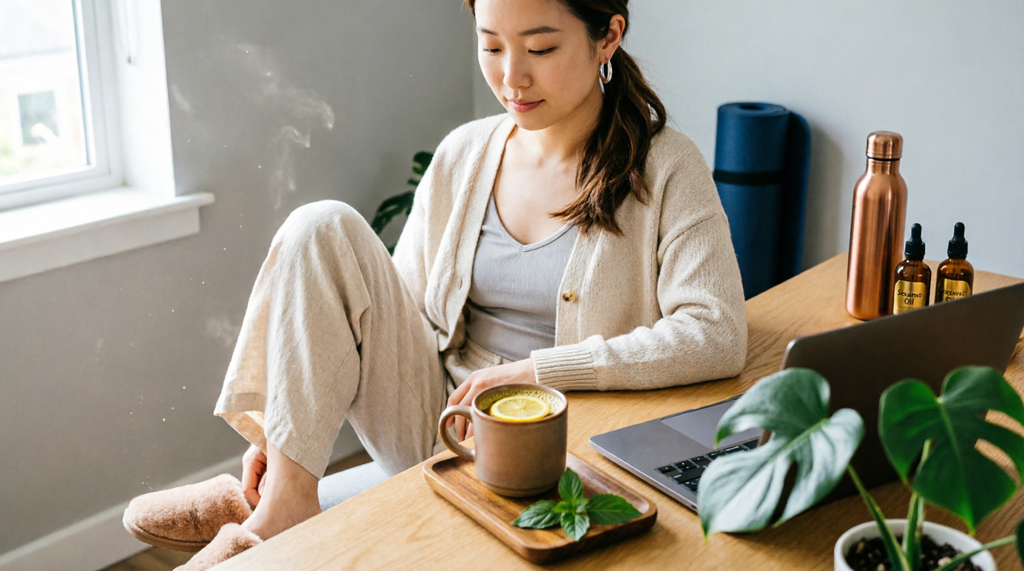
Simple Practices for a Busy Lifestyle
1. Begin Your Morning With Warm Water
Starting the morning with warm water can be a simple way to establish a consistent hydration routine. Make hydration a regular part of your morning and continue drinking enough fluids throughout the day according to your individual needs.
2. Maintain Regular Meal Times
Busy professionals may skip meals, delay lunch, or eat dinner late because of work commitments. Try to maintain reasonably consistent meal times whenever possible. Choose balanced, freshly prepared meals and limit excessive consumption of highly processed foods. Eating slowly and paying attention to hunger and fullness can also encourage mindful eating.
3. Try a Simple Ayurvedic-Inspired Khichdi
Khichdi is a simple dish that can be prepared using rice, moong dal, vegetables, and suitable spices.
Simple Preparation:
- Wash the rice and moong dal.
- Add seasonal vegetables.
- Cook everything with sufficient water until soft.
- Add mild spices such as cumin or turmeric according to your preferences.
- Serve warm.
4. Practise Mindful Eating
Eating while working or scrolling through your phone can make it difficult to focus on your meal. Whenever possible, sit comfortably, keep electronic devices away, eat slowly, chew your food properly, and pay attention to hunger and fullness. Starting with one distraction-free meal each day can be a practical way to develop this habit.
5. Add Five Minutes of Mindfulness
You do not need a lengthy meditation session to introduce mindfulness into your daily routine. Set aside five to ten minutes to sit comfortably and focus on your breathing. Short, consistent practices can be easier to maintain than occasional lengthy sessions.
6. Include Gentle Movement
A desk-based lifestyle can involve several hours of sitting each day. Adding short movement breaks, such as taking a short walk, stretching between work sessions, or practising gentle yoga, can help make your daily routine more active.
7. Explore Abhyanga
Traditional Ayurvedic oil massage is commonly included in wellness routines to promote relaxation and circulation. Depending on individual needs, a practitioner may recommend a suitable oil and method. A short self-massage before bathing may be incorporated into a personal routine when appropriate. People with allergies, sensitive skin, or specific health concerns should seek professional advice first.
8. Make Sleep Part of Your Daily Routine
A healthy routine must include adequate rest. Try to maintain a regular bedtime, reduce unnecessary screen exposure before bed, avoid heavy meals close to bedtime, and keep your sleeping environment comfortable.
At-Home Practices vs. Professional Care
Some simple habits like mindful eating, adequate hydration, gentle movement, and maintaining a regular sleep schedule can be incorporated into a home routine. However, these lifestyle practices should not be confused with intensive cleansing procedures. Avoid prolonged fasting, concentrated herbal preparations, or attempting traditional cleansing procedures without professional guidance.
Understanding Specialized Therapies
Specialized approaches involve individualized therapies, along with appropriate preparation and post-treatment care. It is not simply a home diet or a generic cleansing program. A qualified practitioner can assess your individual needs and determine whether this path is appropriate for you. The potential benefits vary according to an individual’s health, treatment plan, and therapies used, which is why professional supervision is essential.
A Simple Daily Routine for Busy Individuals
If your schedule is packed, start with small, manageable changes:
- Morning: Drink water, spend five minutes practising mindful breathing, and have a balanced breakfast.
- During Work: Take short movement breaks, stay adequately hydrated, and avoid regularly skipping meals.
- Lunch: Eat without your phone or laptop when possible, and choose a freshly prepared meal.
- Evening: Take a short walk, reduce screen exposure, and practise gentle breathing.
- Before Bed: Maintain a consistent bedtime and give yourself enough time to sleep.
When Should You Consider Professional Guidance?
If you are considering a structured cleansing protocol, an individual assessment is important. A qualified practitioner will consider your current health status, dietary habits, lifestyle, sleep patterns, digestive health, individual constitution, current medications, and specific wellness goals. This allows the practitioner to recommend personalized rejuvenation and detox programs tailored to your needs rather than relying on a generic plan.
Care at Healing Earth Ayurveda Hospital
At Healing Earth Ayurveda Hospital, individuals interested in holistic well-being can seek personalized guidance based on their unique needs. Those considering specialized therapies can explore various holistic Ayurvedic therapies to understand which approach may be appropriate for them. Professional guidance is particularly important before undertaking any intensive procedures.
Conclusion
A wellness routine does not have to involve complicated schedules or drastic dietary restrictions. Busy individuals can begin with practical habits such as mindful eating, adequate hydration, regular movement, relaxation, appropriate oil massage, and consistent sleep. For those considering a more structured approach, therapies should be planned and supervised by a qualified practitioner. The most effective routine is one that fits realistically into your lifestyle and can be followed consistently.
Frequently Asked Questions
1. What is this traditional approach to cleansing?
It refers to traditional dietary, lifestyle, and therapeutic approaches used as part of an individualized approach to wellness.
2. Can I practise these methods at home?
Simple practices such as mindful eating, adequate hydration, gentle movement, breathing exercises, and maintaining a regular sleep schedule can be incorporated into a home routine. Intensive procedures require professional guidance.
3. What is Panchakarma?
It is a specialized traditional treatment approach involving individualized therapies. It should be planned and performed under the supervision of a qualified practitioner.
4. What are the benefits of these specialized treatments?
Potential benefits vary according to an individual’s health, treatment plan, and therapies used. A qualified practitioner can explain the suitability and expected outcomes following an assessment.
5. Is this suitable for everyone?
No. The appropriate approach can vary between individuals. People who are pregnant, have existing health conditions, take medications, or are considering intensive cleansing should consult a qualified healthcare professional before beginning treatment.