
Kshara Sutra is a traditional Ayurvedic parasurgical procedure commonly used in the management of anal fistula and certain other anorectal conditions. Along with the procedure, appropriate dietary habits and post-treatment care play an important role in supporting recovery. Understanding the right diet after Kshara Sutra treatment can help patients maintain regular bowel movements, reduce constipation and support digestive health during the recovery period.
After treatment, patients may experience discomfort during bowel movements or changes in their usual bowel habits. A balanced diet containing fibre-rich foods, adequate fluids and easily digestible meals can help maintain softer stools and reduce excessive straining. Patients receiving care at the best Ayurvedic hospital in Bangalore should also follow the dietary recommendations provided by their treating doctor.
Why Is Diet Important After Kshara Sutra Treatment?
Diet plays an important role in maintaining digestive health after anorectal procedures. Constipation and hard stools can increase pressure during bowel movements, potentially causing additional discomfort around the affected area.
Following an appropriate diet after Kshara Sutra treatment may help patients:
- Maintain regular bowel movements.
- Reduce the risk of constipation.
- Support comfortable bowel movements.
- Improve daily digestive health.
- Maintain adequate hydration.
- Support the body’s normal recovery process.
A suitable dietary plan should be selected according to the patient’s digestive health, medical history and individual recovery requirements.
Foods to Eat After Kshara Sutra Treatment
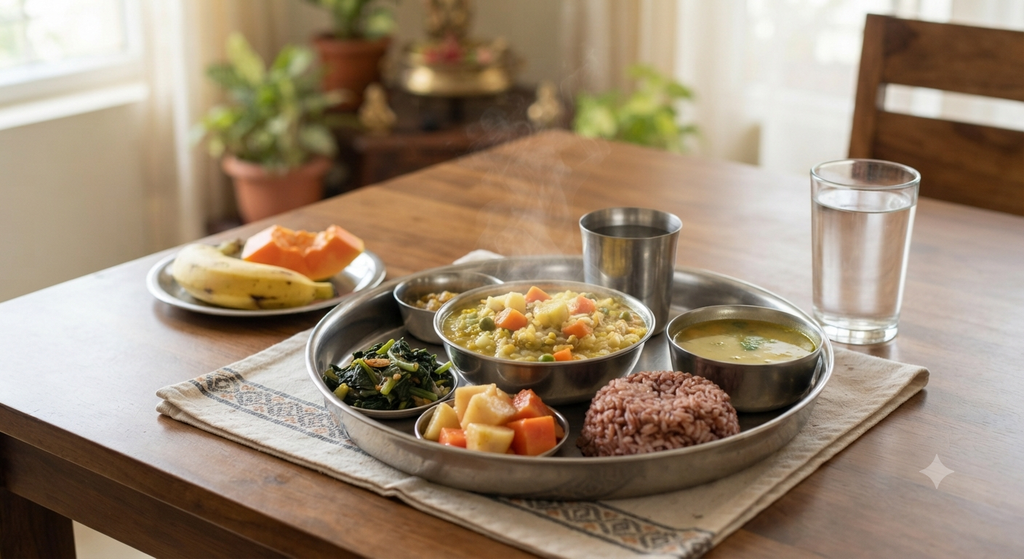
Choosing nutritious and fibre-rich foods can help support bowel regularity. The following food options may be included in the daily diet, depending on individual tolerance and medical advice.
1. Fibre-Rich Fruits
Fruits provide dietary fibre, vitamins and minerals that support digestive health. Fibre also helps improve stool consistency when consumed with adequate fluids.
Some suitable fruit options include:
- Papaya
- Ripe banana
- Apple
- Pear
- Orange
- Guava
Patients should introduce fibre gradually, particularly if they are not accustomed to consuming high-fibre foods.
2. Green Leafy Vegetables
Green leafy vegetables are sources of dietary fibre and essential nutrients. Including cooked vegetables in regular meals may support digestion and bowel regularity.
Recommended options include:
- Spinach
- Amaranth leaves
- Drumstick leaves
- Fenugreek leaves
- Other seasonal leafy vegetables
Steamed or lightly cooked vegetables may be easier to tolerate than heavily spiced preparations.
3. Whole Grains and Fibre-Rich Foods
Whole grains contain dietary fibre that supports healthy bowel movements.
Consider including:
- Oats
- Brown rice
- Whole wheat
- Ragi
- Barley
- Millet-based preparations
Patients should select grains according to their digestive tolerance and nutritional requirements.
4. Easily Digestible Meals
During recovery, some patients may prefer simple meals that are easy to digest.
Suitable options may include:
- Vegetable khichdi
- Rice porridge
- Moong dal
- Soft-cooked vegetables
- Vegetable soups
- Lightly prepared dal rice
These meals can provide nutrition without requiring complicated food preparation.
5. Adequate Water and Fluids
Drinking enough water is important for maintaining hydration and supporting normal bowel movements.
Patients may include:
- Plain drinking water
- Vegetable soups
- Clear broths
- Other fluids recommended by their doctor
Fluid requirements vary depending on age, activity level and medical conditions. Patients with kidney or heart conditions should follow their doctor’s fluid recommendations.
Foods to Avoid After Kshara Sutra Treatment
Certain dietary habits may contribute to constipation, digestive discomfort or irregular bowel movements. Patients should monitor their food tolerance and limit foods that trigger symptoms.
1. Excessively Spicy Foods
Very spicy meals may cause digestive discomfort in some individuals.
Consider limiting:
- Excessively spicy curries
- Highly chilli-based preparations
- Spicy pickles
- Heavily seasoned snacks
2. Deep-Fried and Oily Foods
Frequent consumption of deep-fried foods may make it difficult to maintain a balanced diet.
Examples include:
- Fried snacks
- Potato chips
- Poori
- Samosas
- Excessively oily fast foods
Choose lightly cooked meals instead of regularly consuming deep-fried preparations.
3. Highly Processed Foods
Highly processed foods often contain less dietary fibre and may contribute to poor dietary quality.
Limit frequent consumption of:
- Packaged snacks
- Processed meat
- Fast food
- Refined flour-based snacks
- Packaged convenience meals
4. Excessive Caffeine and Alcohol
Excessive caffeine consumption may affect hydration and bowel habits in some individuals. Alcohol can also interfere with recovery and interact with medications.
Patients should discuss caffeine and alcohol consumption with their treating doctor and follow individual medical advice.
How to Prevent Constipation After Kshara Sutra Treatment
Constipation is an important concern for patients recovering from anorectal procedures. Hard stools and excessive straining can increase discomfort during bowel movements.
Following a suitable diet after Kshara Sutra treatment can help support regular bowel habits.
Here are some practical recommendations:
Eat fibre-rich foods regularly: Include fruits, vegetables, whole grains and pulses in your daily meals.
Drink adequate water: Maintain hydration according to your doctor’s recommendations.
Avoid delaying bowel movements: Respond to the natural urge to pass stools instead of postponing it.
Maintain regular meal timings: Eating at consistent times may help establish a regular digestive routine.
Stay physically active as advised: Gentle walking may be appropriate for some patients, depending on their procedure and recovery stage.
Follow prescribed medication: If your doctor recommends stool softeners or other medication, take them according to the prescribed instructions.
Ayurvedic Dietary Guidance During Kshara Sutra Recovery
Ayurveda places importance on digestive health, food selection and individual dietary requirements. Dietary recommendations may differ according to a person’s constitution, digestive capacity, symptoms and overall health.
An Ayurvedic practitioner may recommend suitable food combinations, meal timings and preparation methods based on the patient’s condition.
A personalised diet after Kshara Sutra treatment may include freshly prepared meals, cooked vegetables, suitable grains and adequate fluids. However, no single dietary plan is appropriate for every patient.
Patients should avoid starting herbal supplements, strong laxatives or restrictive diets without consulting their treating doctor.
Other Important Precautions After Kshara Sutra Treatment
Diet is only one part of post-treatment care. Following the treating doctor’s instructions is equally important.
Consider these precautions:
- Maintain proper anal and perianal hygiene.
- Follow the recommended wound-care instructions.
- Attend scheduled follow-up appointments.
- Avoid excessive straining during bowel movements.
- Follow activity restrictions advised by your doctor.
- Do not skip prescribed medicines or treatment sessions.
- Inform your doctor about persistent pain, fever, increased bleeding or unusual discharge.
The recovery period varies depending on the complexity of the fistula, the treatment approach and individual health factors.
When Should You Consult an Ayurvedic Doctor?
Patients should seek medical evaluation if they experience persistent constipation, increasing pain, fever, excessive bleeding or unusual discharge following treatment.
If you are considering Kshara Sutra Treatment in Bangalore, consult a qualified Ayurvedic doctor to understand whether the procedure is suitable for your condition.
An experienced practitioner can assess your symptoms, review your medical history and provide individualised treatment and dietary recommendations. Choosing the best Ayurvedic hospital in Bangalore involves considering the qualifications of the treating doctors, available facilities, treatment protocols and follow-up care.
Kshara Sutra Treatment in Bangalore at Healing Earth Ayurveda Hospital
Healing Earth Ayurveda Hospital provides Ayurvedic healthcare services in HSR Layout, Bangalore, including Kshara Sutra treatment for selected anorectal conditions. Patients looking for Kshara Sutra Treatment in Bangalore can consult the hospital’s Ayurvedic practitioners to understand the procedure, suitability, aftercare and dietary requirements.
Individuals searching for the best Ayurvedic hospital near me can consider Healing Earth Ayurveda Hospital in HSR Layout, Bangalore, for consultations regarding anorectal conditions and Ayurvedic treatment options. The hospital’s practitioners can guide patients regarding treatment planning, dietary precautions and follow-up care based on individual clinical requirements.
To learn more about the procedure, visit the Kshara Sutra Treatment department or contact Healing Earth Ayurveda Hospital to schedule a consultation.
Frequently Asked Questions
1. What should I eat after the Kshara Sutra treatment?
Patients may include fibre-rich fruits, vegetables, whole grains, pulses and easily digestible meals. Adequate fluid intake also helps support regular bowel movements. Follow your doctor’s individual dietary recommendations.
2. Which foods should I avoid after Kshara Sutra treatment?
Consider limiting excessively spicy foods, deep-fried snacks, highly processed foods and alcohol. Dietary restrictions should be based on individual tolerance and medical advice.
3. Can I eat rice after Kshara Sutra treatment?
Yes. Rice can be included in a balanced diet. Patients may prefer soft-cooked rice, rice porridge or vegetable khichdi depending on their digestive tolerance.
4. How can I prevent constipation after Kshara Sutra treatment?
Consume adequate fibre, drink sufficient water, maintain regular meal timings and avoid straining during bowel movements. Follow your doctor’s advice regarding stool softeners if required.
5. Is a special Ayurvedic diet necessary after Kshara Sutra treatment?
A personalised dietary plan may be recommended depending on the patient’s digestive health, symptoms and recovery requirements. There is no single diet suitable for everyone.
6. Where can I get Kshara Sutra treatment in Bangalore?
Healing Earth Ayurveda Hospital in HSR Layout, Bangalore, offers consultations regarding Kshara Sutra treatment. Patients can visit the Kshara Sutra Treatment department to learn more.