
You finish your work, put your phone away and finally get into bed. Your body feels tired, but your mind has other plans. You begin thinking about tomorrow’s responsibilities, replaying an awkward conversation or worrying about something that may not even happen. Before you realise it, another hour has passed.
The next morning, you wake up feeling as though you barely rested. Your patience is shorter, your concentration suffers, and even small tasks seem more demanding than usual.
Sound familiar?
Stress and sleep difficulties often go hand in hand. When stress makes it harder to sleep, poor sleep can leave you less prepared to handle the following day’s challenges. Over time, this cycle can affect your mood, energy and everyday functioning.
This is one reason people exploring natural approaches to well-being become interested in Ayurveda, particularly Panchakarma treatment.
But can Panchakarma genuinely support stress management and better sleep? What happens during the treatment, and is it suitable for everyone experiencing anxiety or sleepless nights?
Ayurveda offers traditional therapeutic approaches that consider a person’s lifestyle, diet, physical health and individual needs. Certain therapies, including Shirodhara, are associated with relaxation in Ayurvedic practice. However, strong clinical evidence establishing Panchakarma as a treatment for anxiety disorders or chronic insomnia remains limited.
Understanding what Panchakarma involves, what it may offer and where its limitations lie can help you make a more informed decision.
Medically Reviewed by Dr. Farida Khanum, BAMS, MD and Dr. Rijju P K, BAMS, MD (Manasroga)
Dr. Farida Khanum, Chief Medical Officer and Head of Orthopaedic and Neurological Disorders, Healing Earth Multi-Specialty Ayurveda Hospital, Bangalore
Dr. Rijju P K, BAMS, MD (Manasroga), Consultant, Healing Earth Ayurveda Hospital, Bangalore
What Is Panchakarma, and Why Is It Associated With Relaxation?
Panchakarma is a traditional Ayurvedic system of therapeutic procedures intended to address specific health concerns within an individualised treatment plan.
The word Panchakarma is commonly translated as “five actions.” In traditional Ayurveda, it refers to a group of procedures selected according to the person’s health, constitution and clinical assessment. The exact procedures and treatment plan can vary.
Unlike a simple massage or a single relaxation session, Panchakarma therapy may involve preparation, selected procedures and a recovery phase. It requires more planning than many people initially expect.
An Ayurvedic practitioner may consider factors such as:
- Your current symptoms and general health.
- Sleep patterns and daily routines.
- Dietary habits and digestion.
- Existing medical conditions and prescribed medication.
- Physical capacity and suitability for specific procedures.
- The intended purpose and expected outcomes of treatment.
Why does this matter when discussing stress and sleep?
Because feeling stressed does not automatically mean that you need Panchakarma. Someone experiencing temporary work pressure may benefit from changes to their routine and simple relaxation practices. Someone dealing with persistent insomnia or severe anxiety may need a more detailed medical or psychological assessment.
The first step is understanding the problem. Only then can you determine whether an Ayurvedic approach is appropriate.
How Are Stress and Poor Sleep Connected?
Stress is not always harmful. It is a natural response to demands, uncertainty and challenging situations. The problem often begins when the body and mind struggle to settle down after the stressful situation has passed.
Imagine preparing for an important presentation. You stay awake rehearsing what you will say, sleep for only a few hours and wake up feeling exhausted. During the day, you struggle to concentrate and become increasingly worried about making mistakes.
When evening arrives, you are tired but anxious about whether you will sleep properly.
This pattern can gradually turn bedtime into another source of stress.
Several factors may contribute to the cycle:
- Work pressure and ongoing personal responsibilities.
- Persistent worrying or anxiety.
- Irregular sleeping and waking times.
- Excessive caffeine, especially later in the day.
- Late-night screen use and stimulating activities.
- Chronic pain or other medical conditions.
- Medication effects or underlying sleep disorders.
Stress, anxiety and insomnia are related, but they are not the same condition.
Stress may improve when the circumstances change or coping strategies become more effective. Anxiety can persist beyond a specific stressful event. Insomnia involves difficulty falling asleep, staying asleep or waking too early despite having an adequate opportunity to sleep, often with consequences during the day.
Recognising these differences is important when choosing a suitable approach to stress management.
Can Panchakarma Help With Stress Management and Better Sleep?
Panchakarma may be considered within traditional Ayurvedic care for selected individuals, but it should not be viewed as a guaranteed solution for stress or sleep problems.
Ayurvedic practice considers the relationship between daily habits, physical health, rest and individual characteristics. Depending on the assessment, a practitioner may recommend selected procedures alongside dietary guidance, routine adjustments and other supportive measures.
Some people may appreciate the structured treatment environment, time away from everyday demands and opportunity to focus on rest. These experiences may contribute to a sense of relaxation.
However, it is important to distinguish between relaxation and treating an underlying medical condition.
For example, a person may feel calmer after a therapeutic session without experiencing a lasting improvement in chronic insomnia. Similarly, temporary relief from tension does not establish that an anxiety disorder has been treated.
Research specifically establishing Panchakarma as an effective standalone treatment for stress-related disorders or chronic insomnia remains insufficient.
If you are considering Panchakarma for anxiety and stress, a qualified practitioner should assess your health and explain the proposed procedures, expected benefits, limitations and potential risks.
For persistent insomnia, cognitive behavioural therapy for insomnia (CBT-I) is a recommended first-line treatment. Persistent anxiety may also benefit from evidence-based psychological therapies and, when appropriate, medical treatment.
Panchakarma should not replace or delay these forms of care when they are needed.
Which Panchakarma Therapies Are Associated With Relaxation?
Not every Ayurvedic procedure serves the same purpose. The therapies considered appropriate depend on the individual’s condition and the practitioner’s assessment.
The following approaches are worth understanding if you are exploring Ayurvedic care for stress and sleep.
1. Shirodhara for Stress and Relaxation

Shirodhara is one of the best-known procedures associated with relaxation in traditional Ayurvedic practice.
During the procedure, a controlled stream of liquid, commonly warm oil, is poured over the forehead while the person rests in a comfortable position. The session takes place in a therapeutic setting under appropriate supervision.
Why are people interested in Shirodhara for stress?
For someone who spends most of the day responding to messages, attending meetings and managing competing responsibilities, setting aside time to rest without interruptions may feel valuable. The steady sensory experience and quiet environment may help some people feel relaxed during or after a session.
Shirodhara is also discussed in relation to sleep difficulties, which explains why people search for Shirodhara for insomnia.
However, feeling relaxed after a session does not prove that Shirodhara treats an anxiety disorder or chronic insomnia. Strong clinical evidence for these specific uses remains limited.
Before choosing the procedure, discuss its suitability with a qualified practitioner, especially if you have scalp conditions, skin sensitivity or other relevant medical concerns. Temperature control and proper hygiene are also important.
2. Other Ayurvedic Procedures Selected After Assessment
Panchakarma may include different procedures depending on the treatment plan. Some involve external applications, while others are more intensive and require specific preparation and monitoring.
An Ayurvedic practitioner may consider whether any selected procedure is appropriate for the person’s overall health and treatment goals.
It is not appropriate to assume that every Panchakarma procedure supports relaxation or improves sleep. Some procedures have distinct traditional indications and may involve discomfort, dietary restrictions or other risks.
A responsible treatment plan should explain why a particular procedure is being recommended and what evidence supports its intended use.
3. Personalised Dietary and Lifestyle Guidance
Treatment discussions may also include everyday habits that influence rest and general well-being.
For example, someone who regularly skips meals, consumes caffeine late in the evening and works until bedtime may benefit from reviewing these routines.
A practitioner may discuss meal timing, sleep schedules, suitable physical activity and relaxation practices as part of a broader plan.
These recommendations are most useful when they are practical, sustainable and appropriate for the person’s health. There is no single Ayurvedic diet or routine proven to resolve stress and insomnia in everyone.
What Are the Panchakarma Treatment Steps?
One common misconception is that Panchakarma involves arriving at a clinic, undergoing a procedure and returning home with all the work completed.
In traditional Ayurvedic practice, the process may be more involved. The Panchakarma procedure varies according to the individual’s condition, the selected therapy and the practitioner’s treatment plan.
The following are the broad stages that may be involved.

Step 1: Initial consultation and assessment
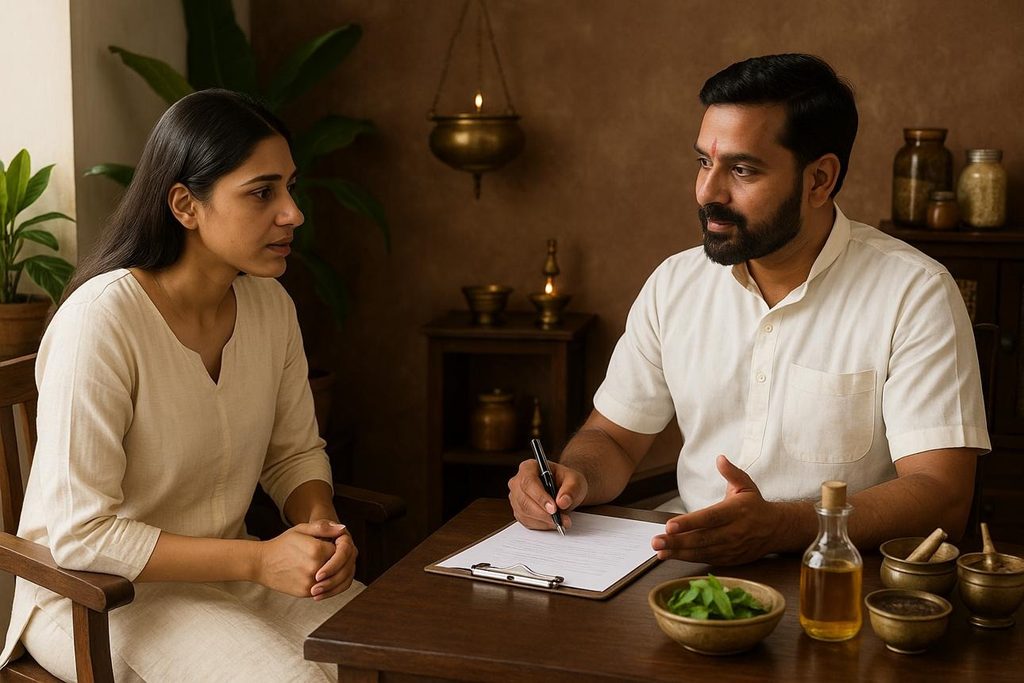
The practitioner reviews your symptoms, medical history, current medication, dietary habits and sleep pattern. This helps determine whether Panchakarma is appropriate and which procedures, if any, should be considered.
Step 2: Panchakarma preparation
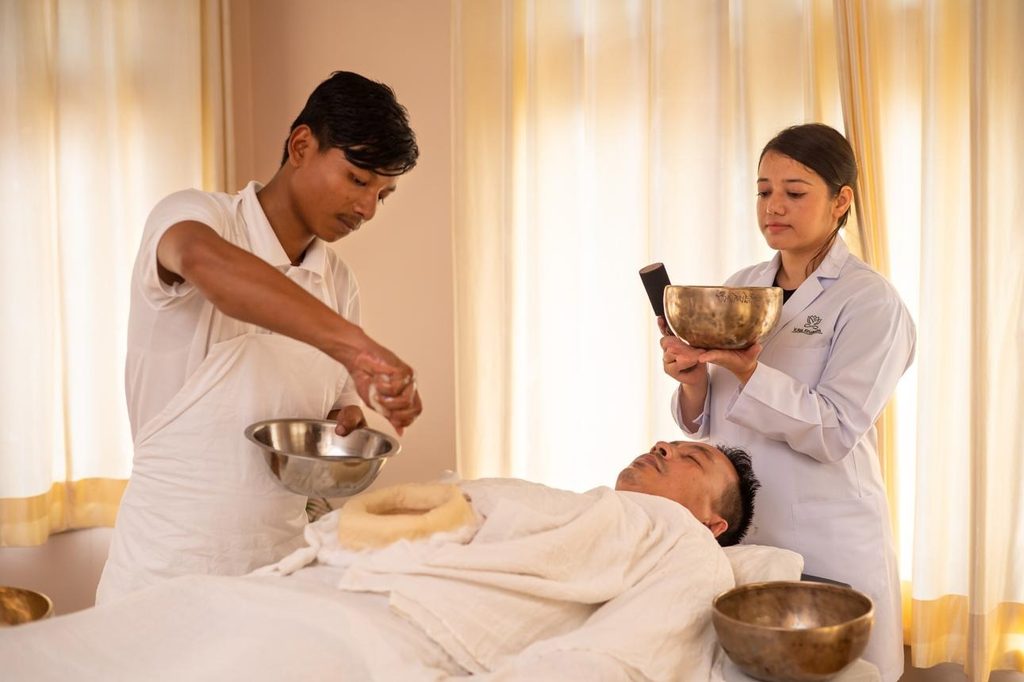
Depending on the plan, preparation may include selected external oil applications, dietary adjustments or other traditional preparatory procedures. Not every patient requires the same preparation, and some procedures may not be suitable for certain medical conditions.
Step 3: Selected therapeutic procedures
The procedures are performed according to the practitioner’s plan. Depending on the indication, traditional Panchakarma may include specialised interventions that require appropriate supervision and monitoring.
Step 4: Recovery and follow-up
Aftercare may involve guidance on meals, activity, rest and follow-up appointments. The practitioner should explain which symptoms to monitor and when to seek medical attention.
The duration and intensity of treatment depend on the selected procedures and individual circumstances. Panchakarma is not a standard package with identical steps for everyone.
If your main concern is poor sleep, ask the practitioner how the proposed treatment relates to your symptoms and how progress will be assessed.
Panchakarma Preparation: What Should You Know Before Starting?
Preparation deserves attention because Panchakarma may involve more than the treatment session itself.
Before beginning, share complete information about your health with the practitioner. This includes existing diagnoses, prescribed medication, supplements, allergies and previous treatment experiences.
You should also discuss any history of significant anxiety, persistent insomnia or other mental health concerns.
Depending on the proposed procedure, preparation may involve dietary modifications, adjustments to physical activity or specific traditional preparatory treatments. These should be prescribed individually rather than followed from an online checklist.
Keep these precautions in mind:
- Do not stop prescribed medication without guidance from the clinician responsible for your care.
- Avoid fasting, restrictive diets or intensive cleansing practices unless medically assessed and specifically recommended.
- Ask about possible side effects, contraindications and the expected recovery period.
- Check whether the practitioner has considered your age, medical conditions and physical capacity.
- Seek clarification about any herbal preparation, including its ingredients and potential interactions.
Be particularly cautious if you have a condition that affects hydration, nutrition, blood pressure, liver function or kidney function. Pregnancy and breastfeeding may also affect whether certain procedures or products are appropriate.
Natural does not automatically mean safe. The suitability of a procedure depends on what it involves and the health of the person receiving it.
What Are the Potential Panchakarma Benefits for People Experiencing Stress?
People exploring Panchakarma benefits often want to know whether treatment can help them feel calmer, sleep better and regain their energy.
These are understandable goals. However, the benefits should be discussed in proportion to the available evidence.
Potential areas of interest include:
Time dedicated to rest: A supervised treatment schedule may provide an opportunity to step away from ordinary responsibilities and focus on personal well-being.
Attention to everyday habits: Consultation may encourage a closer look at sleep routines, meal patterns, physical activity and other factors that contribute to general health.
An individualised approach: Treatment planning may take account of the person’s health history and circumstances rather than relying on one procedure for everyone.
A structured follow-up plan: Appropriate follow-up can help identify whether symptoms are changing and whether the plan needs to be reviewed.
These are possible supportive aspects of care, not proof that Panchakarma directly treats anxiety or insomnia.
There is also no guarantee that someone will experience improved sleep, reduced stress or lasting symptom relief after treatment.
A useful question to ask is not simply, “What are the Panchakarma benefits?” It is, “Which expected benefit is relevant to my condition, and how will we know whether the treatment is helping?”
That question encourages realistic expectations and more informed decisions.
Can You Manage Stress and Improve Sleep at Home?
You do not necessarily need an elaborate treatment plan to start addressing everyday stress. Small, repeatable changes can provide a useful foundation for better sleep and general well-being.
These measures may complement appropriate Ayurvedic care, but they are not substitutes for treatment when symptoms are persistent or severe.
Establish a Consistent Sleep Schedule
Try to wake up at approximately the same time each day. A consistent schedule can help support your body’s sleep-wake rhythm.
Create a bedtime routine that gives you time to wind down. If you find yourself worrying about unfinished tasks, write down what needs attention the following day rather than repeatedly reviewing it in bed.
If you remain awake and frustrated for a prolonged period, get up briefly and do something quiet in dim lighting. Return to bed when you feel sleepy.
Review Your Caffeine Intake
Coffee, tea, energy drinks and other caffeinated products can interfere with sleep, particularly when consumed later in the day.
Pay attention to when you consume caffeine and whether it affects your ability to fall asleep. Reducing afternoon and evening intake may help some people.
Make Space for Relaxation
Choose an activity that helps you shift away from the day’s demands. This might include gentle stretching, meditation, listening to music, spending time outdoors or practising comfortable breathing exercises.
The goal is not to force your mind to become completely quiet. It is to create a manageable transition between activity and rest.
Maintain Regular Physical Activity
Walking, gentle yoga, cycling and other suitable activities can support general health and may help with stress and sleep.
Choose something that fits your fitness level and daily schedule. If vigorous exercise close to bedtime makes you feel more alert, try exercising earlier.
Create Boundaries Around Work
When work follows you into the evening, your body may have little opportunity to settle before bedtime.
Where practical, set a stopping time for work, silence unnecessary notifications and avoid repeatedly checking messages when preparing to sleep.
These changes may seem ordinary, but consistency matters more than trying to transform every part of your routine overnight.
Is Panchakarma Better Than Other Treatments for Insomnia?
There is no single approach that is best for everyone. The right option depends on the cause, duration and severity of the sleep problem.
| Approach | Potential role | Important consideration |
| Lifestyle changes | Support healthier sleep habits and stress management | Usually work best when practised consistently |
| Relaxation practices | Help some people manage everyday tension | Do not replace treatment for clinical anxiety |
| Shirodhara | Traditional Ayurvedic relaxation procedure | Strong evidence for treating chronic insomnia is limited |
| Panchakarma | May be considered in selected Ayurvedic treatment plans | Not established as a standalone treatment for anxiety or chronic insomnia |
| CBT-I | First-line treatment for chronic insomnia | Uses structured techniques to address sleep-related thoughts and behaviours |
| Psychological therapy | May help with persistent anxiety and related difficulties | The approach depends on individual needs |
| Medical assessment | Identifies possible underlying causes and suitable treatment | Important when symptoms persist or affect daily life |
If your sleep difficulties have become a regular problem, it is worth understanding what is keeping them going.
For example, sleep problems related to shift work may require a different approach from those associated with persistent anxiety, chronic pain or an underlying sleep disorder.
Exploring Ayurvedic treatment for insomnia may be part of your decision-making process, but it should not prevent you from accessing treatments with stronger clinical evidence.
When Should You Seek Professional Help?
Occasional stress and restless nights are common. However, symptoms that persist or interfere with daily functioning deserve attention.
Consider seeking professional advice if you experience:
- Difficulty falling asleep or staying asleep regularly.
- Daytime exhaustion that affects work, studies or daily activities.
- Persistent worry that feels difficult to control.
- Repeated episodes of intense anxiety or panic.
- Ongoing low mood or loss of interest in usual activities.
- Sleep problems that continue despite changes to your routine.
- Increasing reliance on alcohol or non-prescribed substances to relax or sleep.
Chronic insomnia is generally characterised by sleep difficulties occurring at least three nights per week for three months or longer, despite adequate opportunity to sleep, along with associated daytime impairment. You do not need to wait three months before seeking help.
A healthcare professional can assess potential contributing factors, including medication effects, sleep disorders, anxiety, depression and other medical conditions.
If you are already receiving treatment, discuss any complementary Ayurvedic procedure with your healthcare team before starting it. Do not discontinue prescribed medication or delay necessary psychological or medical care.
Exploring Ayurvedic Care at Healing Earth Ayurveda Hospital, Bangalore
People considering Ayurvedic treatment for stress may want an approach that takes their daily routine, sleep difficulties and general health into account.
At Healing Earth Ayurveda Hospital in Bangalore, an Ayurvedic consultation can provide an opportunity to discuss your concerns and understand which traditional approaches may be suitable for your circumstances.
If you are considering Panchakarma, explain what you have been experiencing, how long the symptoms have lasted and whether they affect your concentration, work or sleep.
Ask about the proposed procedures, preparation, possible side effects, expected recovery and follow-up. If Shirodhara or another Ayurvedic therapy is being considered, discuss its intended purpose and the limitations of the available evidence.
The appropriate plan should be based on an individual assessment rather than an assumption that everyone experiencing stress needs the same treatment.
Interested in exploring Ayurvedic care?
Contact Healing Earth Ayurveda Hospital to discuss your concerns and available consultation options.
The aim should be to make an informed decision about your health, with realistic expectations and appropriate medical support whenever necessary.
Frequently Asked Questions
1. Can Panchakarma help reduce stress?
Panchakarma is a traditional Ayurvedic system that may be considered in selected individualised care plans. Some people may find the structured treatment environment and associated relaxation practices supportive. However, strong clinical evidence establishing Panchakarma as an effective standalone treatment for stress-related disorders is lacking.
2. Is Panchakarma effective for better sleep?
Panchakarma has not been established as a reliable treatment for chronic insomnia. Selected Ayurvedic approaches may be explored as complementary care when appropriate, but persistent sleep difficulties require assessment of possible underlying causes. CBT-I is a recommended first-line treatment for chronic insomnia.
3. What is the best Ayurvedic treatment for stress?
There is no single Ayurvedic treatment that is best for everyone. A qualified practitioner may consider lifestyle guidance, dietary recommendations or selected procedures according to the person’s health and symptoms. Persistent anxiety or severe stress may also require evidence-based psychological or medical treatment.
4. Can Shirodhara help with insomnia?
Shirodhara is a traditional Ayurvedic procedure that some people may find relaxing. However, strong clinical evidence supporting its use as a treatment for chronic insomnia is limited. It should not replace appropriate assessment or evidence-based insomnia treatment.
5. What are the main Panchakarma treatment steps?
Depending on the treatment plan, Panchakarma may involve an initial assessment, preparatory procedures, selected therapeutic interventions and recovery guidance. The exact steps and duration vary according to the person’s health and the procedures prescribed.
6. Is Panchakarma suitable for everyone?
No. Suitability depends on the individual’s health, age, medical conditions and the procedures involved. Some interventions may carry risks or be unsuitable for people with certain medical conditions. A qualified practitioner should assess your circumstances before treatment begins.
7. Can Panchakarma treat anxiety disorders?
Panchakarma has not been established as a standalone treatment for anxiety disorders. People experiencing persistent anxiety should seek an appropriate assessment. Evidence-based psychological therapies and, when indicated, medical treatment may be necessary.
8. How should I prepare for Panchakarma treatment?
Preparation depends on the prescribed procedures and may involve individualised dietary guidance, routine adjustments or traditional preparatory treatments. Discuss your medical history, medication, supplements and potential risks with the practitioner. Avoid unsupervised fasting or intensive cleansing practices.
9. Can I combine Panchakarma with prescribed medication?
That depends on the medication and the proposed procedures. Inform both your Ayurvedic practitioner and prescribing clinician about all treatments and supplements. Some herbal products may interact with medicines, and prescribed medication should not be stopped without medical guidance.
10. Where can I explore Panchakarma treatment in Bangalore?
Look for a qualified Ayurvedic practitioner who takes a detailed health history, explains the proposed procedures and discusses potential benefits, limitations and risks. At Healing Earth Ayurveda Hospital in Bangalore, you can contact the hospital to enquire about consultation options and whether an Ayurvedic approach is suitable for your needs.
Final Thoughts: Better Sleep Begins With Understanding Your Stress
Sometimes, the hardest part of a stressful day is not the work itself. It is the fact that your mind continues working long after everything else has stopped.
When this begins to affect your sleep, concentration and everyday life, it is worth looking beyond the occasional restless night and understanding what may be contributing to the problem.
Panchakarma offers a traditional Ayurvedic framework involving selected therapeutic procedures and individualised care. Depending on your circumstances, certain approaches may form part of a broader well-being routine. However, Panchakarma and Shirodhara should not be presented as proven cures for anxiety disorders or chronic insomnia.
Start by paying attention to your symptoms, building sustainable sleep habits and seeking professional advice when necessary. If you are considering Ayurvedic treatment, ask informed questions about the proposed procedures and their limitations.
The goal is not simply to feel relaxed for an hour. It is to find a safe, appropriate approach that supports your health and helps you manage everyday life more effectively.
Medical Disclaimer
This article is intended for general educational purposes only and does not replace professional medical advice, diagnosis or treatment. Evidence supporting Panchakarma and Shirodhara as treatments for anxiety disorders or chronic insomnia remains limited.
Consult a qualified healthcare professional if stress, anxiety or sleep difficulties persist or interfere with your daily activities. Discuss Ayurvedic procedures and herbal preparations with an appropriate practitioner, particularly if you take prescribed medication or have an existing medical condition. Do not discontinue prescribed treatment or delay necessary medical or mental health care in favour of complementary therapies.