
Medically Reviewed by: Dr. Ayesha Moona, BAMS
Resident Medical Officer, Healing Earth Multi-Specialty Ayurveda Hospital, Bangalore
About Dr. Ayesha Moona
Dr. Ayesha Moona is an Ayurvedic physician with two years of clinical experience. Her clinical interests include gynaecological disorders, lifestyle diseases, pain-related conditions, and Panchakarma. She has received training in Uttara Vasti and has assisted with traditional Ayurvedic procedures, including Kshara Karma, Kshara Sutra, Agnikarma, and Siravyadha.
At Healing Earth Multi-Specialty Ayurveda Hospital, Dr. Ayesha provides Ayurvedic care within her qualifications and scope of practice. Women experiencing menstrual irregularities or other possible PCOS symptoms should receive an appropriate medical assessment before deciding on treatment.
What Are PCOS and PCOD?
Polycystic ovary syndrome (PCOS) is a hormonal condition that can affect menstrual cycles, ovulation, skin health, hair growth, and metabolic health. Some women experience irregular periods, acne, unwanted facial hair, or difficulty conceiving. Others may have fewer noticeable symptoms.
PCOD, or polycystic ovarian disease, is a term commonly used in India to describe symptoms associated with polycystic ovaries. In everyday conversation, PCOD and PCOS are often used interchangeably. However, PCOS is the established medical term used in clinical guidelines.
Understanding the PCOD vs PCOS difference can be confusing because the terms are frequently treated as separate conditions. A diagnosis of PCOS requires an appropriate clinical assessment. An ultrasound showing multiple small ovarian follicles does not automatically mean a person has PCOS.
Women experiencing persistent menstrual irregularities, acne, unexplained weight changes, or other possible symptoms should consult a qualified healthcare professional. An appropriate medical assessment can help identify the cause and determine whether further care through general and internal medicine is suitable.
What Are the Common Symptoms of PCOS and PCOD?
PCOS symptoms vary from person to person. Some women experience changes in their menstrual cycles, while others notice skin, hair, weight, or fertility-related concerns.
Common symptoms of PCOS and symptoms of PCOD include:
Irregular periods: Menstrual cycles may become unpredictable, occur infrequently, or stop for several months.
PCOS-related acne: Persistent acne may be associated with elevated androgen levels.
Unwanted facial or body hair: Some women develop increased hair growth because of hormonal changes.
Hair thinning: Scalp hair may become thinner in some individuals.
Weight changes: Weight gain with PCOS can occur, although PCOS also affects women who are not overweight.
Fertility difficulties: Irregular ovulation may make conception more difficult for some women.
Metabolic concerns: Insulin resistance and PCOS can occur together and may affect blood glucose regulation.
These symptoms can have other causes and should not be used alone to diagnose PCOS. A healthcare professional may review menstrual history, perform an examination, and recommend blood tests or other investigations based on individual needs.
Can Ayurveda Help Manage PCOS Symptoms Naturally?
PCOS treatment with Ayurveda is an approach some women explore alongside dietary changes, physical activity, stress management, and conventional medical care. Traditional Ayurvedic practice may include recommendations related to food habits, daily routines, and selected therapies based on an individual’s health assessment.
However, scientific evidence supporting specific Ayurvedic medicines and procedures for treating PCOS remains limited. Ayurveda should not be described as a proven cure for PCOS or used as a replacement for appropriate medical assessment and evidence-based treatment.
An Ayurvedic consultation may provide an opportunity to discuss general wellness practices and whether particular traditional therapies are appropriate. The proposed approach should take into account the person’s symptoms, medical history, current medicines, and treatment goals.
Women considering traditional therapies can learn more about the hospital’s Panchakarma treatment options and discuss their suitability with a qualified healthcare professional.
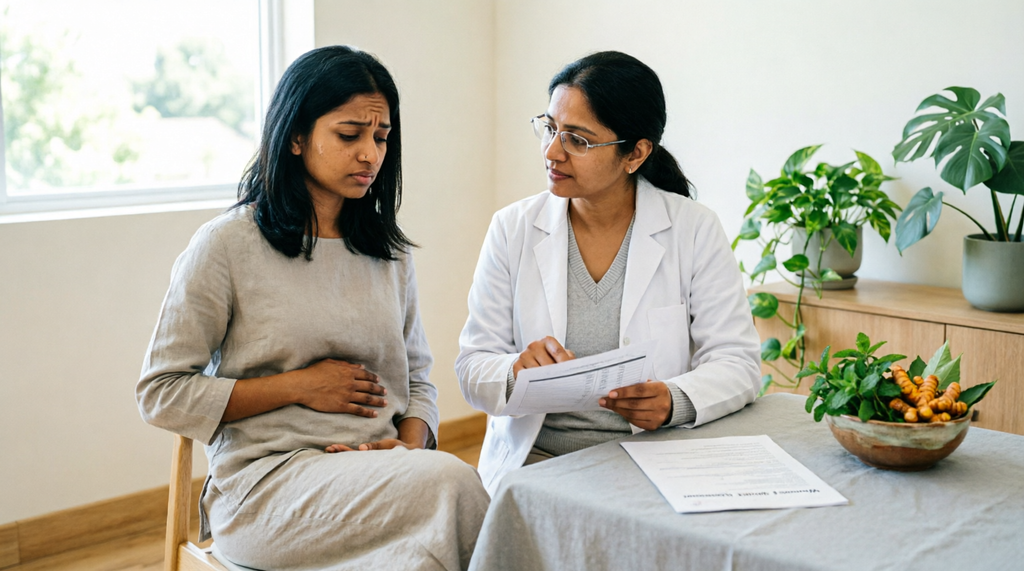
What May Be Included in an Ayurvedic Approach to PCOS?
An individualised Ayurvedic care discussion may cover:
- Dietary habits and balanced nutrition.
- Regular sleep and daily routines.
- Physical activity and stress management.
- Traditional therapies, where appropriate after a careful assessment.
- Follow-up and coordination with other healthcare professionals when needed.
These measures should not be treated as a guaranteed way to correct hormonal imbalance or restore fertility. The suitability of each treatment depends on the individual, and evidence for specific PCOS outcomes must be considered carefully.
What Is the Role of an Ayurvedic Diet for PCOS?
An Ayurvedic diet for PCOS may interest women looking for practical ways to improve their eating habits. However, there is no single diet proven to treat PCOS in everyone.
A balanced eating pattern can support general health and may help manage metabolic risk factors. Dietary choices should suit a person’s nutritional needs, food preferences, lifestyle, and other medical conditions.
Practical Dietary Habits to Consider
Include fibre-rich foods. Vegetables, whole grains, beans, lentils, and fruit can contribute to balanced meals.
Choose suitable protein sources. Dal, pulses, beans, eggs, dairy products, tofu, fish, or other appropriate options can help make meals satisfying.
Include healthy fats. Nuts, seeds, and suitable amounts of unsaturated oils can form part of a balanced diet.
Limit excess added sugar. Reducing frequent sugary drinks and highly processed snacks may support overall health.
Avoid extreme diets. Crash diets, prolonged fasting, and unnecessary food restrictions may create nutritional problems and can be difficult to maintain.
A PCOD diet plan based on Ayurveda should not rely on individual foods, herbal drinks, or detox regimens as a substitute for medical care. A qualified healthcare professional or registered dietitian can provide advice tailored to individual requirements.
PCOS, Hormonal Imbalance, and Insulin Resistance
PCOS causes hormonal imbalance that may affect ovulation and menstrual regularity. More precisely, PCOS is associated with hormonal changes, including elevated androgen levels in some women. These changes can contribute to acne, unwanted hair growth, and scalp hair thinning.
Insulin resistance and PCOS can also occur together. Insulin resistance means the body’s cells respond less effectively to insulin, which helps regulate blood glucose. This may contribute to metabolic concerns in some women with PCOS.
Not every woman with PCOS has insulin resistance, and body weight alone cannot determine whether it is present.
Depending on symptoms and risk factors, a healthcare professional may recommend checking blood glucose, cholesterol, blood pressure, or other indicators of health. These assessments can help identify concerns that may require treatment or monitoring.
Although lifestyle changes may support metabolic health, claims that a particular Ayurvedic treatment reliably corrects hormonal imbalance should be approached cautiously. A suitable management plan depends on the person’s diagnosis and clinical needs.
Can Ayurveda Help With Irregular Periods?
Irregular periods are a common reason women search for a natural treatment for irregular periods. PCOS is one possible cause, but menstrual changes can also be associated with thyroid disorders, elevated prolactin, pregnancy, stress, significant weight changes, and other conditions.
Ayurvedic treatment for irregular periods should therefore be considered only after the underlying cause has been assessed appropriately.
Depending on the diagnosis, management may include lifestyle recommendations, prescribed medication, treatment of an underlying condition, or support for fertility goals. Women with PCOS may also need guidance about prolonged gaps between periods and potential risks to uterine health.
Consult a healthcare professional if your periods are repeatedly irregular or you have gone three months without a period and are not pregnant. Seek prompt medical attention for very heavy bleeding, severe pelvic pain, dizziness, or fainting.
What Lifestyle Changes Can Help Manage PCOS Symptoms?
Lifestyle changes for PCOS should be realistic, sustainable, and suited to individual needs. There is no requirement to follow a strict routine or achieve a particular body weight before seeking medical advice.
Regular Physical Activity
Walking, cycling, swimming, strength training, and other enjoyable activities can support cardiovascular and metabolic health. Start at a comfortable level and increase activity gradually.
Yoga for PCOS
Yoga for PCOS may provide physical activity and relaxation for some women. Regular practice may help with stress management and general well-being, but evidence that yoga alone treats PCOS or restores ovulation is limited.
Choose activities that suit your fitness level and discuss any concerns with a healthcare professional.
Consistent Sleep Habits
A regular sleep schedule can support general health. Persistent fatigue, loud snoring, or excessive daytime sleepiness should be discussed with a healthcare professional.
Stress Management
Living with unpredictable periods, acne, weight changes, or fertility concerns can be emotionally challenging. Relaxation practices, counselling, social support, and enjoyable activities may help some women manage stress.
PCOS is a medical condition, not a personal failure. Its symptoms should not be attributed simply to poor lifestyle choices.
Regular Health Reviews
PCOS management may include monitoring menstrual patterns, blood pressure, glucose regulation, cholesterol, and other health concerns according to individual risk. Regular reviews can help determine whether the management plan remains appropriate.
PCOS and Fertility: What Should Women Know?
PCOS can affect ovulation, making conception more difficult for some women. However, a PCOS diagnosis does not mean pregnancy is impossible. Many women with PCOS conceive, sometimes with medical support.
Women planning a pregnancy should discuss their goals with a qualified healthcare professional. An assessment may consider ovulation, other fertility factors, metabolic health, and the safety of current medicines or supplements.
Be cautious of treatment programmes or herbal products that promise guaranteed conception, permanent correction of hormonal imbalance, or a fixed timeline for restoring periods. Such outcomes cannot be guaranteed.
Ayurvedic approaches may sometimes be considered as complementary care, but they should not delay fertility assessment or established treatment. Always disclose herbal products and traditional therapies to the healthcare professionals involved in your care.
When Should You Consult a Doctor for PCOS Symptoms?
Consider seeking a medical assessment if you experience:
- Repeatedly irregular or missed periods.
- Persistent acne or unwanted facial hair.
- Noticeable scalp hair thinning.
- Unexplained weight changes or concerns about blood glucose.
- Difficulty conceiving or questions about ovulation.
- Symptoms that are worsening or affecting daily life.
A qualified healthcare professional can assess possible causes and explain appropriate PCOS management options. Depending on your needs, this may involve a gynaecologist, endocrinologist, primary care doctor, registered dietitian, or another qualified professional.
Seek urgent medical attention for severe or sudden pelvic pain, very heavy bleeding, fainting, or other serious symptoms.
Women’s Health and Ayurvedic Care at Healing Earth, Bangalore
Women searching for PCOS treatment in Bangalore or PCOD treatment in Bangalore should first understand the possible cause of their symptoms and the treatment options available. If you are exploring Ayurvedic care, ask about the clinician’s qualifications, the evidence supporting the proposed treatment, possible risks, and whether coordination with conventional medical care is recommended.
Healing Earth Multi-Specialty Ayurveda Hospital in HSR Layout, Bengaluru, offers Ayurvedic healthcare services, including women’s health care. You can learn more about the Gynaecology and Obstetrics department and explore the Healing Earth team of doctors.
Dr. Ayesha Moona, BAMS, Resident Medical Officer, has two years of clinical experience. Her clinical interests include gynaecological disorders, lifestyle diseases, pain-related conditions, and Panchakarma. Her profile supports mentioning her general clinical experience and interests, but does not establish that she is a specialist in PCOS.
If you are looking for an Ayurvedic doctor for PCOS in Bangalore, Contact Healing Earth Ayurveda Hospital to enquire about the appropriate clinician for your concerns and confirm current consultation availability before booking. An individual assessment is important before deciding whether any traditional therapy is suitable.
Patients considering Panchakarma treatment should understand that Panchakarma is not a proven cure for PCOS and should not replace established gynaecological care.
Women searching for PCOS treatment in HSR Layout, PCOD treatment in HSR Layout, or an Ayurvedic hospital for women’s health in Bangalore can contact the hospital to enquire about its services and consultation arrangements. The appropriate care plan depends on the individual’s symptoms, diagnosis, and health goals.
What Is the PCOS Treatment Cost in Bangalore?
The PCOS treatment cost in Bangalore varies according to the type of consultation, investigations required, prescribed treatment, follow-up appointments, and individual healthcare needs. There is no single cost that applies to every patient.
Before beginning treatment, ask the healthcare provider about consultation charges, any recommended investigations, the expected follow-up schedule, and the cost of medicines or procedures. Contact Healing Earth directly for its current consultation fees and service details rather than relying on an estimated price.
Frequently Asked Questions
What is the difference between PCOS and PCOD?
PCOS stands for polycystic ovary syndrome and is the established medical term for a hormonal condition that can affect menstrual and metabolic health. PCOD is commonly used in India and may be used interchangeably with PCOS. A clinical assessment is necessary to establish a diagnosis.
Can Ayurveda help manage PCOS symptoms naturally?
Ayurvedic care may include discussions about diet, daily routines, physical activity, and traditional therapies. However, evidence supporting specific Ayurvedic treatments for PCOS remains limited. Discuss complementary care with a qualified healthcare professional and do not delay recommended treatment.
What diet is recommended for women with PCOS?
A balanced diet that includes vegetables, fibre-rich foods, protein sources, whole grains, and healthy fats can support general health. No single Ayurvedic diet has been proven to treat PCOS in everyone. Dietary advice should be tailored to individual needs.
Can PCOS cause weight gain and acne?
Yes. Some women with PCOS experience weight gain, while elevated androgen levels may contribute to acne and unwanted hair growth. These symptoms can also have other causes, so an appropriate assessment is important.
Can Ayurveda help with irregular periods caused by PCOS?
Evidence supporting specific Ayurvedic treatments for regulating PCOS-related periods is limited. A healthcare professional should assess the cause of irregular periods and discuss appropriate treatment options.
Can Ayurveda be used alongside conventional PCOS treatment?
Some complementary approaches may be considered alongside conventional care after discussion with a healthcare professional. Disclose all medicines and herbal products you use because interactions and other safety concerns are possible. Do not stop prescribed treatment without medical advice.
When should women with PCOS consult a doctor?
Consult a healthcare professional for recurring irregular periods, persistent acne, unwanted facial hair, scalp hair thinning, fertility concerns, or possible metabolic symptoms. Seek assessment for prolonged absence of periods and urgent care for severe pelvic pain, very heavy bleeding, or fainting.
Is Ayurvedic treatment effective for PCOS-related menstrual irregularities?
The effectiveness of specific Ayurvedic treatments for PCOS-related menstrual irregularities has not been established by strong clinical evidence. Decisions should consider the diagnosis, potential risks, available evidence, and the person’s health goals.
What is the PCOS treatment cost in Bangalore?
The cost depends on consultation fees, investigations, medicines, procedures, and follow-up requirements. Contact the hospital directly for current charges and an explanation of any recommended treatment costs.
Book a Women’s Health Consultation
PCOS can affect each woman differently. Understanding your symptoms, receiving an appropriate medical assessment, and choosing a suitable care plan are important first steps.
Healing Earth Multi-Specialty Ayurveda Hospital provides Ayurvedic healthcare services in HSR Layout, Bangalore. Contact the hospital to enquire about women’s health services and the appropriate consultation for your concerns.
Medical Disclaimer
This article is intended for general educational purposes and does not replace professional medical advice, diagnosis, or treatment. PCOS symptoms and treatment needs vary from person to person. Consult a qualified healthcare professional for an individual assessment before starting or changing any treatment.
Ayurvedic medicines, herbal products, and traditional procedures may carry risks and may interact with prescribed medicines. Do not stop or change prescribed medication without consulting your treating healthcare professional.
Healing Earth Multi-Specialty Ayurveda Hospital Healing Earth (Prithvi Healthcare Pvt. Ltd.) No. 149, 5th Sector, HSR Layout, HSR Ring Road, Bengaluru 560034, Karnataka, India Phone: +91 78999 03943 Website: https://healingearth.co.in/