
You have probably heard that a particular herb can lower blood sugar. Perhaps someone recommended bitter gourd juice in the morning, fenugreek seeds before breakfast, or an Ayurvedic powder that supposedly works better than conventional medicine.
The claims sound convincing. The ingredients are familiar. And the idea of managing diabetes with something natural can be appealing.
But here is the question worth asking before adding anything to your daily routine: Can Ayurvedic herbs actually help control blood sugar, and how do you know whether they are safe?
The answer is more complicated than many herbal product labels suggest.
Certain herbs have been studied for their possible effects on blood glucose levels. Some have a long history of traditional use in Ayurveda. However, the quality of scientific evidence varies considerably, and the results from small studies cannot establish that an herb is an effective or safe diabetes treatment for everyone.
This distinction matters if you are exploring Ayurveda for diabetes, searching for natural remedies for diabetes, or trying to understand how to reduce blood sugar naturally without putting your health at risk.
In this guide, we examine commonly discussed Ayurvedic herbs, their potential benefits, their safety limitations, and how they may fit into a responsible diabetes management plan.
Medically reviewed by Dr. Ayesha Moona, BAMS, Resident Medical Officer, Healing Earth Ayurveda Hospital, Bangalore.
Can Ayurvedic Herbs Help Control Blood Sugar?
Some Ayurvedic herbs may influence blood glucose regulation, but the available evidence does not establish that herbal remedies can reliably control diabetes on their own.
Researchers have investigated several plants traditionally used for metabolic health, including fenugreek, bitter gourd, gudmar, turmeric, amla and jamun. Some studies report possible improvements in blood glucose measurements, but results differ according to the herb, preparation, dosage, study design and participant characteristics.
There is an important difference between three things:
- Traditional use: An herb has been used for a particular purpose in Ayurvedic practice.
- Potential benefit: Preliminary research suggests that it may affect a health marker.
- Established treatment: Strong clinical evidence supports its effectiveness and safety for a defined medical use.
These categories are not interchangeable.
For someone with type 2 diabetes, an Ayurvedic physician may consider dietary changes, physical activity, lifestyle guidance and selected herbal preparations as part of an individualized care plan. However, these approaches should not replace prescribed diabetes medication or recommended blood glucose monitoring.
People with type 1 diabetes require insulin. No Ayurvedic herb can be considered a substitute for it.
The practical question, therefore, is not whether a herb is natural. It is whether the available evidence supports its use, whether it is appropriate for your health condition, and whether it can be used safely alongside your existing treatment.
Why Do Blood Sugar Levels Rise in the First Place?
Before looking at Ayurvedic herbs for diabetes, it helps to understand what happens inside the body.
When you eat, your digestive system breaks down carbohydrates into glucose. This glucose enters the bloodstream and provides energy to your cells.
Insulin, a hormone produced by the pancreas, helps move glucose from the blood into cells.
In type 2 diabetes, the body may develop insulin resistance. This means the cells respond less effectively to insulin. Over time, the pancreas may also struggle to produce enough insulin to keep blood glucose levels within the desired range.
Several factors can influence blood sugar management, including:
- Food choices and carbohydrate portions
- Physical inactivity
- Excess body weight, where relevant
- Family history and genetic factors
- Poor sleep and ongoing stress
- Certain medications and medical conditions
- Changes in insulin production and sensitivity
This explains why diabetes control involves more than avoiding sweets.
A person may rarely eat desserts but still experience elevated blood glucose levels because of insulin resistance, the overall carbohydrate intake, disease progression or other health factors.
Understanding the causes and symptoms of diabetes helps people make informed decisions about diet, lifestyle and treatment instead of relying on a single remedy.
6 Ayurvedic Herbs for Diabetes: Benefits and Safety Facts
Several herbs are traditionally discussed in Ayurveda in relation to metabolic health. Some have also been examined in scientific studies for their possible effects on blood glucose levels.
However, research findings should be interpreted carefully. Evidence for one preparation cannot automatically be applied to every powder, tablet, juice or supplement containing the same plant.
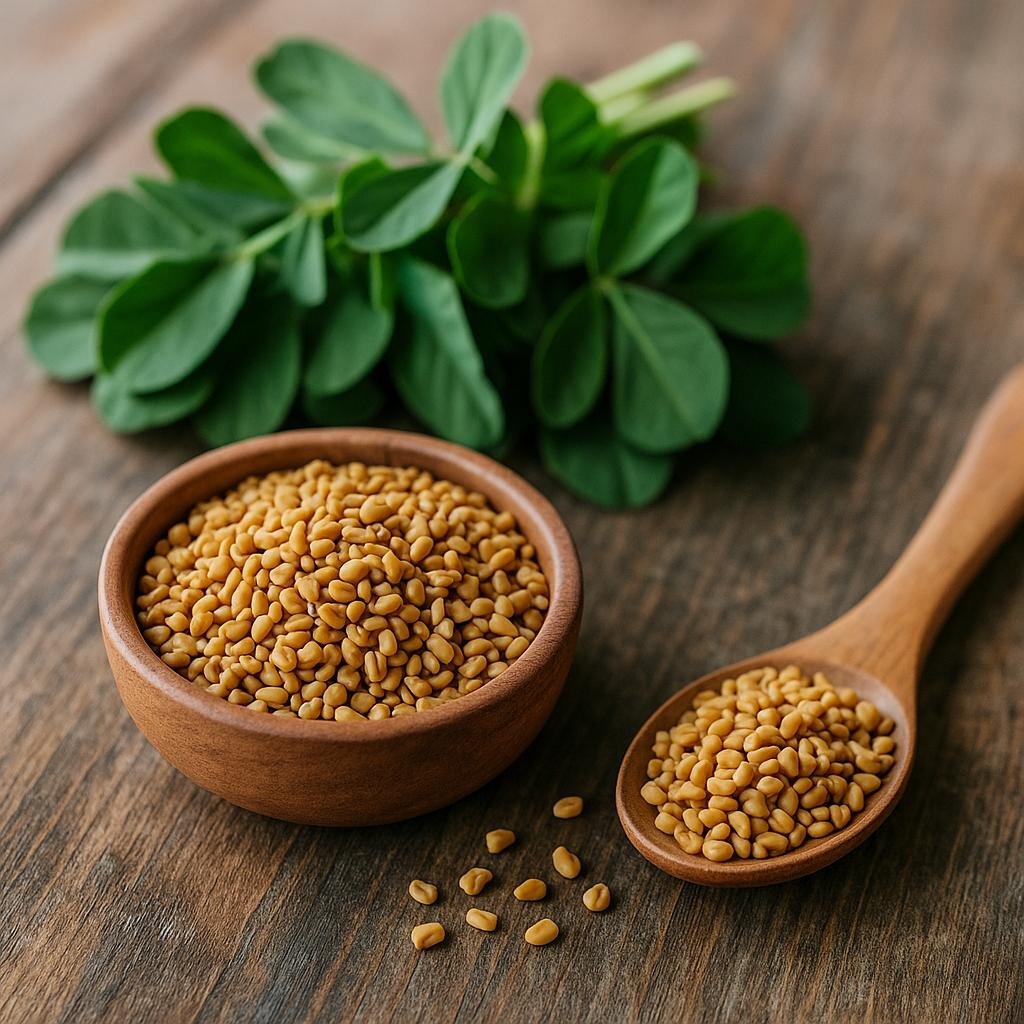
1. Fenugreek (Methi)
Traditional use: Dietary and metabolic support
Fenugreek seeds contain soluble fibre and other compounds that may influence carbohydrate digestion and glucose responses after meals. Some clinical studies suggest possible improvements in blood glucose measurements, but the evidence is not strong enough to establish fenugreek as a standalone diabetes treatment.
Safety fact: Concentrated supplements may cause digestive discomfort and may increase the risk of low blood sugar when combined with diabetes medicines. Fenugreek can also interact with certain medications and may be unsuitable during pregnancy in medicinal amounts.
2. Bitter Gourd (Karela)
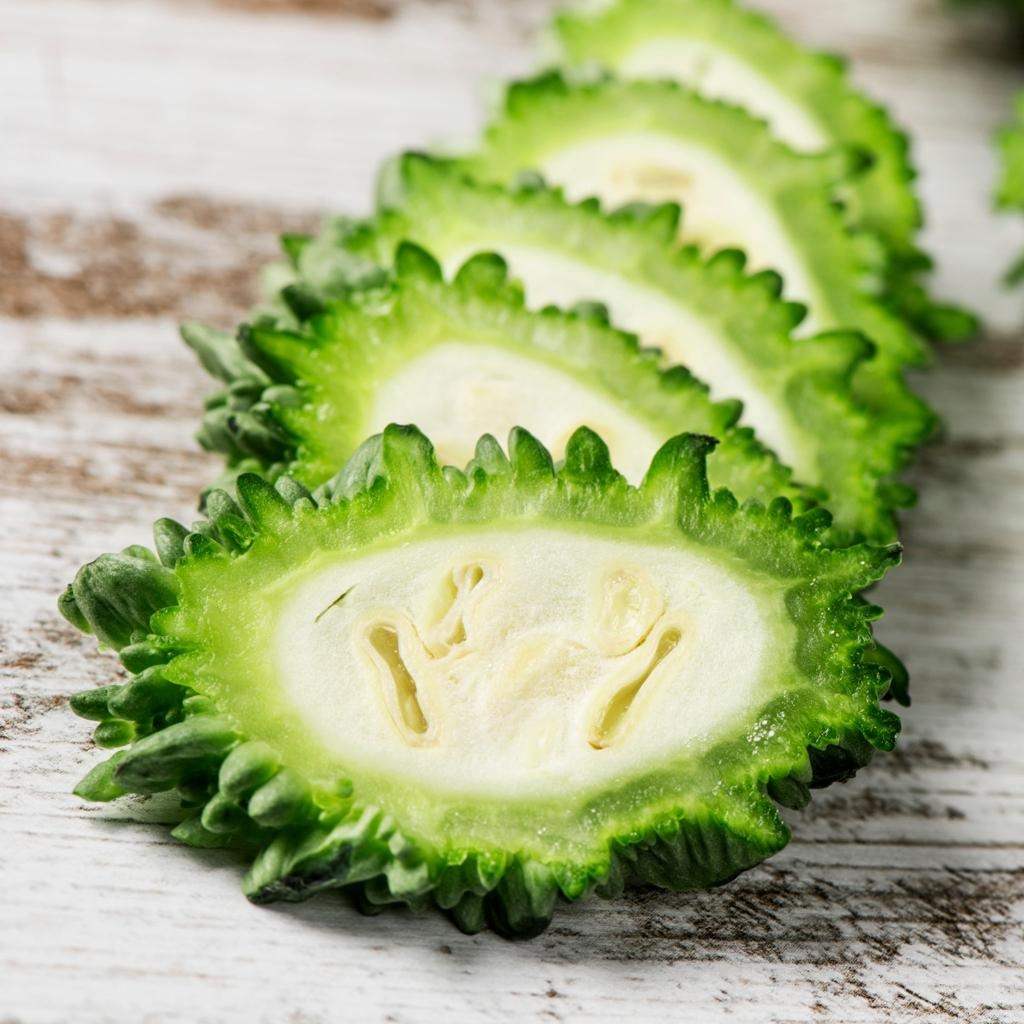
Traditional use: Dietary support for metabolic health
Bitter gourd is commonly discussed in traditional approaches to blood sugar management. Laboratory and early clinical research has explored compounds that may influence glucose metabolism. However, human studies have produced inconsistent findings, and bitter gourd has not been established as a reliable replacement for diabetes medication.
Safety fact: Bitter gourd consumed in concentrated preparations or supplements may cause digestive symptoms and potentially contribute to low blood sugar. People taking glucose-lowering medicines should consult their healthcare professional before using it medicinally.
3. Gudmar (Gymnema sylvestre)
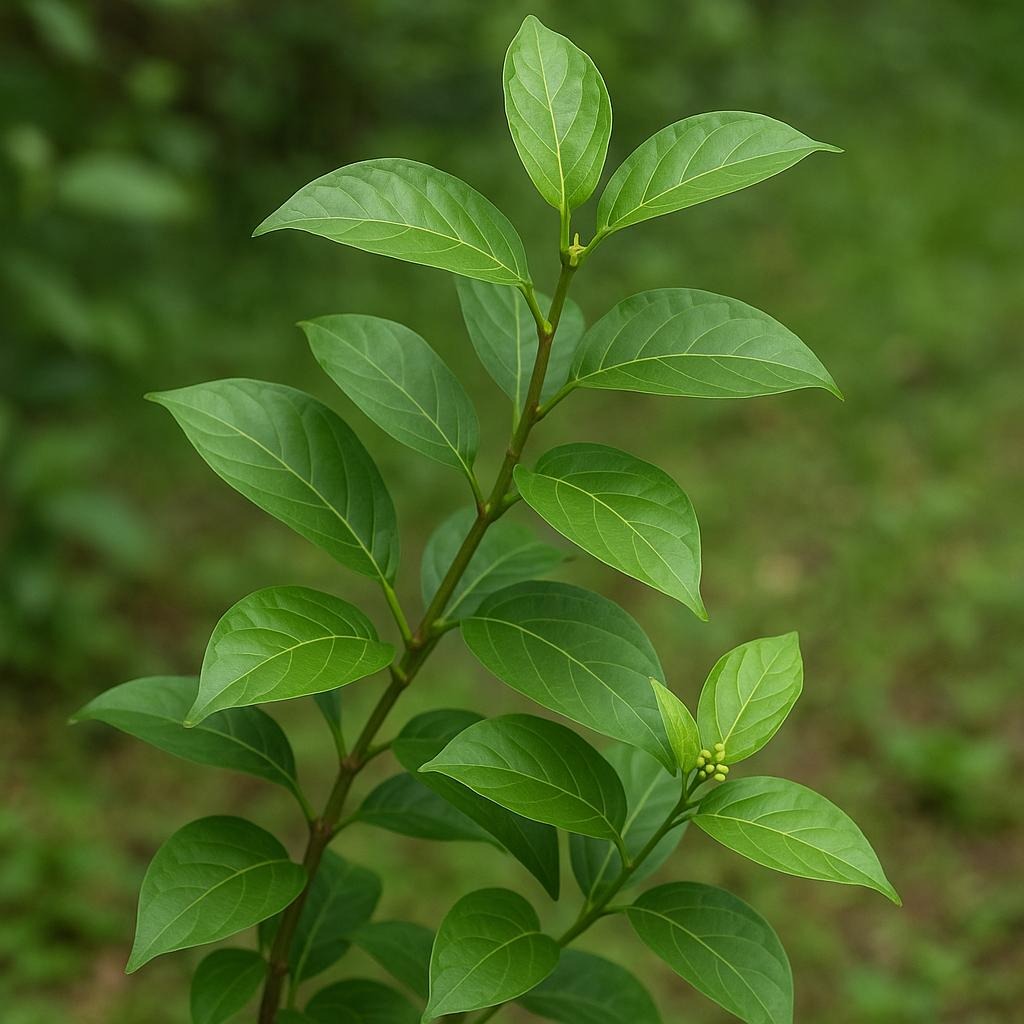
Traditional use: Support for sugar-related metabolic concerns
Gudmar is a medicinal plant traditionally used in Ayurveda. Researchers have studied its possible effects on glucose regulation and the perception of sweetness. Some preliminary findings are promising, but larger, well-designed human trials are needed to establish its effectiveness and long-term safety for diabetes.
Safety fact: Gudmar may affect blood glucose and increase the risk of hypoglycaemia when combined with diabetes medication. Supplement quality and concentration can also vary.
4. Amla (Indian Gooseberry)
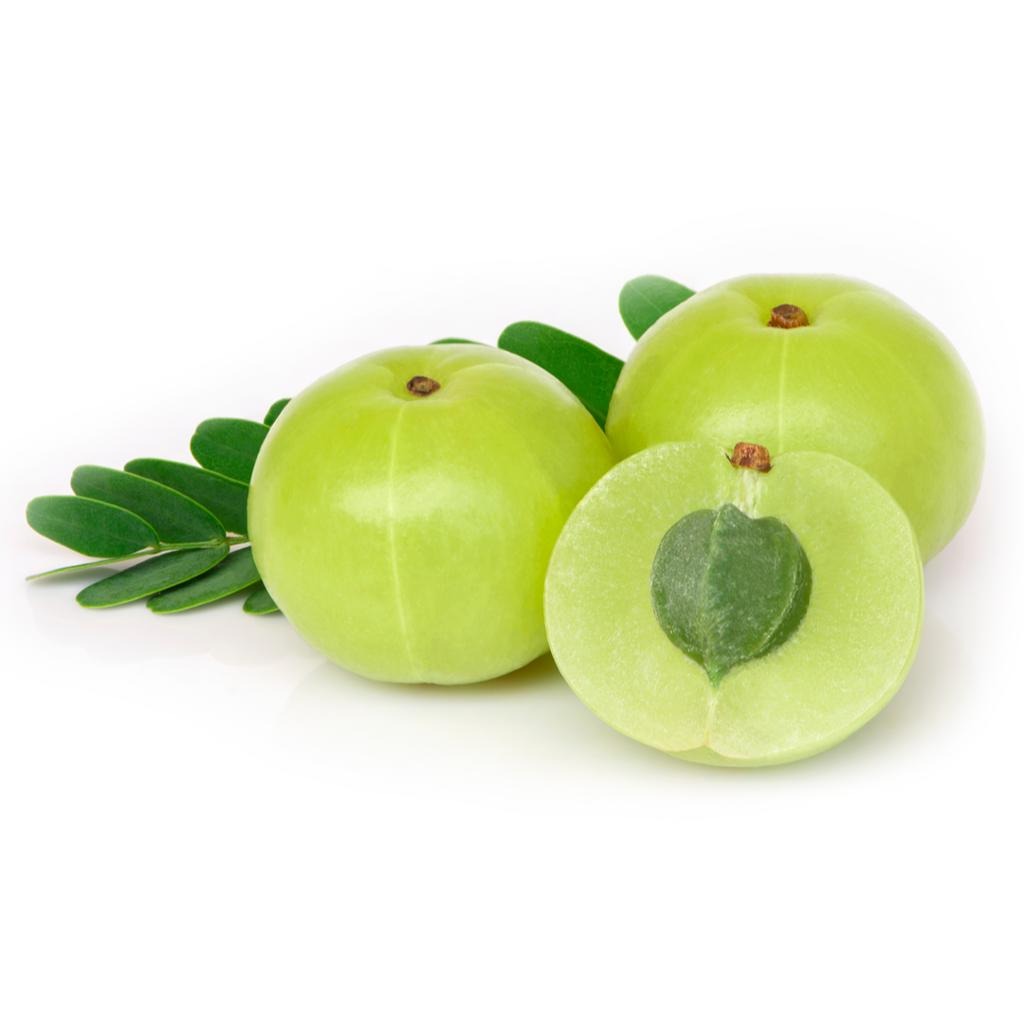
Traditional use: Dietary and antioxidant support
Amla contains vitamin C and other plant compounds. It has been studied for its possible effects on metabolic markers, including blood glucose and blood lipids. However, evidence remains insufficient to conclude that amla alone provides dependable diabetes control.
Safety fact: Amla can be included as a food for many people, but concentrated extracts require more caution. Discuss supplements with your healthcare professional if you take medicines that lower blood glucose or affect blood clotting.
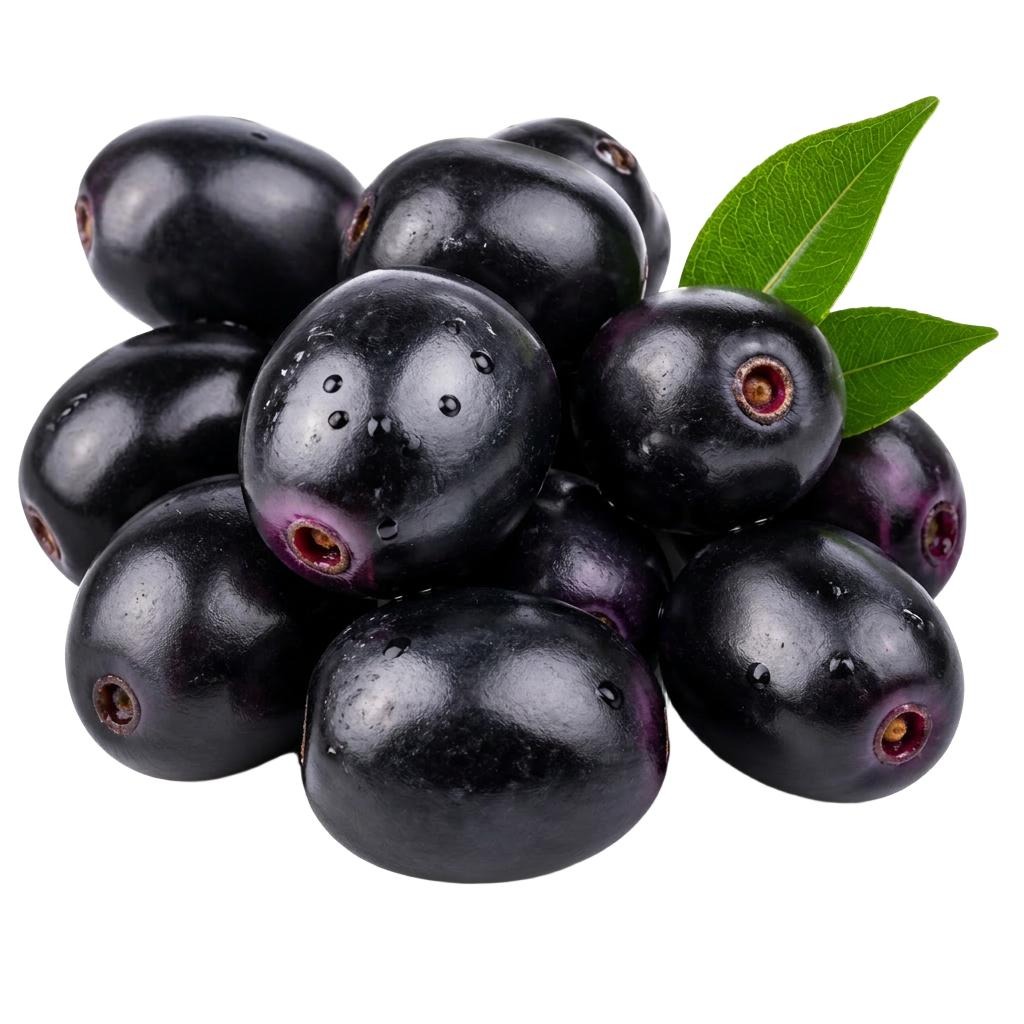
5. Jamun (Indian Blackberry)
Traditional use: Fruit and seed preparations for metabolic health
Jamun fruit and seed preparations are widely discussed in traditional diabetes remedies. Preliminary research has investigated their possible effects on glucose metabolism, but reliable evidence supporting jamun as an effective diabetes treatment remains limited.
Safety fact: Eating whole jamun as part of a balanced diet is different from taking a concentrated seed powder or extract. Do not use jamun preparations to replace prescribed medication or assume they will normalise blood glucose.
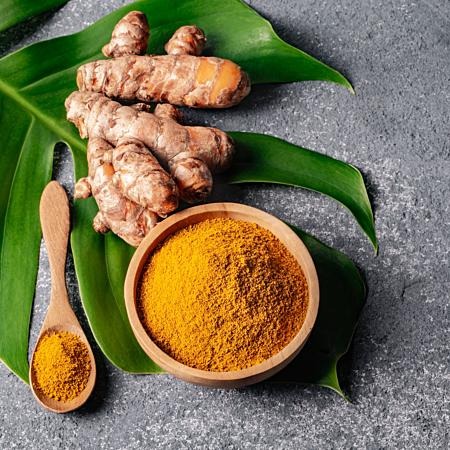
6. Turmeric (Haridra)
Traditional use: Dietary and inflammatory health support
Turmeric contains curcumin, a compound studied for its biological and anti-inflammatory effects. Some studies have explored its potential role in metabolic health, but findings do not establish turmeric as a dependable treatment for diabetes or a substitute for glucose-lowering medication.
Safety fact: High-dose curcumin supplements may cause gastrointestinal symptoms and interact with medications, including some blood-thinning medicines. Certain formulations have also been associated with liver injury.
Which Ayurvedic Herb Is Best for Diabetes?
There is no single herb that can be identified as the best Ayurvedic medicine for diabetes for everyone.
Fenugreek may have different effects from gudmar. Bitter gourd preparations may vary significantly in concentration. A supplement that appears suitable for one person may be inappropriate for someone with kidney disease, liver disease, pregnancy, or a history of hypoglycaemia.
This is why Ayurvedic medicine for diabetes should not be selected solely on the basis of online reviews, social media recommendations or claims that a product works quickly.
A qualified healthcare professional can assess your medical history, current blood glucose levels, existing medication and treatment goals before discussing whether a particular herbal preparation is appropriate.
Do Ayurvedic Herbs Really Lower Blood Glucose Levels?
This is where it becomes important to separate research findings from marketing claims.
Some studies suggest that certain herbs may influence fasting blood glucose, post-meal glucose or other metabolic measurements. However, the results cannot be generalised to every person with diabetes.
The effect may depend on:
- The exact plant species and preparation
- The amount taken and duration of use
- The person’s existing health conditions
- Whether other diabetes medicines are being used
- The quality and purity of the product
- The design and quality of the available research
For example, a small study reporting an improvement in fasting blood glucose does not establish that an herb prevents diabetes complications, reduces the need for insulin or produces lasting remission.
Blood glucose levels also fluctuate naturally throughout the day. One lower reading after taking an herbal preparation does not prove that the preparation caused the change.
If you are monitoring blood sugar management, look at the overall pattern of readings and your longer-term HbA1c results with your healthcare professional.
The key takeaway: Ayurvedic herbs may have potential, but their role in diabetes care needs to be assessed individually. Strong treatment decisions should not be based on isolated research findings or exaggerated product claims.
What Are the Symptoms of Diabetes You Should Not Ignore?
Some people discover high blood glucose during routine testing because early type 2 diabetes may produce few noticeable symptoms.
Others experience symptoms that gradually become more difficult to ignore.
Common symptoms of diabetes include:
- Increased thirst
- Frequent urination
- Unusual tiredness
- Increased hunger
- Blurred vision
- Unexplained weight loss
- Slow-healing wounds
- Recurrent infections
These symptoms can have other causes, so they should not be used to diagnose diabetes without appropriate testing.
If you experience possible symptoms of diabetes, arrange a medical assessment. A healthcare professional may recommend tests such as fasting plasma glucose, HbA1c or other investigations based on your condition.
Do not delay testing while experimenting with natural remedies for diabetes. Early diagnosis and appropriate treatment can help reduce the risk of long-term complications.
Can Ayurveda Help With Type 2 Diabetes?
Ayurveda has a traditional framework for discussing metabolic conditions, including Prameha and Madhumeha. These concepts are important in Ayurvedic literature, but they should not be treated as exact equivalents of modern medical diagnoses.
Ayurveda for diabetes may involve individualised recommendations related to food, daily routine, physical activity and selected herbal preparations or therapies.
Depending on the person’s condition, an Ayurvedic physician may assess:
- Dietary patterns and portion sizes
- Physical activity and sedentary habits
- Sleep quality and stress
- Current blood glucose measurements
- Existing medicines and supplements
- Other health conditions
- The person’s broader Ayurvedic assessment
An Ayurvedic treatment for type 2 diabetes should be approached as a potential complementary component of care, not as a guaranteed cure.
Modern diabetes treatment may involve nutrition therapy, physical activity, oral medicines, injectable medicines or other interventions depending on the individual’s needs. Ayurveda should be integrated carefully when a person chooses to pursue it.
If your blood glucose remains elevated, delaying effective treatment to try multiple herbal products may increase your risk of complications.
What Is Prameha and Madhumeha in Ayurveda?
Prameha is a group of disorders described in classical Ayurvedic literature, while Madhumeha is discussed within this broader framework.
Traditional descriptions consider factors such as bodily characteristics, urine-related changes, diet and lifestyle. Ayurvedic practitioners may use this framework when assessing an individual and developing a treatment plan.
However, Prameha treatment should not be presented as interchangeable with modern diabetes care.
A person diagnosed with diabetes needs appropriate clinical assessment, laboratory testing and ongoing monitoring. Traditional terminology alone cannot establish whether blood glucose is controlled or whether complications are developing.
If you are interested in Ayurveda for diabetes management, discuss your concerns with a qualified Ayurvedic physician who understands the importance of existing medical treatment and appropriate follow-up.
Ayurvedic Treatment for Diabetes: What May It Include?
Ayurvedic treatment for diabetes is not necessarily limited to herbal medicines.
Depending on the individual’s assessment, the approach may include dietary guidance, lifestyle modification, activity recommendations, selected Ayurvedic preparations and follow-up consultations.
The treatment plan should consider the person’s current condition rather than rely on a standard formula for every patient.
For example, someone who has recently been diagnosed with type 2 diabetes may need help understanding meal portions, activity levels and monitoring. Someone who has lived with diabetes for many years may also need careful assessment of medications, kidney function, cardiovascular risk and possible complications.
An Ayurvedic doctor for diabetes should review relevant medical information and explain the intended role, limitations and risks of any proposed treatment.
What About Panchakarma for Diabetes?
Panchakarma is a structured system of Ayurvedic therapeutic procedures. It is not simply an herbal detox or a universal treatment for metabolic disease.
Some Ayurvedic practitioners may consider selected therapies as part of an individualised treatment plan. However, there is insufficient high-quality evidence to establish Panchakarma as a standalone treatment that reliably controls or cures diabetes.
Certain procedures involving fasting, fluid loss or significant dietary restrictions may be unsuitable for people with diabetes, particularly those taking glucose-lowering medication.
Anyone considering Panchakarma should first undergo an appropriate assessment. Blood glucose monitoring and prescribed diabetes treatment must continue as advised by the healthcare professional managing the condition.
How to Reduce Blood Sugar Naturally Without Relying on Herbs Alone
Herbal remedies often attract attention because they appear to offer a simple solution. Yet some of the most useful measures for diabetes management involve everyday habits that can be sustained over time.
1. Follow a Balanced Diabetes Diet Plan
A diabetes diet plan should fit your nutritional requirements, medication, activity level and overall health.
A practical meal pattern may include:
- Non-starchy vegetables
- Pulses and legumes
- Whole grains in appropriate portions
- Protein sources suited to your diet
- Nuts and seeds in sensible amounts
- Whole fruits in appropriate portions
Fibre-rich foods can help support fullness and a healthier overall eating pattern. Foods containing fibre may also influence how quickly carbohydrates are digested and absorbed.
However, portion size still matters. Whole grains and fruit contain carbohydrates, so they can affect blood glucose levels even when they are nutritious.
An Ayurvedic diet for diabetes may incorporate traditional food choices and individualised dietary guidance. The plan should still meet your nutritional needs and support safe blood glucose management.
2. Move Regularly to Improve Insulin Sensitivity
Physical activity helps muscles use glucose and can improve insulin sensitivity.
Depending on your health and fitness, suitable activities may include walking, cycling, swimming, strength exercises or other moderate movement.
If you are currently inactive, start at a level that is manageable and increase activity gradually.
People who use insulin or certain diabetes medicines should also understand how exercise may affect their blood glucose and how to prevent hypoglycaemia.
3. Consider Yoga for Diabetes
Yoga for diabetes may support physical activity, stress management and general wellbeing.
Breathing exercises, relaxation and suitable yoga postures may help some people establish a more consistent lifestyle routine. Research has investigated yoga as an addition to standard diabetes care, although the quality and strength of evidence vary.
Yoga should not be considered a direct replacement for diabetes medication.
If you have diabetes-related complications, cardiovascular disease, balance problems or mobility limitations, seek appropriate guidance before beginning a new yoga programme.
4. Prioritise Sleep and Stress Management
Poor sleep and prolonged stress can make diabetes management more difficult.
Stress-related hormonal changes may influence blood glucose. Stress can also affect eating habits, sleep quality and motivation to exercise.
A regular sleep schedule, practical relaxation techniques and appropriate physical activity can support a healthier routine.
These measures may seem less exciting than a newly marketed herbal formula, but their value lies in being sustainable.
5. Monitor Blood Glucose as Recommended
Blood glucose monitoring helps you and your healthcare professional understand how your body responds to food, activity, medication and illness.
Depending on your treatment, monitoring may involve a glucose meter, continuous glucose monitoring or periodic laboratory tests.
HbA1c provides information about average blood glucose over approximately the previous two to three months. It complements, rather than replaces, other clinical assessments.
If you are trying an herbal product under professional supervision, tell your healthcare professional. Do not assume that feeling better means your blood glucose is within the desired range.
Are Natural Remedies for Diabetes Always Safe?
No. Natural products can cause adverse effects, interact with medicines or contain ingredients that are not listed accurately on the label.
This is particularly important when using concentrated herbal extracts, multi-ingredient formulations or products purchased from unverified online sellers.
Potential risks include:
- Hypoglycaemia: Some herbs may add to the glucose-lowering effects of prescribed medication.
- Medication interactions: Herbal ingredients can affect how certain medicines work.
- Contamination: Poor manufacturing practices can introduce heavy metals, microbes or other contaminants.
- Incorrect labelling: The actual ingredients or concentrations may differ from what the packaging states.
- Delayed treatment: Relying on unproven remedies can delay necessary diabetes care.
- Organ-related risks: Certain supplements may be unsuitable for people with liver or kidney conditions.
A product labelled herbal, traditional or natural is not automatically safe.
Before using Ayurvedic medicine for diabetes, ask about the exact ingredients, intended use, possible adverse effects, interactions and quality controls.
Also disclose all supplements to the healthcare professionals involved in your care. This allows them to consider the combined effects of your treatment.
Can You Control Diabetes Naturally Without Medication?
The answer depends on the type of diabetes, the individual’s health and the severity of the condition.
Some people with type 2 diabetes may achieve substantial improvements through lifestyle changes and, in some cases, diabetes remission under appropriate medical supervision. Remission does not mean the condition can never return, and continued monitoring remains important.
Other people need medication alongside lifestyle changes to maintain safe blood glucose levels.
People with type 1 diabetes require insulin because their bodies cannot produce enough of it. Herbal remedies, dietary changes and Panchakarma cannot replace this essential treatment.
If you are interested in a natural treatment for diabetes, discuss your goals with your healthcare professional before changing medication or introducing supplements.
Never stop, reduce or delay prescribed diabetes medication on the assumption that an herbal remedy will work instead.
The objective is effective, sustainable diabetes control, not avoiding conventional treatment at any cost.
When Should You Consult a Diabetes Doctor?
Do not wait for symptoms to become severe before seeking medical advice.
Arrange a clinical assessment if you have persistent high blood glucose, symptoms suggestive of diabetes or difficulty maintaining your target glucose levels.
Seek urgent medical attention if you experience severe weakness, confusion, vomiting, difficulty breathing or other serious symptoms, particularly when accompanied by very high or low glucose readings.
If you are searching for a diabetes doctor near me, diabetes treatment near me or a diabetes specialist in HSR Layout, consider the provider’s qualifications, diagnostic facilities, treatment approach and follow-up arrangements.
A suitable healthcare professional should explain the available options and their limitations instead of promising a guaranteed cure.
Diabetes Treatment in HSR Layout and Bangalore
People exploring diabetes treatment in HSR Layout may encounter conventional medical services, Ayurvedic clinics and providers offering combinations of dietary advice, herbal products and therapeutic procedures.
Before selecting a provider, consider whether the clinic:
- Takes a detailed medical and medication history
- Reviews relevant blood glucose and laboratory results
- Explains the expected benefits and limitations of treatment
- Discusses possible herb-drug interactions
- Recommends appropriate follow-up
- Avoids claims of guaranteed diabetes cures
- Recognises when referral to another medical specialist is necessary
If you are comparing options for the best diabetes treatment in Bangalore, remember that the right approach depends on your diagnosis, treatment needs and individual risk factors.
Likewise, someone looking for the best Ayurvedic clinic in Bangalore should consider practitioner qualifications, transparency, safety practices and continuity of care rather than relying on advertising claims alone.
The same principles apply when searching for Ayurvedic treatment for diabetes in Bangalore or an Ayurvedic doctor for diabetes.
Ayurvedic Diabetes Care at Healing Earth Ayurveda Hospital
At Healing Earth Ayurveda Hospital in Bangalore, people interested in Ayurvedic approaches to diabetes can discuss their health concerns, dietary habits and lifestyle with a qualified Ayurvedic physician.
An individual consultation can help establish whether Ayurvedic dietary guidance, lifestyle recommendations or selected treatments may be appropriate as part of a broader care plan.
Before beginning Ayurvedic herbs for diabetes, it is important to disclose existing medication, previous diagnoses and any relevant liver, kidney or cardiovascular conditions.
Ayurvedic care should complement appropriate diabetes monitoring and medical treatment, not replace them.
If you are considering Ayurvedic treatment for type 2 diabetes, consult a qualified practitioner to understand the proposed approach, its limitations and the precautions relevant to your condition.
Interested in an Ayurvedic consultation?
Contact Healing Earth Ayurveda Hospital to discuss your health concerns and the available consultation options.
Frequently Asked Questions
1. Which Ayurvedic herbs are commonly used for diabetes?
Fenugreek, bitter gourd, gudmar, amla, jamun and turmeric are commonly discussed in relation to metabolic health. However, evidence supporting their effectiveness for diabetes varies, and none should be assumed to replace prescribed treatment.
2. Can Ayurvedic herbs reduce blood sugar levels?
Some herbs have shown potential effects on blood glucose in preliminary studies. However, results are inconsistent, and stronger clinical evidence is needed to establish their effectiveness and safety. Some herbs may also cause hypoglycaemia when combined with diabetes medicines.
3. What is the best Ayurvedic medicine for diabetes?
There is no single best Ayurvedic medicine for diabetes that is suitable for everyone. The choice, if appropriate, depends on the person’s medical history, blood glucose levels, current medication and professional assessment.
4. Can I take Ayurvedic herbs with diabetes medication?
Some herbal preparations can interact with diabetes medicines or increase the risk of low blood sugar. Consult your healthcare professional before starting a herbal product, and do not change your prescribed medication without medical advice.
5. Can Ayurveda cure type 2 diabetes?
There is insufficient high-quality evidence to establish Ayurveda as a cure for type 2 diabetes. Individualised Ayurvedic approaches may be considered as complementary care, provided appropriate medical treatment and monitoring continue.
6. Is bitter gourd juice good for diabetes?
Bitter gourd is traditionally used in relation to blood sugar management, but clinical evidence remains inconsistent. Concentrated juice or supplements may have adverse effects and should not be used as a substitute for prescribed diabetes treatment.
7. Does fenugreek help control blood glucose?
Fenugreek contains fibre and compounds that have been studied for their possible effects on glucose regulation. Some research suggests potential benefits, but the evidence is not sufficient to establish fenugreek as a reliable standalone diabetes treatment.
8. What is the difference between Prameha and Madhumeha?
Prameha refers to a group of disorders described in Ayurvedic literature, while Madhumeha is discussed within that broader framework. These traditional concepts should not be treated as exact equivalents of modern diabetes diagnoses.
9. Can Panchakarma help with diabetes?
Panchakarma may be considered in selected Ayurvedic care plans, depending on the individual’s health and the practitioner’s assessment. It has not been established as a standalone cure for diabetes, and some procedures may be unsuitable for people with unstable blood glucose.
10. How can I reduce blood sugar naturally?
A balanced diet, regular physical activity, appropriate weight management, adequate sleep and recommended blood glucose monitoring can support diabetes management. Depending on the individual, prescribed medication may also be necessary.
11. What are the early symptoms of diabetes?
Early symptoms may include increased thirst, frequent urination, fatigue, blurred vision and unexplained weight loss. Some people with type 2 diabetes have no noticeable symptoms, so appropriate testing is important.
12. Where can I find Ayurvedic treatment for diabetes in Bangalore?
Look for a qualified Ayurvedic practitioner who reviews your medical history, considers existing medicines, explains treatment limitations and arranges appropriate follow-up. People searching for diabetes treatment in HSR Layout should also ensure that the provider recognises when conventional medical assessment is necessary.
Final Thoughts: Choose Evidence and Safety Over Herbal Promises
Ayurvedic herbs for diabetes remain an area of interest because some plants contain compounds that may influence glucose metabolism. However, traditional use and preliminary research do not guarantee that a particular herb will safely control blood sugar.
If you are exploring Ayurveda for diabetes, begin with an informed discussion with a qualified healthcare professional. Understand the possible benefits, limitations, interactions and monitoring requirements before taking a herbal preparation.
Combine appropriate dietary habits, physical activity, sleep and stress management with the medical treatment your condition requires.
Most importantly, do not judge a diabetes remedy by how natural it sounds or how confidently someone promotes it. Judge it by the available evidence, its safety and whether it fits your individual healthcare needs.
For people considering Ayurvedic treatment for diabetes in Bangalore, a professional consultation is a sensible starting point for discussing complementary care and safe long-term diabetes management.
Medical Disclaimer
This article is for general educational purposes and does not replace professional medical advice, diagnosis or treatment. Evidence concerning Ayurvedic herbs and diabetes varies, and the information presented does not establish that any herb or Ayurvedic therapy can cure diabetes.
Consult a qualified healthcare professional before starting herbal supplements, particularly if you take diabetes medication or have liver, kidney or other medical conditions. Do not stop, reduce or change prescribed medication without consulting the professional responsible for your care.
If you experience severe symptoms associated with very high or low blood glucose, seek urgent medical attention.