
Many of us carry a quiet heaviness without knowing why. It shows up as frequent acidity, stubborn skin flare-ups, a sluggish gut, or a tiredness that a good night’s sleep does not fix. Ayurveda often links such complaints to excess Pitta dosha and built-up toxins in the body. One of the classical ways to address this is virechana treatment, a gentle, supervised cleansing therapy that is part of Panchakarma.
In this guide, we explain what virechana is, how the procedure works, who may benefit, how to prepare, what recovery looks like, and what to expect from virechana treatment in Bangalore at Healing Earth, an NABH-accredited Ayurveda hospital in Bangalore.
What Is Virechana?
Virechana is a medically supervised purgation therapy in Ayurveda. Using specific herbal medicines, it helps the body release excess Pitta and accumulated toxins (known as ama) through the bowel. If you have been asking, “what is virechana?”, think of it as a planned, controlled reset for the digestive system, the liver and the skin, rather than a simple laxative.
Virechana is one of the five main therapies of Panchakarma, along with Vamana, Basti, Nasya and Raktamokshana. Each therapy targets a different dosha or area of the body. Virechana therapy is chosen mainly when Pitta is the dominant imbalance.
Virechana Treatment in Ayurveda: How It Works
According to Ayurveda, Pitta dosha has its main seat in the small intestine and liver. When Pitta increases, it can show up as acid reflux, burning sensations, skin eruptions and irritability. Because the intestine is the natural route for clearing Pitta, virechana treatment in Ayurveda uses it to remove the excess in a controlled way.
The therapy is never given in isolation. It follows a preparation phase that loosens toxins and moves them towards the gut, so the body can release them easily and comfortably.
Who May Benefit from Virechana Therapy?
After a full consultation, an Ayurvedic physician may recommend virechana for people who have Pitta-related or toxin-related concerns, such as:
- Recurring skin problems, including acne and pimples and allergic dermatitis
- Hyperacidity, indigestion and burning sensations
- Lifestyle-related digestive and metabolic concerns
- General fatigue and a feeling of heaviness
- Seasonal detox and preventive care
The decision is always individual. Your doctor looks at your constitution, digestion, strength, age and medical history before suggesting this therapy. Treatment outcomes vary from person to person.
Benefits of Virechana
The benefits of virechana are best understood as part of a complete programme that includes diet and lifestyle changes. Patients and physicians commonly report that it may help with:
Better digestion: a lighter stomach, improved appetite and less acidity
Clearer, calmer skin: especially when skin concerns are linked to Pitta imbalance
Detoxification: release of accumulated toxins from the digestive tract
More energy: many people feel lighter and more refreshed after the programme
Support for healthy weight: when combined with the right diet and activity
A word on virechana for weight loss: it is not a quick fix or a crash programme. It can support a weight-management plan by improving digestion and metabolism, but lasting results depend on diet, exercise and daily routine. Your physician will tell you honestly whether it suits your goals.
Virechana Procedure: The Step-by-Step Process
The virechana procedure is carried out in three stages. Following all of them matters, because each stage prepares the body for the next.
1. Purvakarma (Preparation)
This stage prepares the body and usually takes several days.
Deepana and Pachana: light herbs and diet that kindle digestion and help the body digest toxins.
Snehapana: you drink medicated ghee in gradually increasing doses, usually over three to seven days. This oleation loosens toxins from the tissues and brings them towards the gut. Your doctor decides the dose and number of days based on how your body responds.
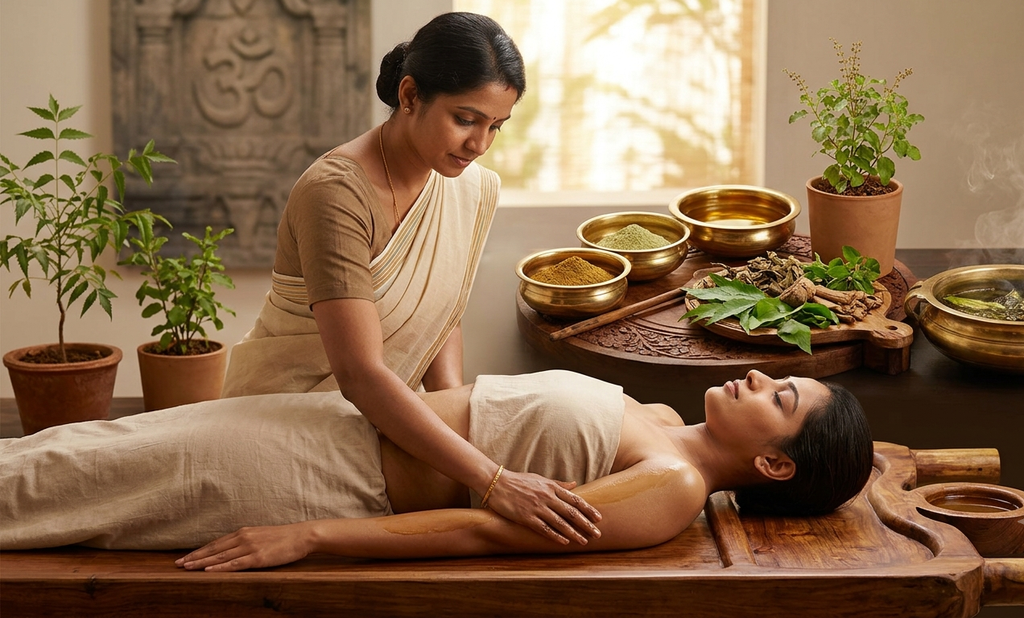
Abhyanga and Swedana: after snehapana, you receive a full-body herbal oil massage followed by gentle steam (swedana). Together they help toxins move further towards the digestive tract.
2. Pradhanakarma (The Main Procedure)
On the day of virechana, you receive a carefully selected herbal purgative on an empty stomach, under close medical supervision. Over the next few hours, you will have several bowel movements. Our doctors and nursing team monitor your comfort, hydration and vital signs throughout, and the process ends when the physician is satisfied with the cleansing.
3. Paschatkarma (Post-Procedure Care)
After virechana, your digestion is delicate, like a reset system. A diet plan called samsarjana krama reintroduces food step by step, starting from light rice gruel and moving gradually to normal meals. We explain this further below.
How Long Does Virechana Treatment Take?
The virechana treatment duration depends on your body and condition. As a general guide, the full programme often takes about one to two weeks, covering preparation, the virechana day and the diet that follows. Some people need a shorter or longer schedule. Your physician will give you a clear timeline after your consultation.
Preparation Steps Before Virechana
Good preparation makes the therapy smoother and more comfortable. These are the usual preparation steps:
Consult the physician first. A detailed assessment, along with relevant tests, confirms that virechana is safe for you.
Share your full medical history, including every medicine and supplement you take.
Eat light, warm and easily digestible food in the days before the programme, and avoid heavy, oily, fried or very spicy meals.
Stay hydrated with warm water as advised.
Plan your time. Arrange leave from work and choose a calm, stress-free period. Staying as an inpatient is often the most comfortable choice, as our 30-bed inpatient facility allows round-the-clock care.
Follow the snehapana schedule exactly as your doctor prescribes.
Recovery and Post-Care After Virechana
Most people feel lighter and a little tired after the procedure, and that is normal. Recovery is gentle but needs attention.
Rest for the first day or two, and avoid strenuous work, long travel and heavy exercise.
Follow samsarjana krama strictly. It usually runs for three to seven days, depending on how strongly the body responds to the therapy.
Sleep on time and avoid sleeping late, exposure to cold wind and emotional stress.
Avoid suppressing natural urges such as thirst, hunger or urination.
Return to routine slowly. Your appetite and strength will come back over a few days.
With the right post care, the benefits of virechana tend to last longer, and the digestive system settles into a healthier rhythm. Gentle practice from our Yoga and Naturopathy department can also support your recovery once your doctor allows it.
Virechana Diet Before and After Treatment
Diet is as important as the therapy itself.
Before virechana:
- Warm, light and freshly cooked meals
- Moong dal soups, rice and lightly spiced vegetables
- Plenty of warm water
- Avoid junk food, cold drinks, curd at night, fried food, alcohol and late dinners
After virechana (samsarjana krama):
- Start with rice gruel (peya), then thicker gruel (vilepi)
- Move to soft rice with thin dal, then regular meals
- Keep food warm, simple and mildly spiced
- Avoid cold, oily, spicy and heavy foods until your physician allows them
Our team prepares a personalised diet chart so you know exactly what to eat each day.
Virechana Side Effects and Precautions
When it is done under expert supervision, virechana is considered safe for suitable patients. Even so, some people may notice temporary effects such as mild weakness, fatigue, abdominal discomfort, dizziness or dehydration. This is why you should never attempt virechana at home or on your own with herbal laxatives.
Virechana may not be suitable for people who are very weak, pregnant, very young or elderly, or who have certain acute digestive or heart conditions. Your doctor will decide whether it is right for you. Please tell the physician immediately if you feel unwell at any point during the programme.
Virechana Treatment Cost in Bangalore
The virechana treatment cost depends on factors such as the number of preparation days, whether you choose inpatient or outpatient care, the medicines used and your doctor’s plan. Because every patient needs a different schedule, we do not quote one fixed price for everyone.
At Healing Earth, the physician explains the recommended treatments and their costs after your consultation, before treatment begins. If you would like to understand the virechana treatment cost in Bangalore for your situation, please contact our team. We also offer insurance facilities, but coverage depends on your policy, so it is best to confirm the details with us before admission.
Why Choose Healing Earth for Virechana Treatment in Bangalore?
Choosing the right virechana therapy hospital in Bangalore matters, because the therapy needs careful medical supervision. Here is what Healing Earth offers:
NABH-accredited Ayurveda hospital in HSR Layout, with Panchakarma included in its accredited scope of services
Experienced Ayurvedic doctors and trained therapists from our team of doctors, who assess every patient individually
Inpatient facilities and in-house lab support so your tests and treatment happen in one place
Authentic classical approach that blends traditional Panchakarma with a clear, personalised plan
Related care under one roof, including General and Internal Medicine, Skin and Hair Care and wellness packages for rejuvenation and relaxation
If you are looking for panchakarma treatment in Bangalore, our physicians can also guide you on other therapies such as Nasya and Shirodhara, depending on your needs.
Frequently Asked Questions
Is virechana painful?
No. Virechana is not painful. You may feel mild abdominal discomfort or tiredness during the process, and our team supports you throughout.
How is virechana different from a normal laxative?
A laxative only clears the bowel. Virechana is a complete programme with preparation, a personalised medicine, close supervision and a structured diet afterwards. It aims at balancing Pitta and clearing toxins, not just emptying the bowel.
Can I do virechana at home?
We do not recommend it. Without medical supervision, the therapy can cause dehydration and weakness. Please take virechana treatment only from a qualified Ayurvedic physician.
How often can virechana be done?
Many people do it once a year, often in the autumn season, for preventive care. For a health condition, your physician decides the frequency.
Can I continue my regular medicines?
Please tell your physician about every medicine you take. The doctor will guide you on how to continue them alongside Ayurvedic treatment.
Is virechana treatment available in HSR Layout?
Yes. Healing Earth offers virechana treatment in HSR Layout, Bengaluru, under the guidance of experienced Ayurvedic physicians.
Book Your Virechana Consultation at Healing Earth
Virechana is a powerful therapy, and it works best when it is planned around you. Whether you want to relieve a long-standing Pitta-related problem or simply reset your health, our doctors will first understand your concerns and then recommend the right path.
Book a consultation for virechana treatment in Bangalore today.
Healing Earth Multispeciality Ayurveda Hospital 149 HSR, Outer Ring Rd, Sector 5, 1st Block Koramangala, HSR Layout 5th Sector, Bengaluru, Karnataka 560102
Phone: +91 78999 03943
Email: info@healingearth.co.in
Treatment outcomes vary by individual. This article is for general information and does not replace medical advice. Please consult our physicians for personalised guidance.