
Jyothishmati
Home
Jyothishmati
Jyothishmati
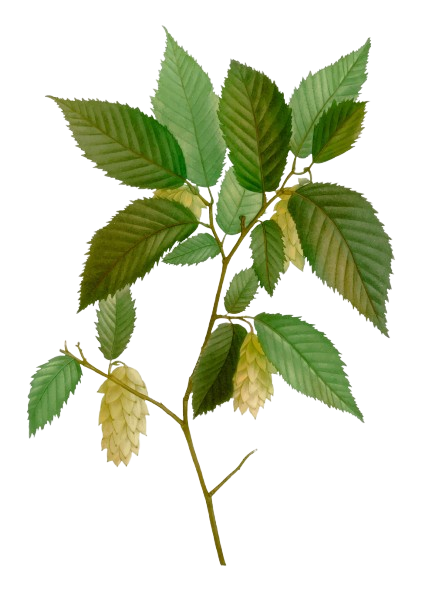
BOTANICAL NAME
CELASTRUS PANICULATUS
FAMILY
CELASTRACEAE
SANSKRIT NAME
TEJASVINI, SUPINGALA, KATABHI
HINDI
MALKANGANI
ENGLISH
STAFF TREE
KANNADA
-
TAMIL
VALULAVAI
MALAYALAM
POLULAVAM
MARATHI
KANGANI
TELUGU
TEEGAPALLERU
DISTRIBUTION

TROPICAL ANS SUBTROPICAL HIMALAYAS, BIHAR AND SOUTH INDIA
PARTS USED
ROOT BARK, STEM, SEEDS
DOSE
Choorna 1-2 g, oil: 5-15 drops
CHEMICAL CONSTITUENTS
CELAPAGINE, PRISTIMERIN, CELASTROL CHEMICAL CONSTITUENTS AYURVEDIC
AYURVEDIC PROPERTIES
QUALITY (GUNA)
Laghu, Ruksha, Tikshna
TASTE (RASA)
Tikta, Madhura, Katu
METABOLISM (VIPAKA)
Katu
POTENCY (VIRYA)
Ushna
IMPACT (PRABHAVA)
Chedana
PHARMACOLOGICAL ACTION
- It is a powerful brain tonic.
- Respiratory problems, expectorant: reduces productive cough and respiratory disorders.
- It helps in digestive disorders and is an anti tubercular.
THERAPEUTIC USES
- The decoction of jyothismathi along with brahmi helps in boosting up the memory and acts as a brain tonic.
- The oil of jyothishmati is applied over joints in order to relieve pain and swelling.
- The poultice of the seed is applied topically to cure certain sores, ulcers and skin problems like scabies.
- Nasya is done with jyothishmati oil in order to improve brain functions.
- Jyothishmati kashaya is consumed to increase the renal circulation.
- Insomnia: 5-8 drops of its oil is mixed with a glass of milk in order to improve the quality of sleep.
SOME OF THE COMMON FORMULATIONS
- Sitopaladi churna
- Eladi Rasayana
- Anu taila
- Bala taila
- Bhaskara lavana churna
- Chandraprabha vati
- Brahma rasayana