
Kutaja
Home
Kutaja
Kutaja
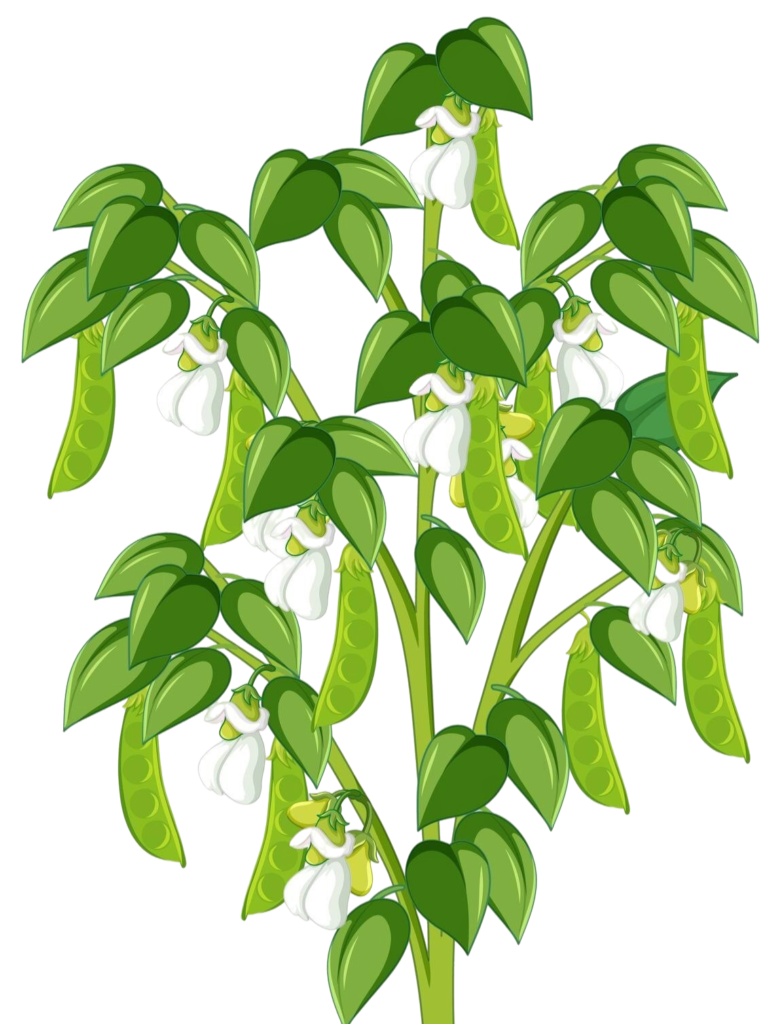
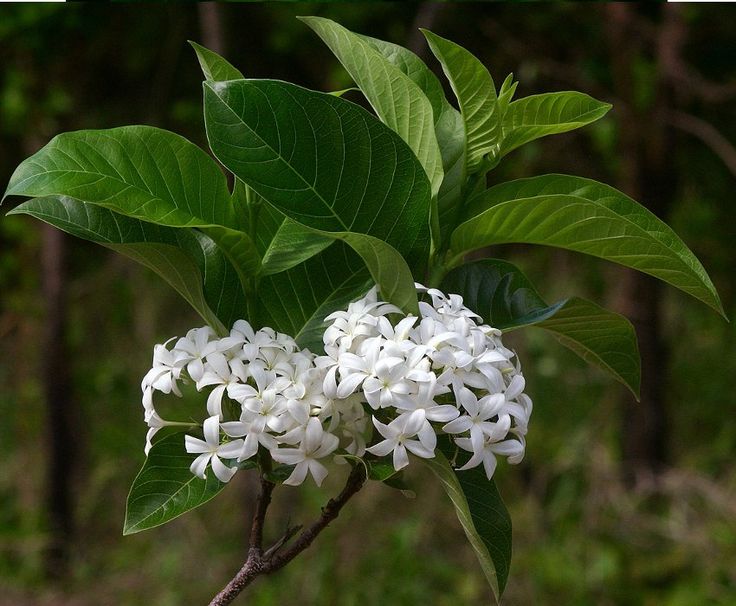
BOTANICAL NAME
Holarrhena antidycentrica
FAMILY
Apocynaceae
SANSKRIT NAME
Kalinga, Girimallika
ENGLISH
Kurchi
HINDI
Kuda
KANNADA
Korachi
MALAYALAM
Kodagapala
TELUGU
Kodisepala
TAMIL
Veppalai
MARATHI
Kuda
DISTRIBUTION
Common in tropical parts of India and in sub Himalayan tract.
PARTS USED
Bark, leaves, seeds, flowers
DOSE
Churna:3-6gm, kashaya:50-100ml
CHEMICAL CONSTITUENTS
Conessidine, connessimine, conkurchine, holarrhenine, holarrhimine, holadysamine etc
AYURVEDIC PROPERTIES
QUALITY (GUNA)
Laghu, Ruksha
TASTE (RASA)
Tikta, Kashaya
METABOLISM (VIPAKA)
Katu
POTENCY (VIRYA)
Sita
IMPACT (PRABHAVA)
Deepana, grahi
PHARMACOLOGICAL ACTION
- Antipyretic: helps in reducing fever and fever due to infections.
- Anti-inflammatory:reduces infalammations of the skin by improving the immunity.
- Antibacterial, antifungal: reduces skin problems.
- Anthelmentic: removes intestinal worms.
- Its grahi property helps in arresting diarrhea and maintains the hydration of the body.
THERAPEUTIC USES
- Pithatisara: seeds and bark of kutaja are pounded with honey and ativisha is added to it, this combination is taken with rice water.
- Kushta: paste of kutaja is applied externally.
- Jvara: decoction prepared out of kutaja bark is taken along with rice water.
- Shonitarsha: bark powder is given with ghee.
- Bark decoction is made and rock salt is added and can be applied in inflamed joints.
SOME OF THE COMMON FORMULATIONS
- Kutajarishta
- Kutajavalehya
- Kutaja Ghana vati etc