
Sariva
Home
Sariva
Sariva
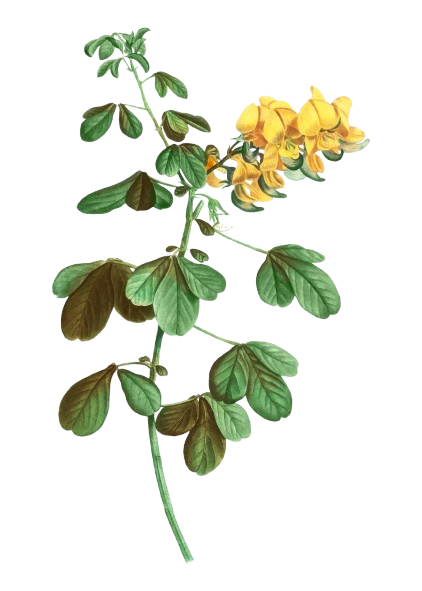
BOTANICAL NAME
Hemedismus indicus
FAMILY
Asclepidaceae
SANSKRIT NAME
Ananta, anantamula, asphota, syama
HINDI
Anantamul
ENGLISH
Indian sarsaparilla
KANNADA
Sogade
TAMIL
Nannaari
MALAYALAM
Narunint
MARATHI
Upalsari
TELUGU
Sugandhiphala
DISTRIBUTION

Distributed in indis, srilanka and south east asia. In india seen in north india, Sikkim and peninsular India.
PARTS USED
Root
DOSE
Infusion:50-100ml, paste:5-10gm, powder:3-5gm
CHEMICAL CONSTITUENTS
Hyperoside, rutin, desinine, hexatriacontane, ß- sitosterole, hemidesminine etc
AYURVEDIC PROPERTIES
QUALITY (GUNA)
Guru, snigdha
TASTE (RASA)
Madhura, Tikta
METABOLISM (VIPAKA)
Madhura
POTENCY (VIRYA)
Sita
IMPACT (PRABHAVA)
Grahi
PHARMACOLOGICAL ACTION
- Anti fungal, anti bacterial: helps in certain skin disorders by purifying the blood.
- anti pyretic antiviral: reduces fever.
- anti diabetic: given in diabetes.
- Anti spasmodic: helps in reducing abdominal pains etc.
THERAPEUTIC USES
Wounds: wash wounds with its decoction.
In piles sariva roots are processed with milk and is turned to curd and is given internally.
Diarrhea: root powder mixed with buttermilk is taken internally.
Boil ghee with sariva roots and this ghee is taken to reduce body heat.
Eye inflammations are cured by washing with its decoction.
SOME OF THE COMMON FORMULATIONS
- Saribadyasava
- Mahatiktaka ghrita
- Pinda taila
- Pippalyadi ghrita
- Amruta ghrita etc